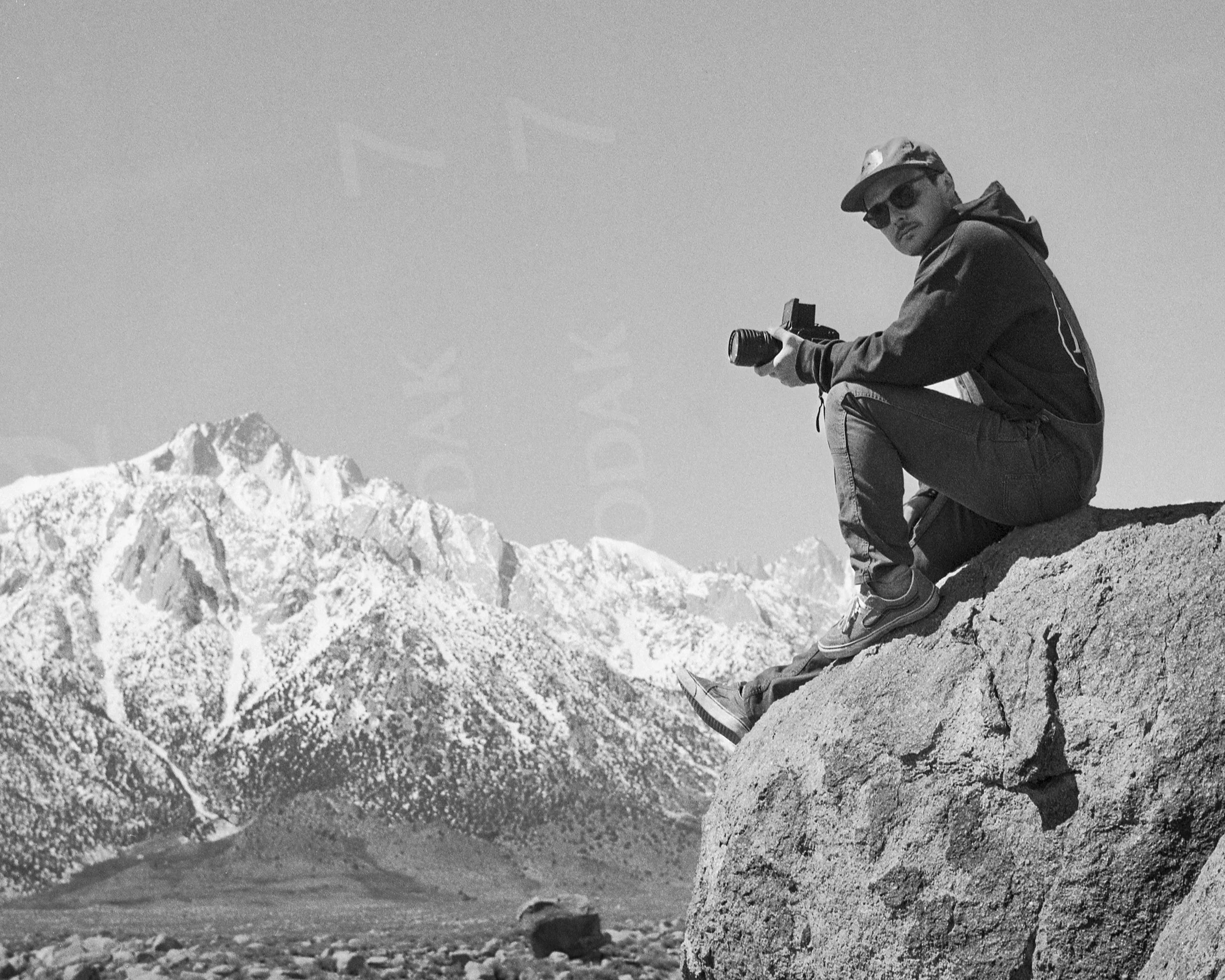
Please introduce yourself and tell us a little about who you are.
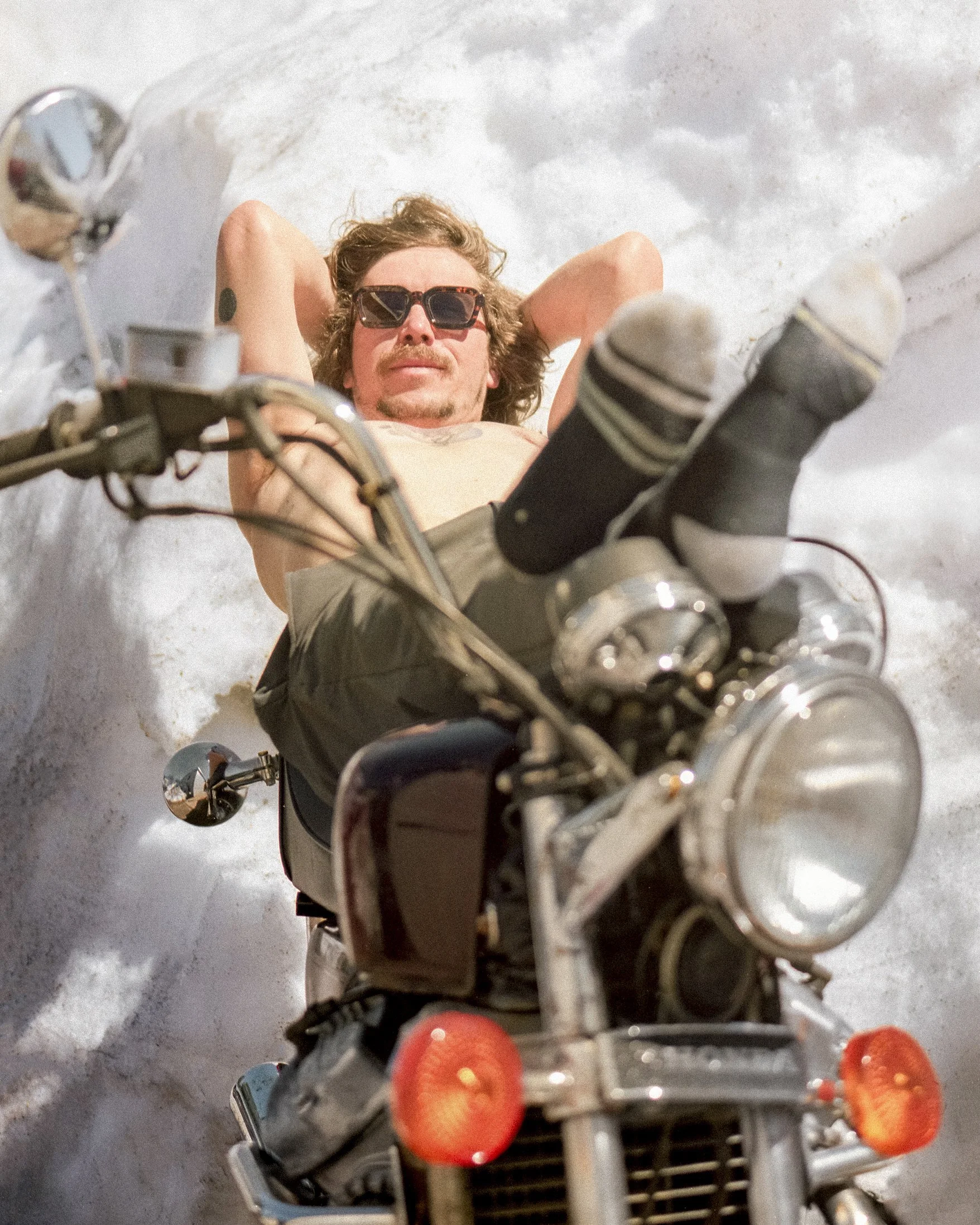
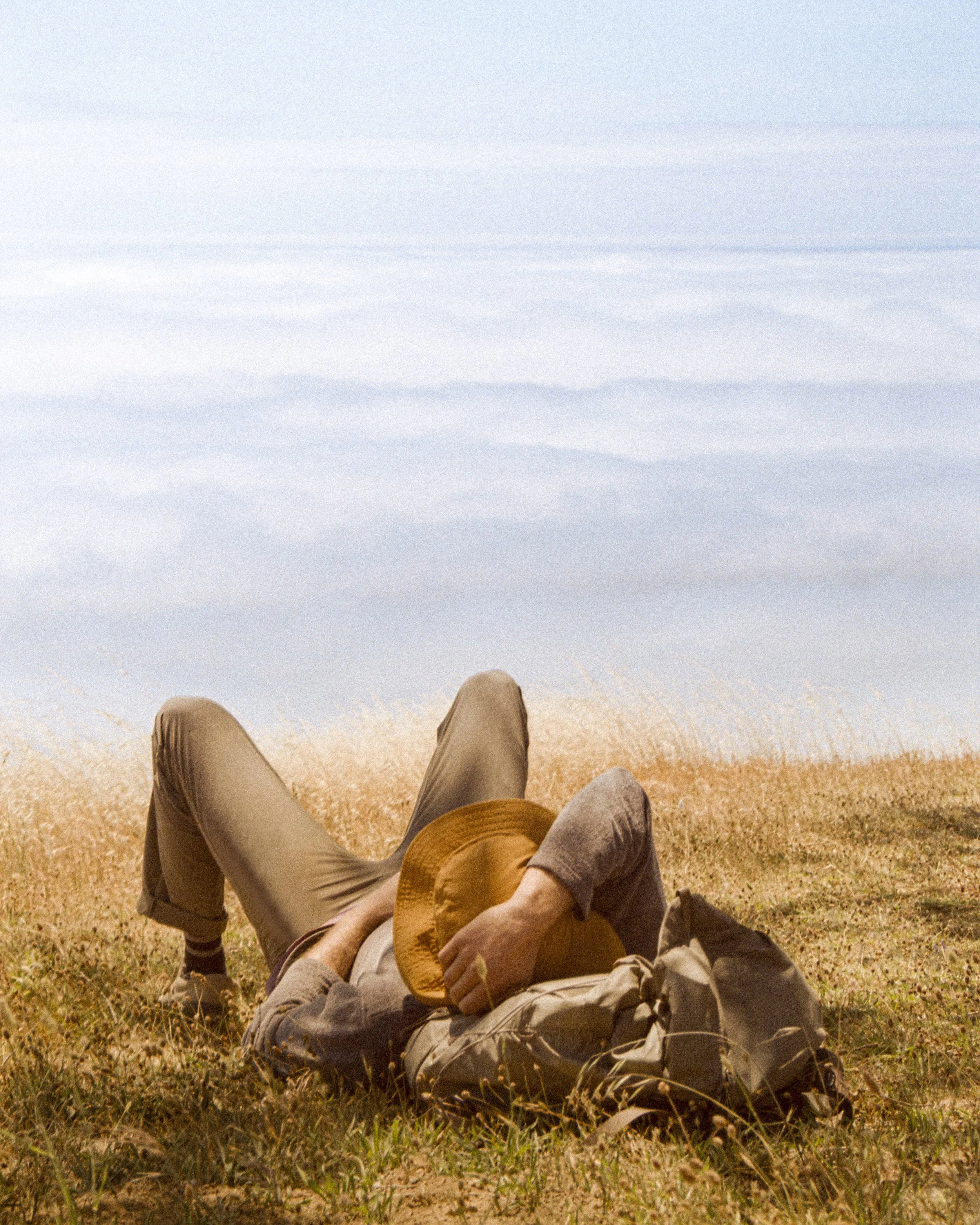
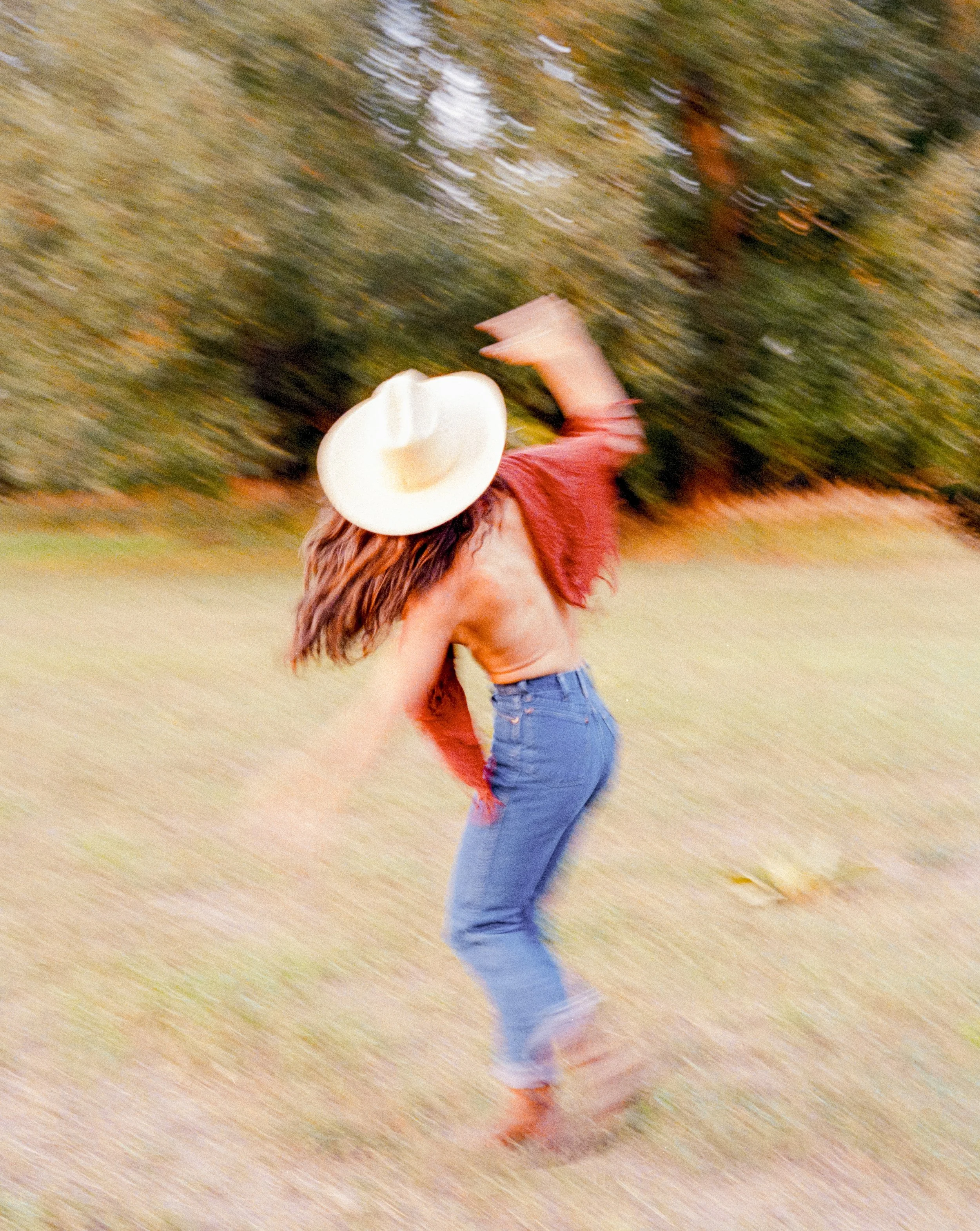
My name is Erik Poppen, a Colorado-born photographer working almost entirely analog. If you’re familiar with my work, I would say my personality and interests are accurately represented by my portfolio. If you're not familiar; my work is driven by a simple conviction: I thrive in environments where I feel most alive, and create imagery illustrating that feeling. At its core, my photography is an effort to provoke dialogue about our relationship with the natural world, shining a light on our wild spirit through colorfully energetic imagery that refuses any bystandership to life.
Adventurous, curious, and zealous by nature, I employ those same traits in all of my photographic endeavors. My production philosophy centers around creating more than consuming, prioritizing feeling over finish, and leaning into evocation, play, and exploration. In post-production, I allow the work to reflect how an environment made me feel, favoring an emotionally resonant interpretation over a strictly documentary approach.That said, I hold to a clear set of guidelines that comfortably state the authenticity of my work from pre-production to a realized finished product.
Life away from the lens looks a lot like life behind it, fast, colorful, and full. You'll find me tearing down the street on a bicycle or skateboard, gathered around good food with close friends, lost in a painting or page, or somewhere in the thick of a grand adventure.
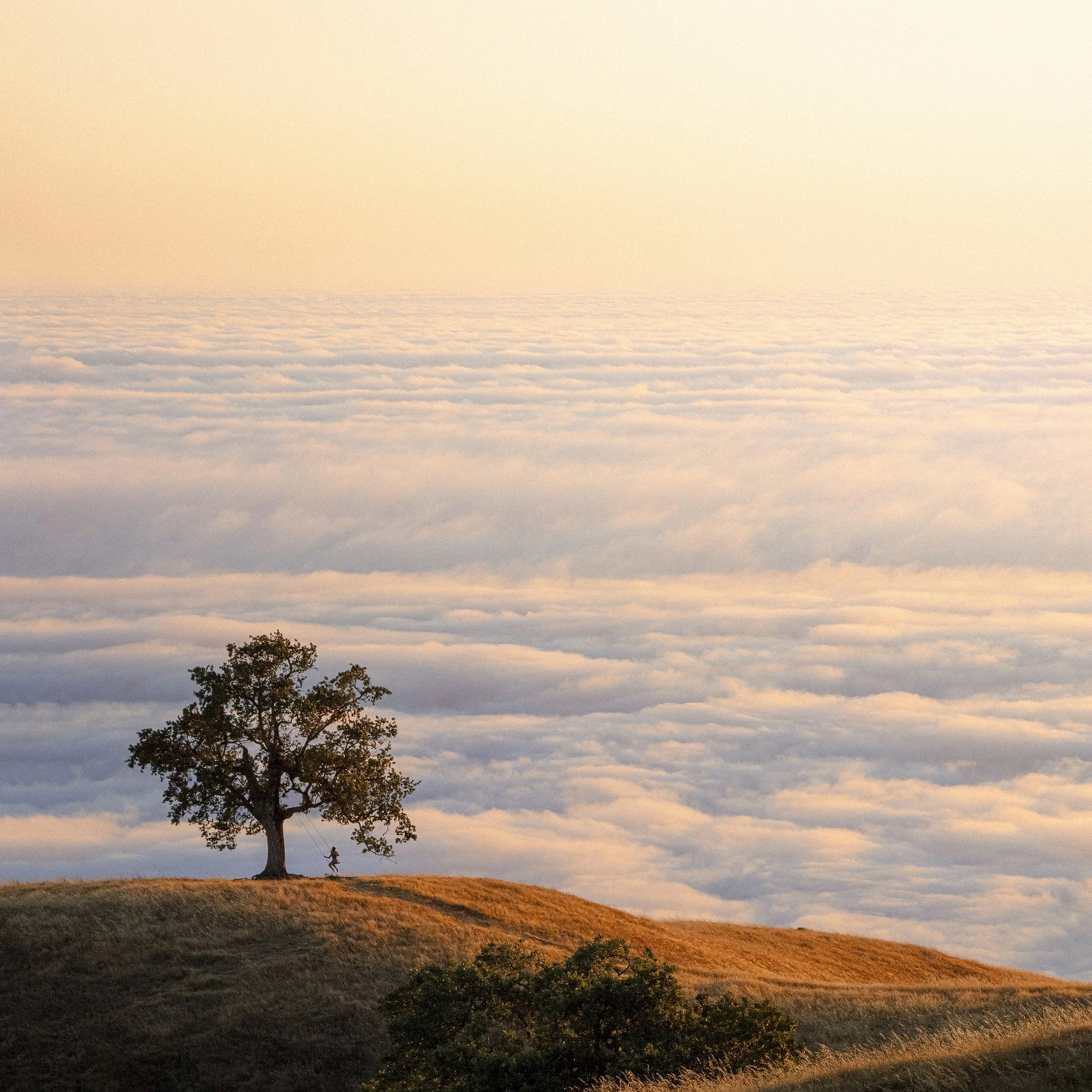
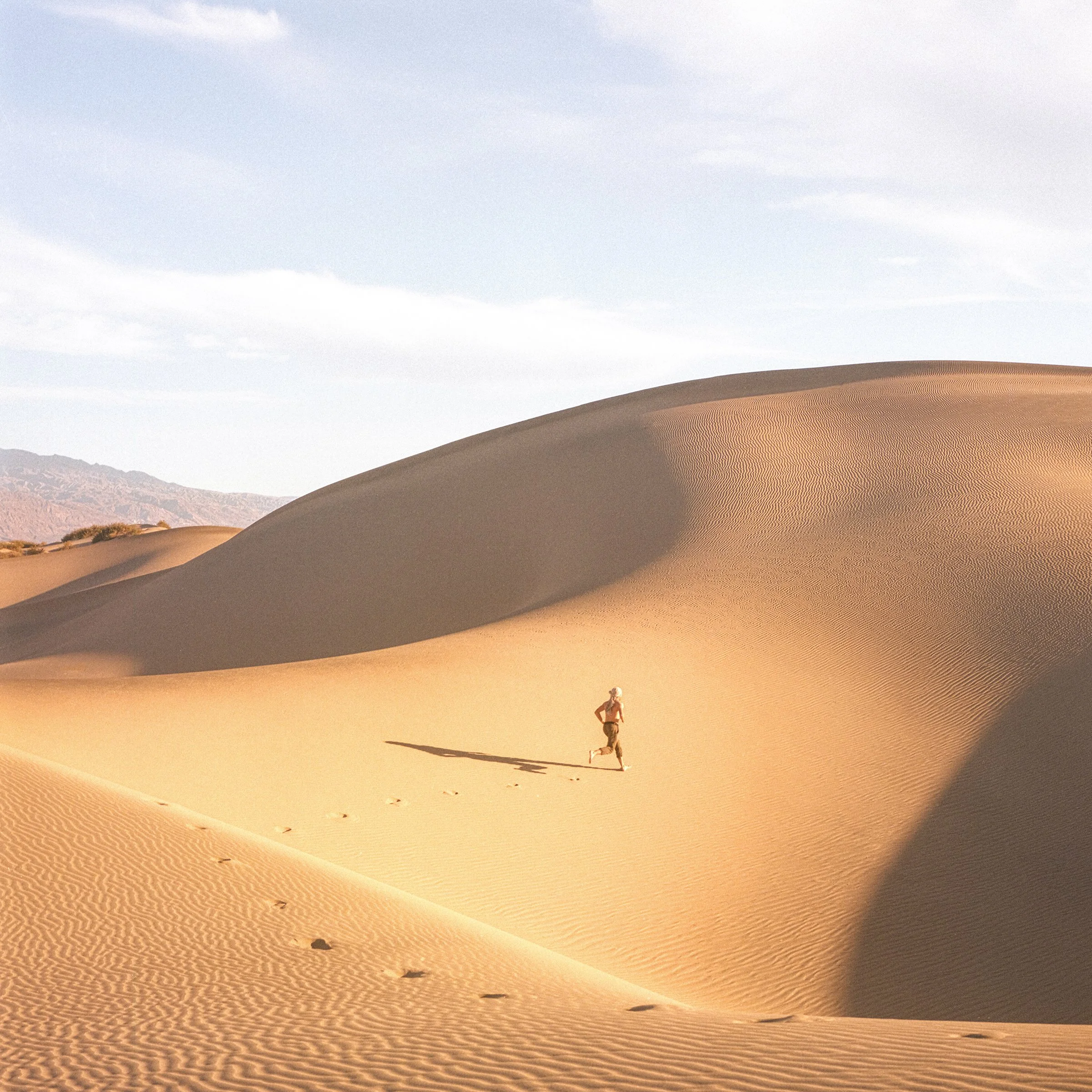
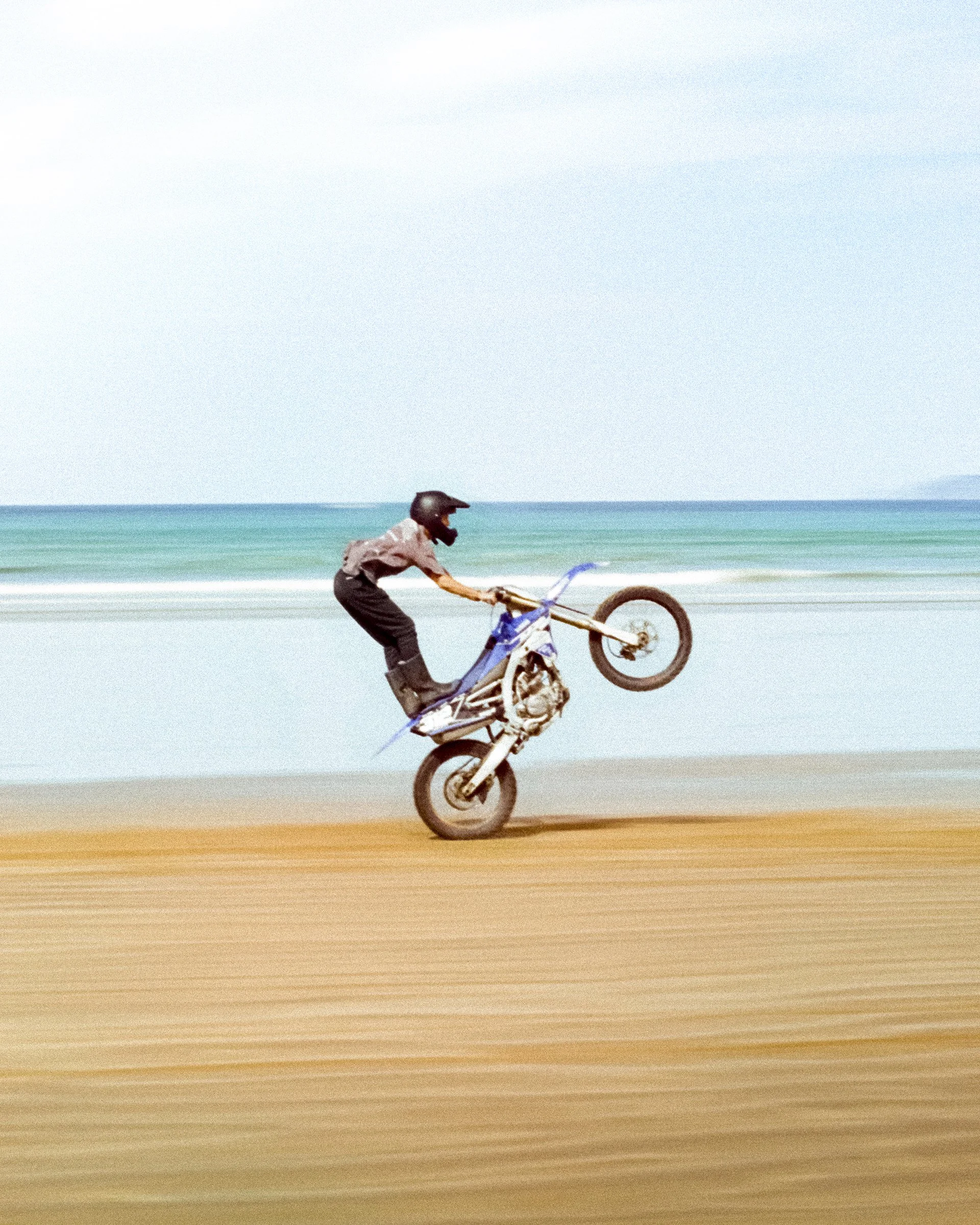
Can you tell us how you first became passionate about photography and what drew you to it originally?
My creative inclination has been with me as long as I can remember. My first film camera found its way into my hands around age 14, though it wasn't until a few years later that my passion for the craft became more defined. Shortly after high school, I threw caution to the wind and set out on an open-ended solo journey through Southeast Asia. No phone, no plan, no timeline: just myself, a Lonely Planet book, a backpack full of clothes, and a camera. Over the following 11 months and 9 countries, something irreversible happened. I fell completely in love with photographing people to tell their stories, landscapes to share their energy, and cultures to better understand their identity. All of it, ultimately, in pursuit of understanding my own identity and where I belonged in this wide, remarkable world.
What was the moment you realized photography could be more than a hobby, maybe a lifelong pursuit or career?
Returning home from Asia, it didn't take long to realize that photography wasn't just a passion, it was a calling. I was accepted to the Savannah College of Art and Design, where I studied commercial photography, though my personal work consistently leaned toward social documentary and portraiture projects. I graduated with a major in photography and minors in art history and printmaking, then made the leap from Savannah, Georgia to San Francisco, California, where I launched a career in architectural and interior photography. It was a world apart from my personal work, but I was captivated by its demands of technical precision, and a mastery of light and color science. Over time, I found my way back to my roots, leaning further into portraiture and outdoor lifestyle work, which feels far more aligned with my personal interests. Through every chapter - the raw social documentary work, the commercial architectural projects, and the open landscapes - one truth has remained constant: a creative career in photography is where my heart and soul feel most exercised and alive!
How did your upbringing in Northern Colorado shape your creative perspective and the kinds of stories you want to tell through your photos?
Growing up in northern Colorado left a permanent mark on both my lifestyle and my creative output. The outdoors wasn't a destination, it was simply where life happened, and spending the bulk of my childhood and adolescence in that landscape shaped my sense of adventure in ways I'm still discovering. My mother was perhaps my single greatest individual creative influence. She instilled in me a deep belief in freedom of expression, the importance of both honesty and play in art, and an insatiable drive to explore - both the world around me and the one within. In one way or another, her fingerprints are on everything I make.
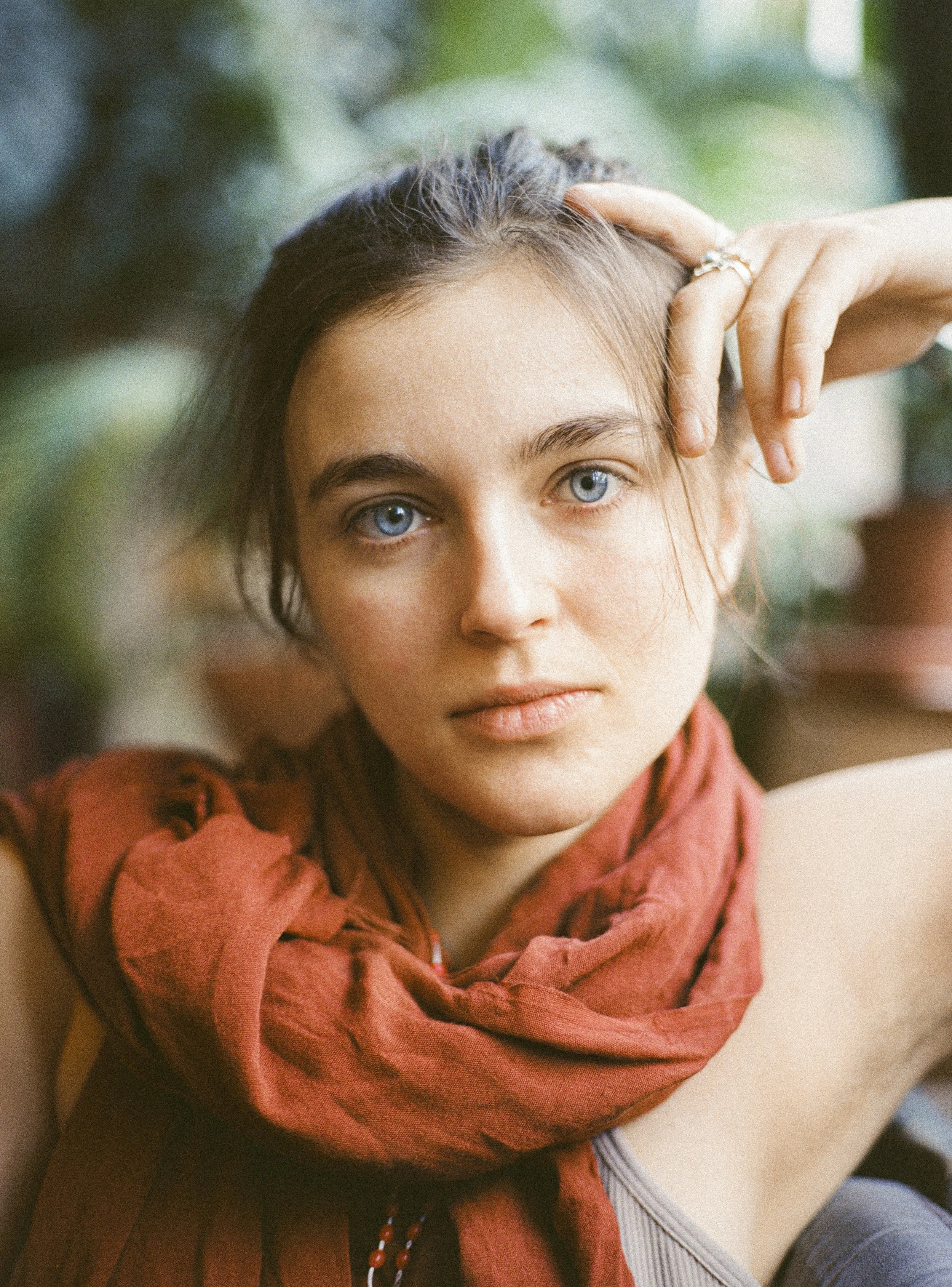
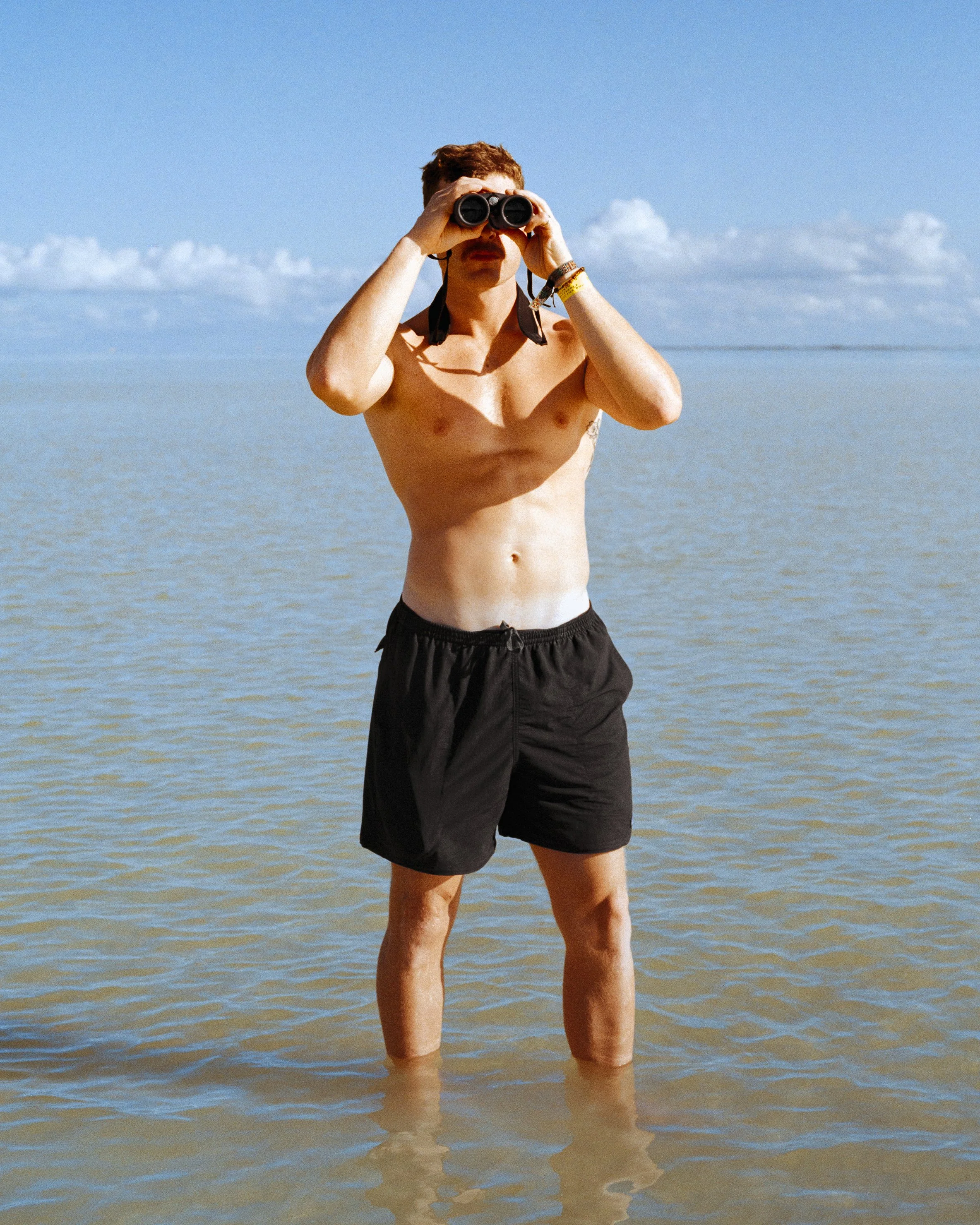
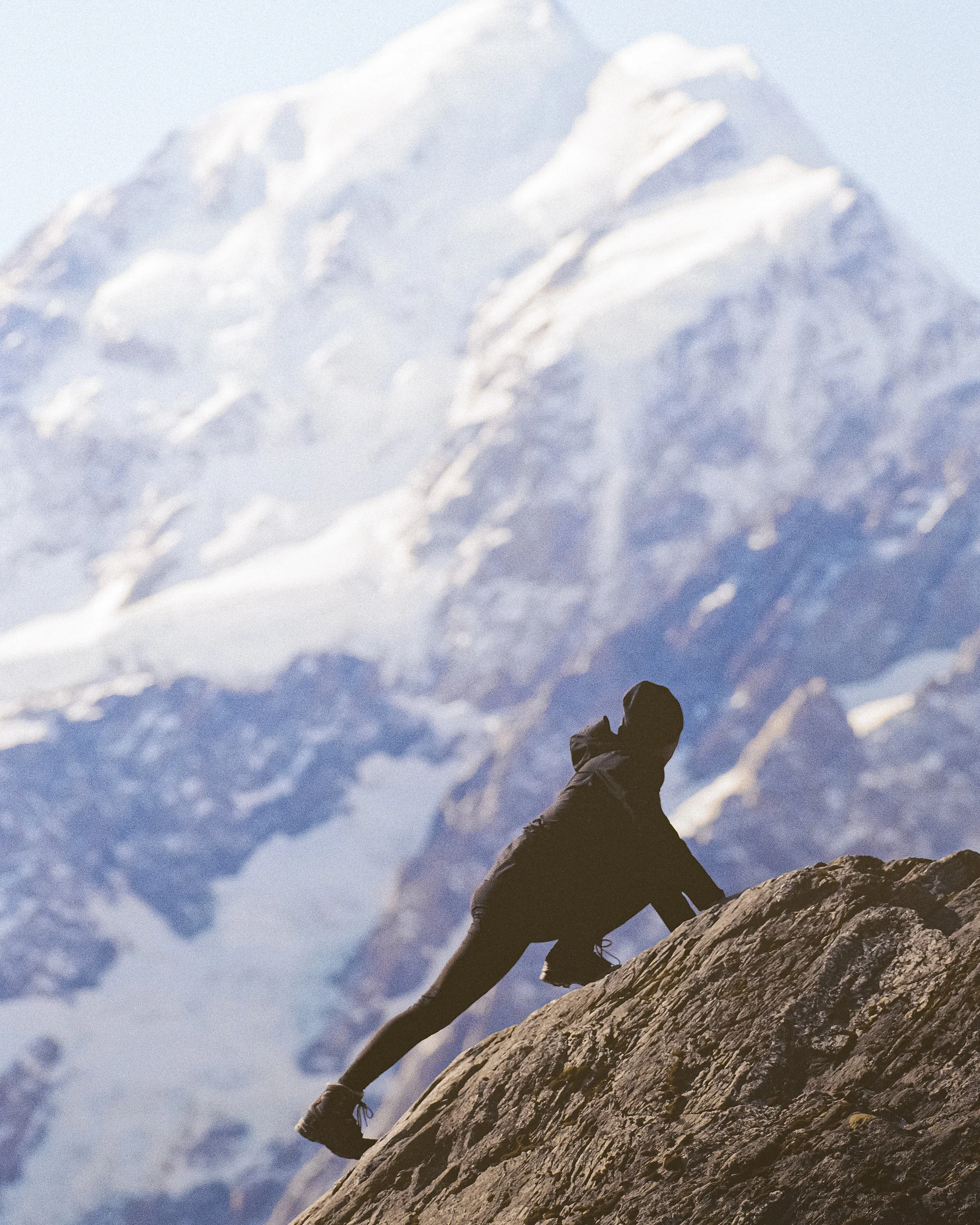
You recently returned from a long trip through Europe, touching on a couple other continents, what originally inspired you to commit to a year journey across these places and did any specific place stand out that you’d like to return to?
In December of 2023, my close friend Connor and I bought one-way tickets to New Zealand and didn't look back. What followed was the better part of two and a half years in constant motion, winding through New Zealand and Australia, out into the Pacific Islands, through Vietnam and Japan, back to Colorado for a winter season to breathe and recharge, and then onward again across Europe, the UAE, and North Africa. It was sprawling, unpredictable, and exactly what it needed to be.
The drive behind it all was something I felt more than I could articulate at the time, a deep restlessness, and a sense that I had grown stagnant in ways I wasn't willing to accept. I've always operated with a pretty all-or-nothing approach to life, and when something inside me demanded transformation, I responded with action. Travel has always been my most honest form of self-inquiry.
Of every place those two+ years carried me, Fiordland on New Zealand's South Island stands in a category of its own. There's something almost impossible to describe about that landscape with an ecological richness and a dream-like quality that makes you feel simultaneously humbled and wildly alive. It wasn't just the landscape, but the people drawn to Fiordland. Visitors and locals alike carry a kindred spirit and a shared reverence for wild places. I will absolutely return one day.
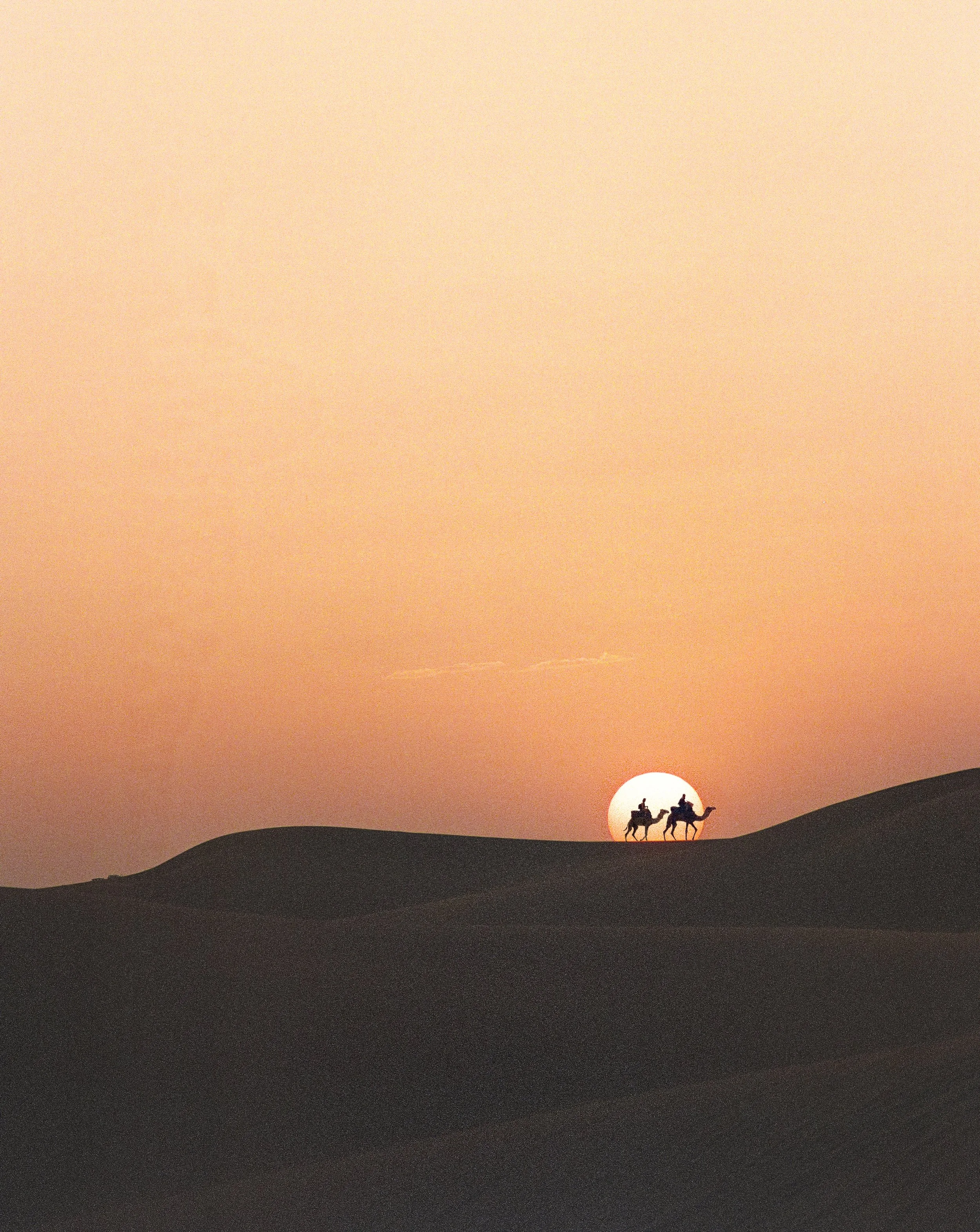
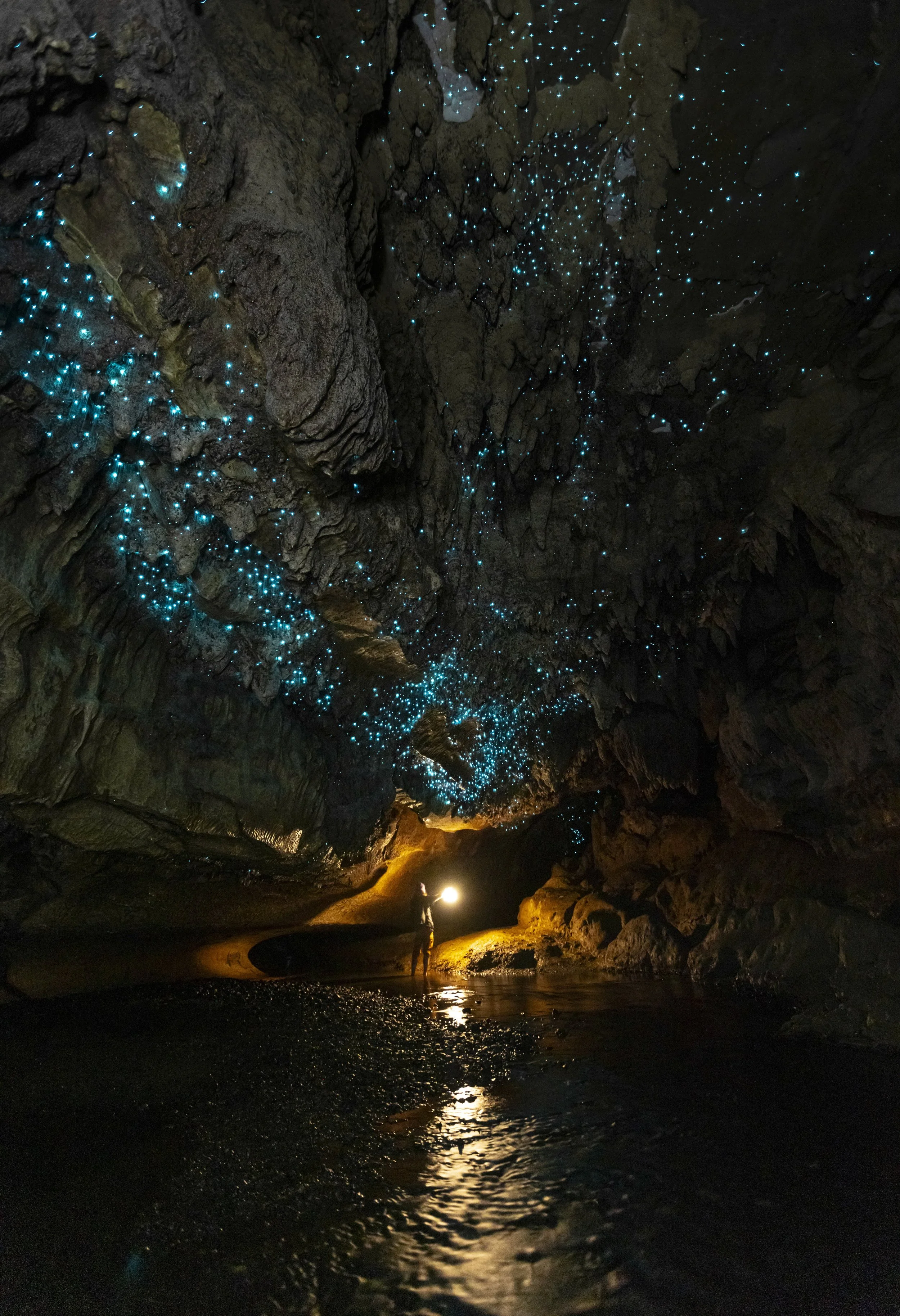
Was there a moment during the trip when it truly hit you how long you’d been traveling? What did that feel like?
In nearly every extended travel experience I've had, there comes a transition point around the eight-week mark where a quiet but unmistakable shift happens. The excitement and novelty begin to settle into something more constant. That transition to nomadic normalcy, as grounding as it can eventually feel, is often one of the more unsettling passages to move through. It's in that window that I've found myself missing home the most, the comfort of familiar spaces, the steadiness of routine, the warmth of close friends and family. There's a particular kind of loneliness that long-term travel serves up that no landscape, however breathtaking, can fully answer. On the other end of the journey, comes a different kind of turning point, subtler, but just as honest. The moment when exciting things stop feeling quite so exciting. When the growth that once felt so explosive begins to plateau. When life on the road, for all its gifts, starts to feel like it has given all it needed to give. Like a natural exhale and the trip completing itself on its own terms. That's usually when I know it's time to return home.
Which country or city surprised you the most, and why?
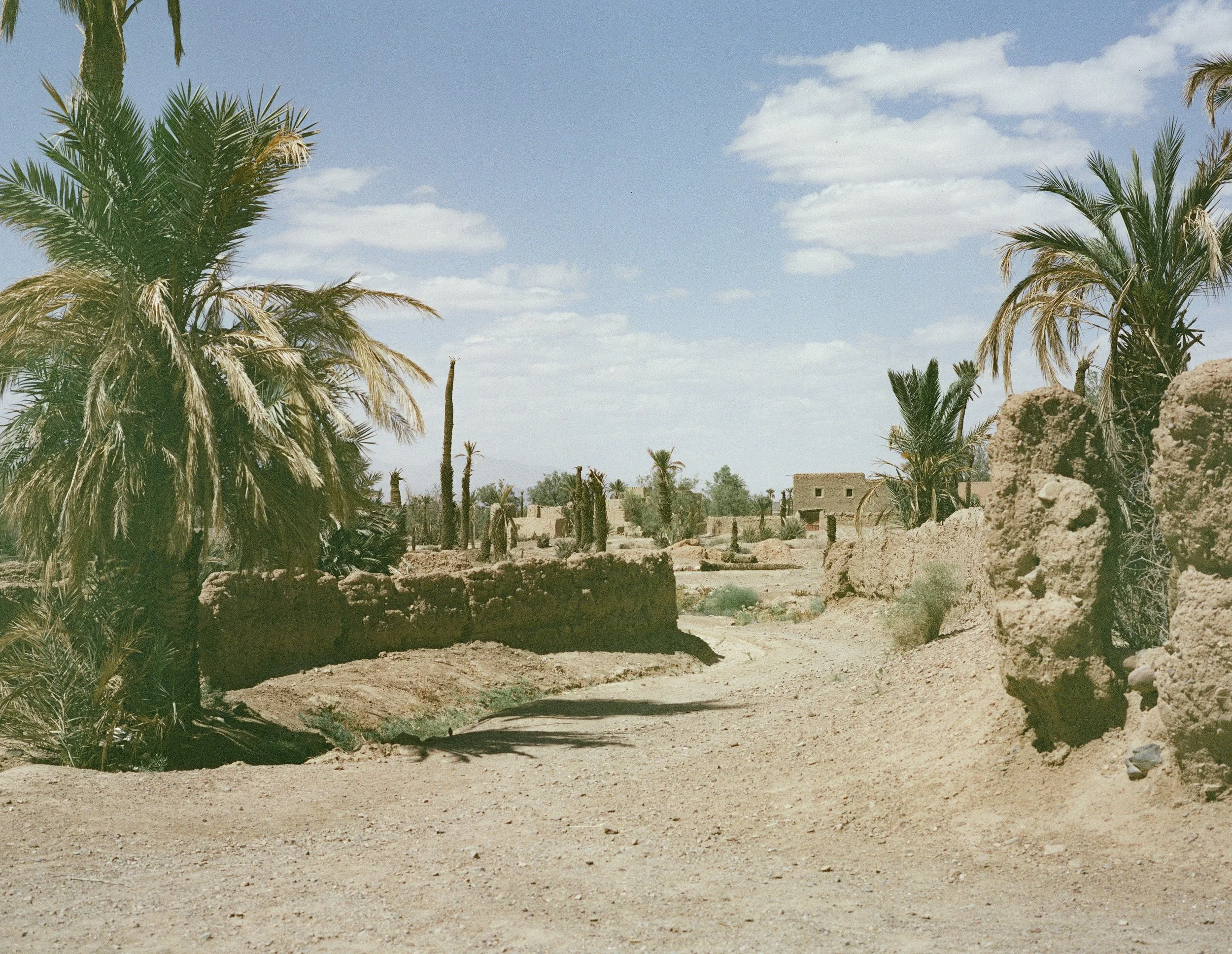
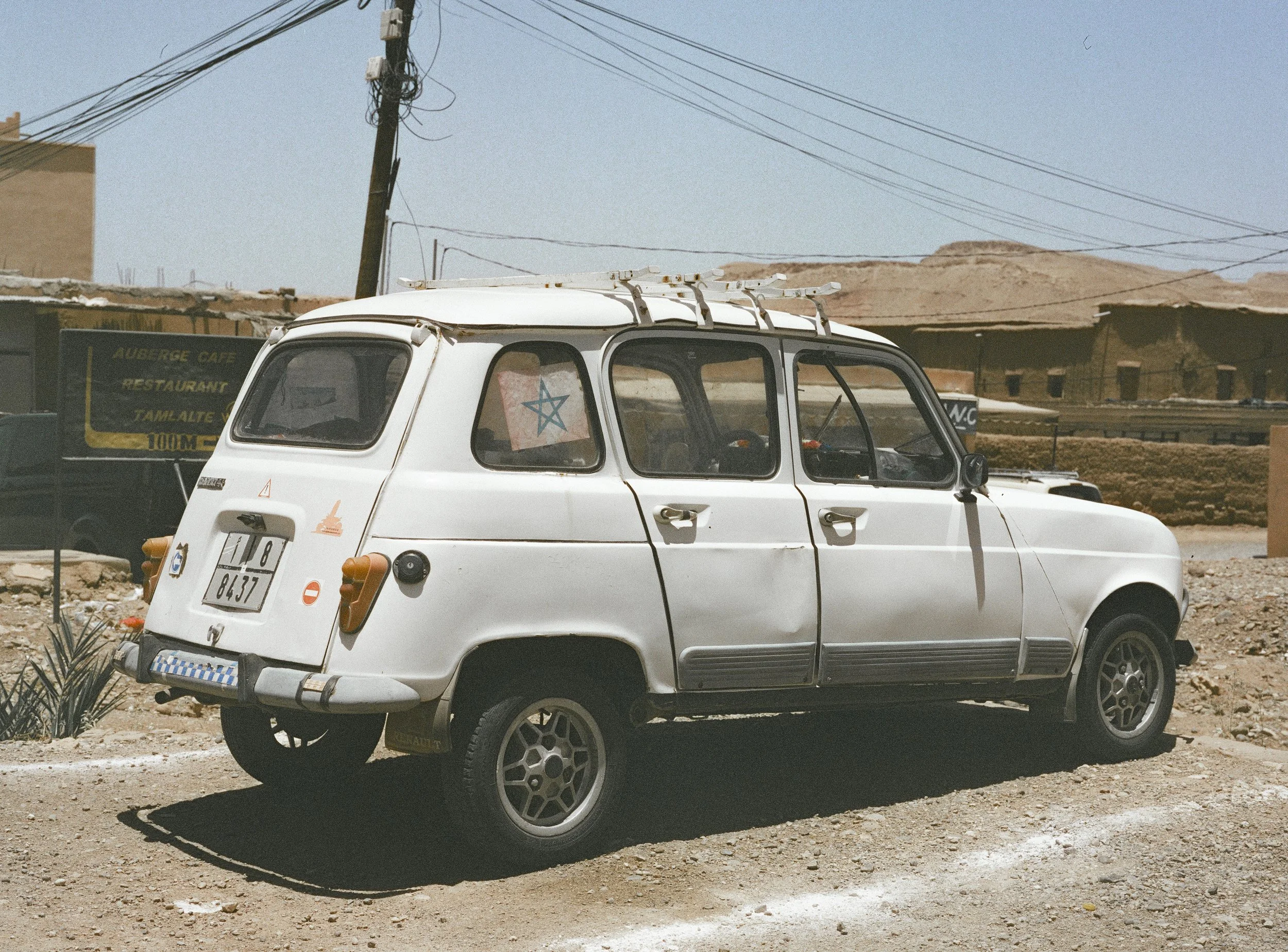
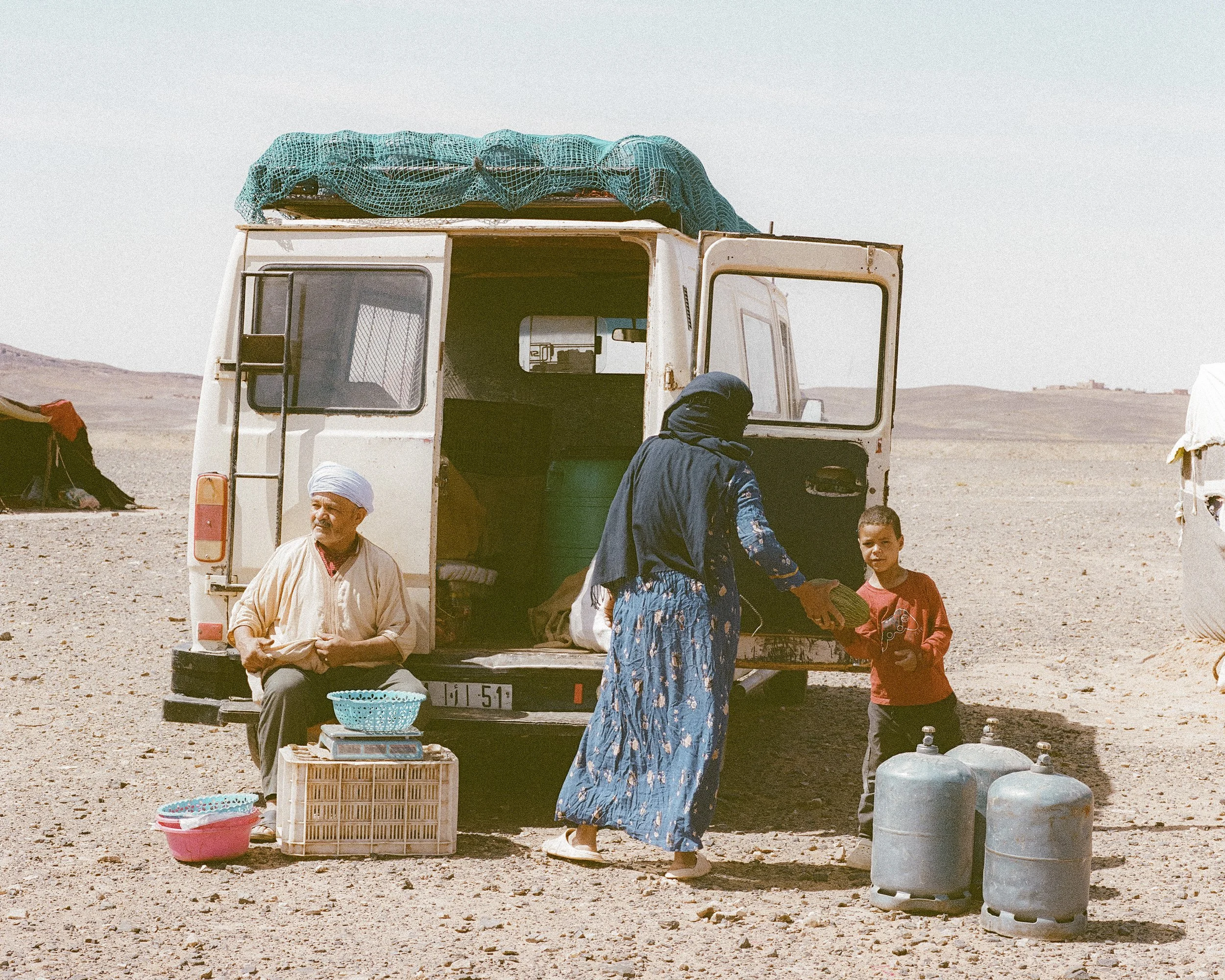
Of everywhere the past couple of years carried me, some of the rural towns of Morocco stand out with a particular intensity. After spending so long moving through Europe, where, despite each country's individuality, a certain cultural familiarity eventually sets in. Crossing the Strait of Gibraltar into Africa felt like stepping through a completely different door. The continent announces itself immediately. But it wasn't until I pushed beyond the cities and into the more rural communities that Morocco truly revealed itself. Everything changed, the landscape, the food, the customs, the pace, the sounds, the social fabric. Not just different from Europe, but different from anywhere I had ever been. There's a rawness and an authenticity to rural Moroccan life that is almost impossible to illustrate here. It challenged my senses, my assumptions, and my comfort in equal measure and that, more than any postcard view or well-worn travel highlight, is exactly what I go looking for.
What place had your favourite food on the trip?
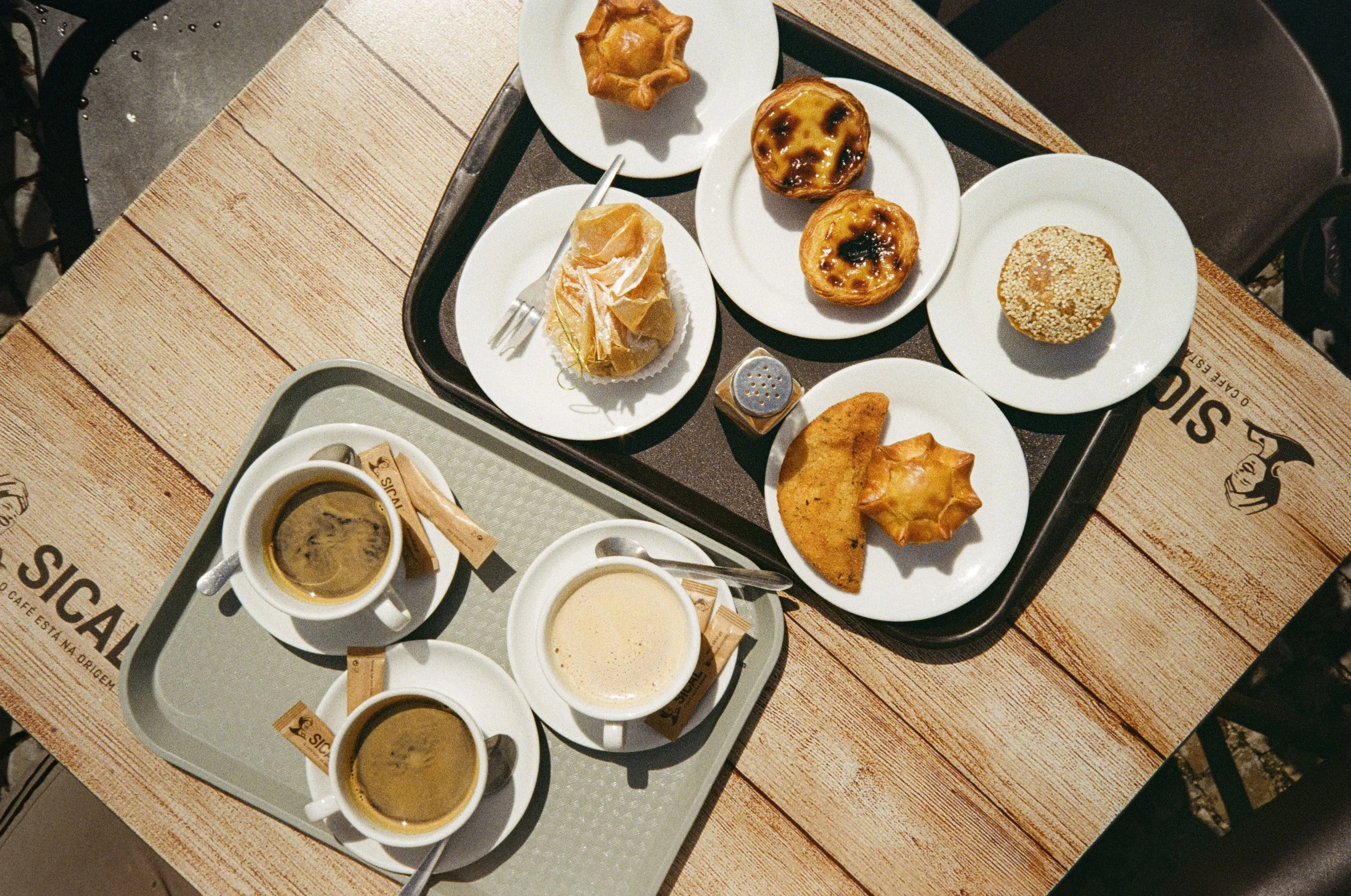
Of all the questions here, this one might be the hardest. After visiting 24 countries over the past couple of years, narrowing a favorite food culture down to even five feels almost criminal. But if I had to: Vietnam for its sheer depth of flavor, Italy because pasta needs no further defense, Mexico for the coffee, tacos, and the slow-cooked magic of cochinita pibil, Portugal for its fresh seafood and the perfection of a pastel de nata, and Japan - well, Japan for everything, full stop. If I had to choose just one, Vietnam would be it. There is something about Southeast Asian cuisine that occupies its own universe entirely. I fell in love with it on my first trip through the region years ago, and two-plus years of eating my way across the world did nothing but confirm it.
Now that you’re home, what parts of your travel lifestyle do you want to keep in your everyday life?
Love this question! So much of what travel has given me isn't something I'm willing to leave at the airport. The challenge now, and it's a real one, is navigating the transition. This comes with reducing certain expectations, allowing myself to slow down and really process the experience, and identifying exactly what parts of the travel lifestyle and cultural integration I do and don’t want to carry forward. The most important thing I want to keep is the openness. On the road, you have no choice but to meet the world as it comes - flexible, present, and willing. At home, that posture is a choice, and I want to keep choosing it. The same goes for the discomfort. Travel constantly placed me in situations where I had to figure it out, rely solely on myself, and sit with uncertainty. I don't want to stop living in that register just because my surroundings became familiar again.
I also want to hold onto the quality of human connection that travel afforded me. When you've experienced the kind of camaraderie that forms between people with entirely different backgrounds, cultures, and languages finding genuine common ground it raises the bar for how present and intentional you are with the people in your everyday life.
And perhaps most importantly, I want to keep the relationship with myself that travel forced me to build. Being alone and unknown in a place 7,000 miles from home strips away every outside expectation and hands back to you a new rawness of authenticity. That level of self-trust, self-acceptance, and self-awareness isn't something I want to let soften now that I'm home. The scenery changed, but the work continues.
What’s next for you?
Coming home to Colorado has been a meaningful chapter in its own right. Since returning, I've had the chance to travel around the States a good bit, collaborate with some incredible clients including Mastercard, VSCO, and AloTerra, and finally do the slow, satisfying work of archiving nearly 350 rolls of film shot over the past two years. That last part alone has felt like a ritual - a subtle way of honoring everything my experience has given me, frame by frame. If the past couple of years showed me anything, it's that I know myself better now than I ever have. I've spent a lot of time since returning, both reflecting and looking forward, identifying the qualities in a city, a community, and a culture that don't just suit me, but actively fuel me. Colorado will always be home in the deepest sense of the word. But if I'm being honest with myself, I can feel the next chapter starting to take shape. Life on the West Coast is calling, and I find myself less and less inclined to ignore it.