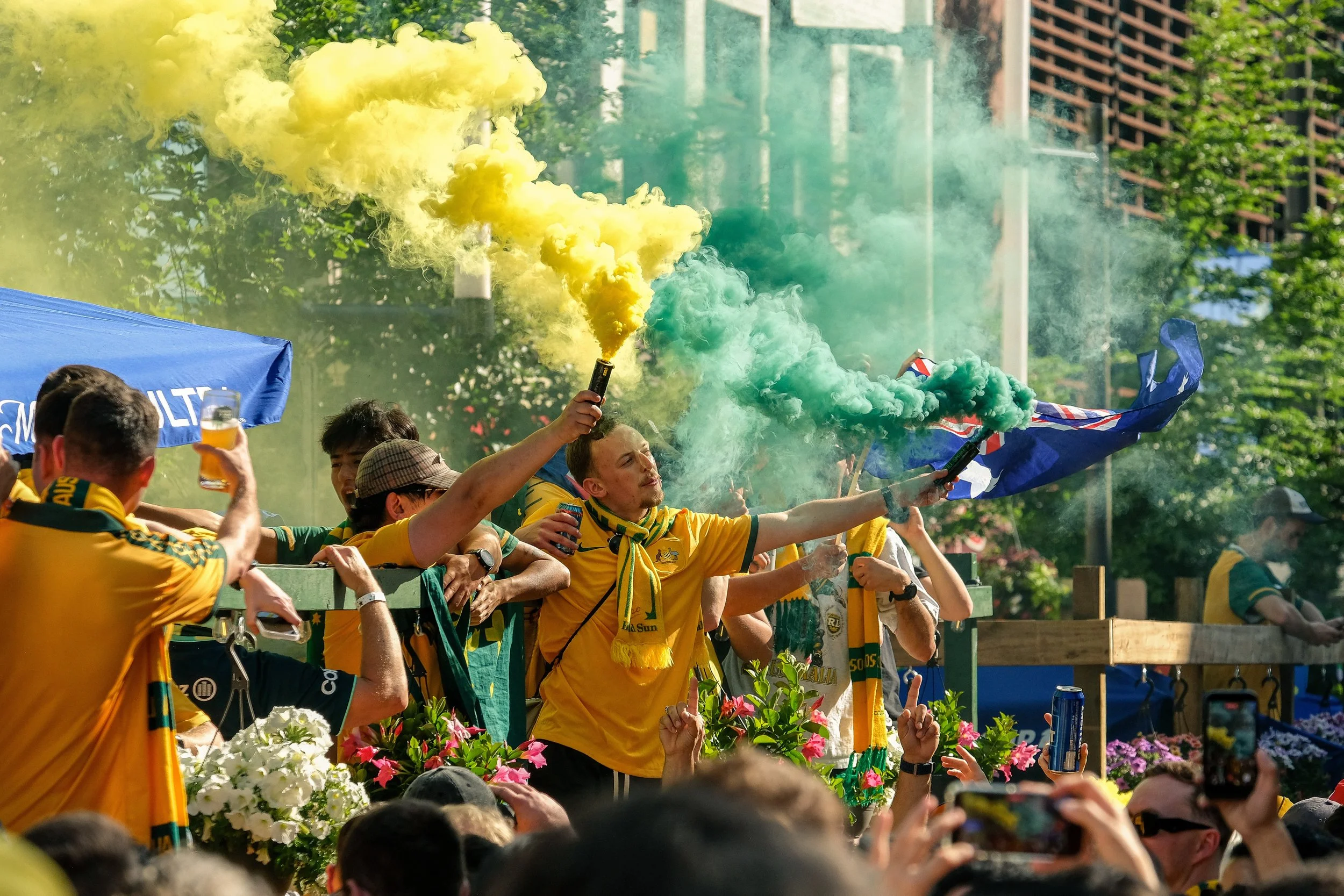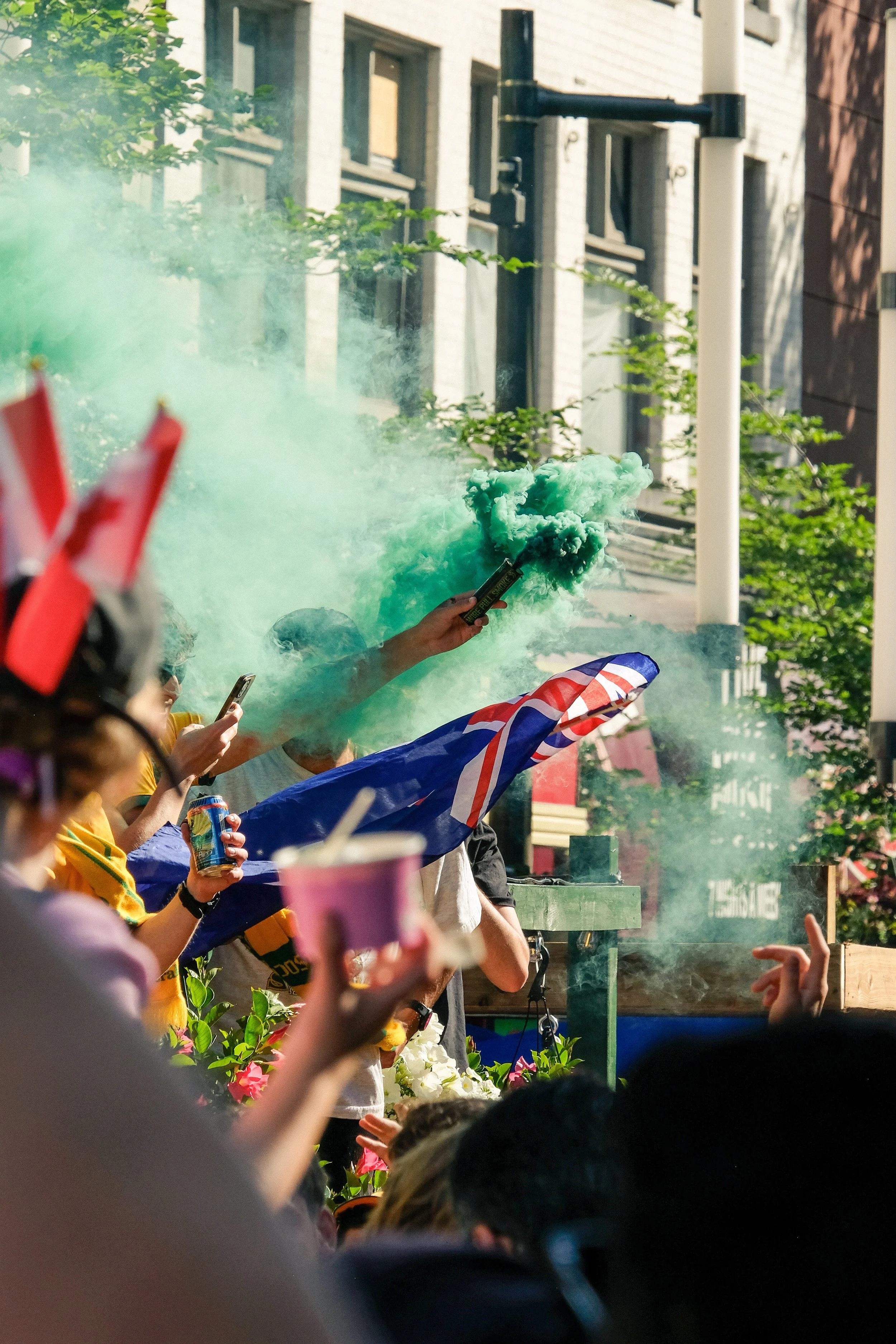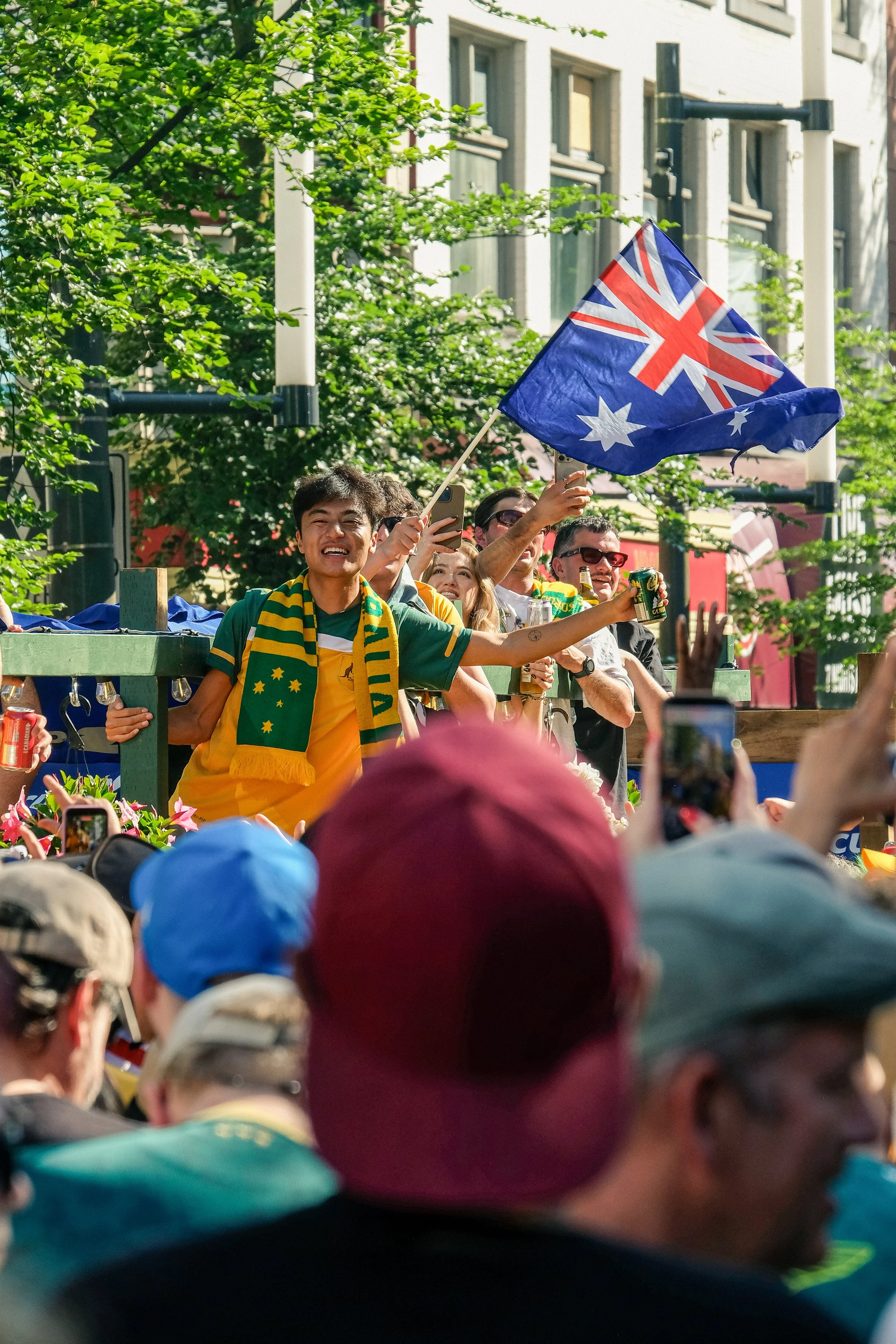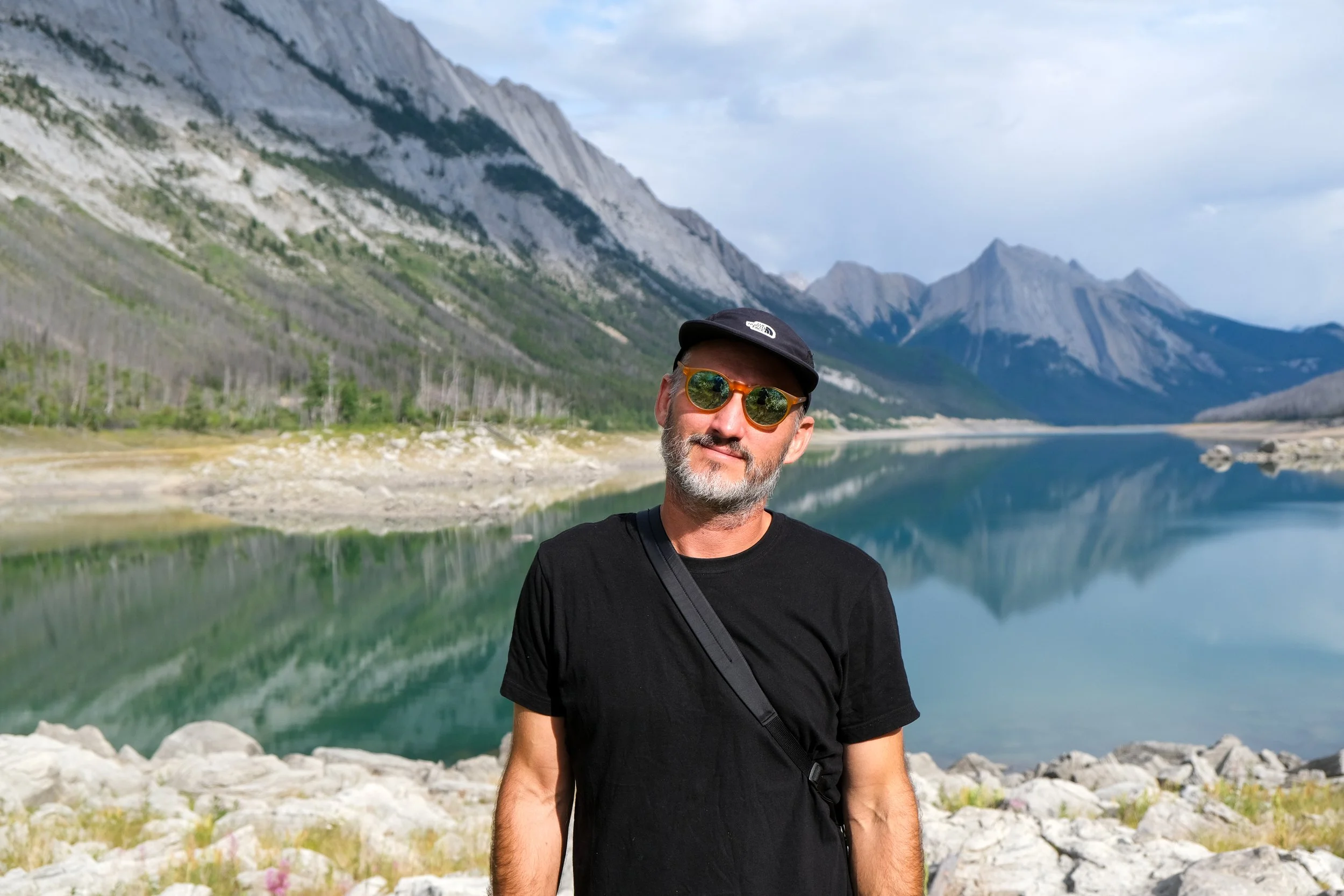
Let's start at the beginning. How did you first get into photography, and what drew you to landscape photography in particular?
My interest in photography developed naturally, without much intentional thought. Like a lot of families back in the day, mine had a few cheap point-and-shoot film cameras lying around that we would use whenever we felt the need to snap a photo. Because of this, I always carried a film camera (or just camera back in the day) with me on trips or when hanging out with friends.
That changed when film slowly fell out of regular use with the introduction of the digital camera, and I stopped taking pictures without really realizing how much it meant to me. I didn’t buy a digital camera, so I went without one until the introduction of the iPhone, which got me taking pictures again. Eventually, my partner convinced me to buy a digital camera, and things took off from there. It was at that point that I realized how much I had missed having a camera with me at all times, so now mine rarely leaves my side.
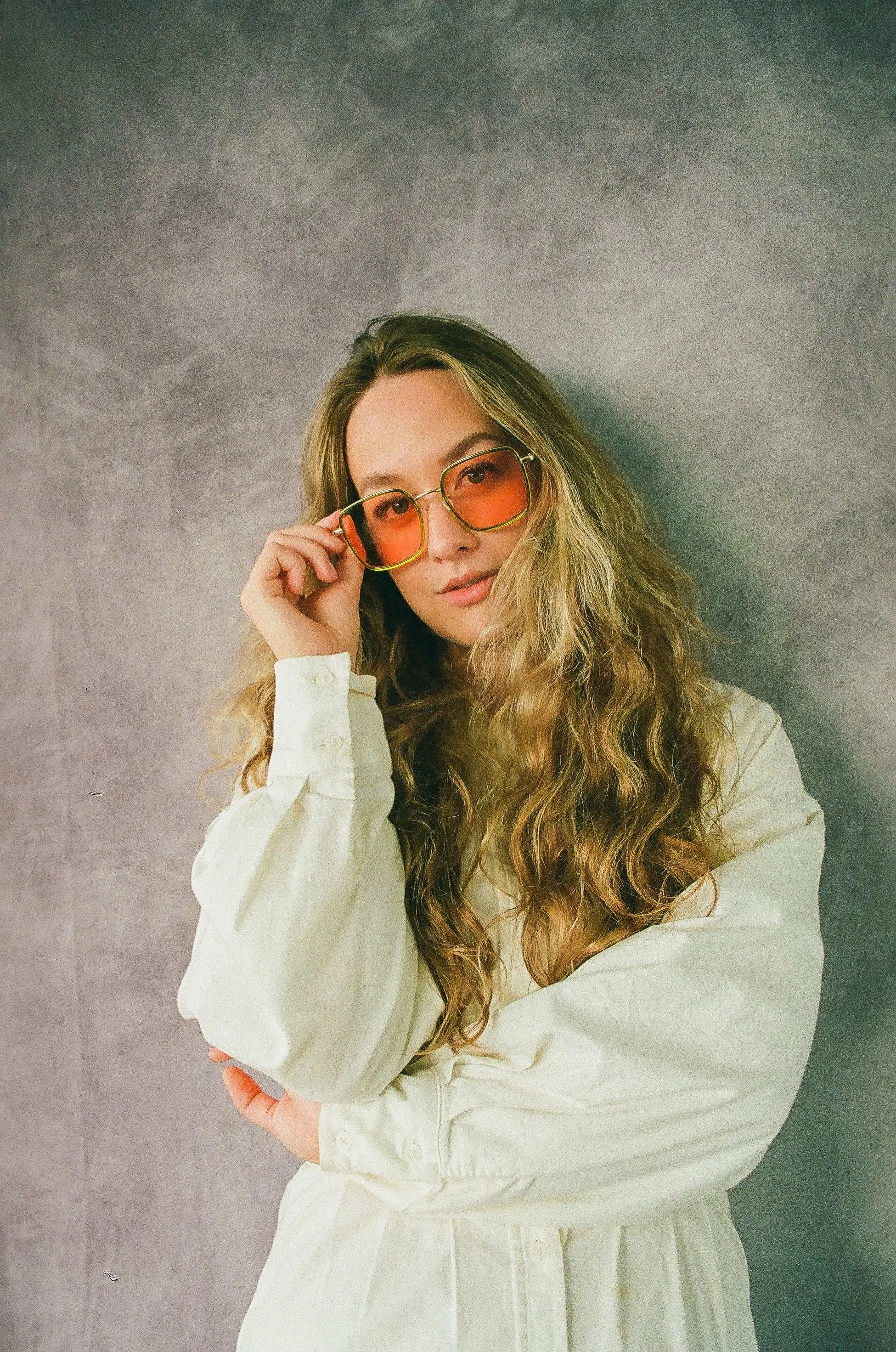
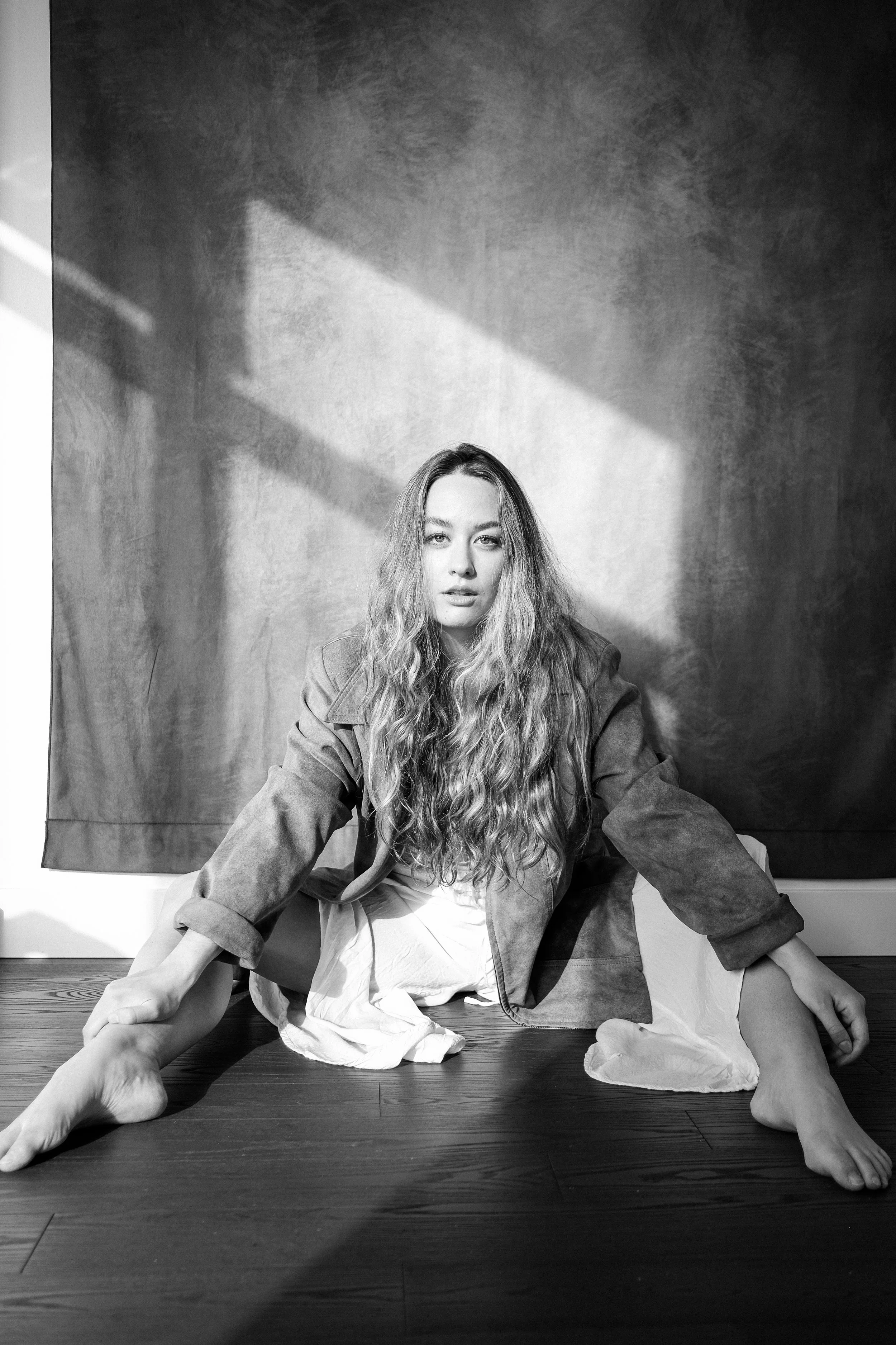
Landscape photography wasn't necessarily something I set out to do, but it's what I've become known for. I tend to take pictures of everything around me, and because I spend so much time outdoors, that's what I end up photographing most. I actually prefer taking portraits and really enjoy photographing people more than anything else. I just tend to share my landscape photos more than the other photos I take.
Your work often captures the relationship between people and the natural world. What draws you to these moments?
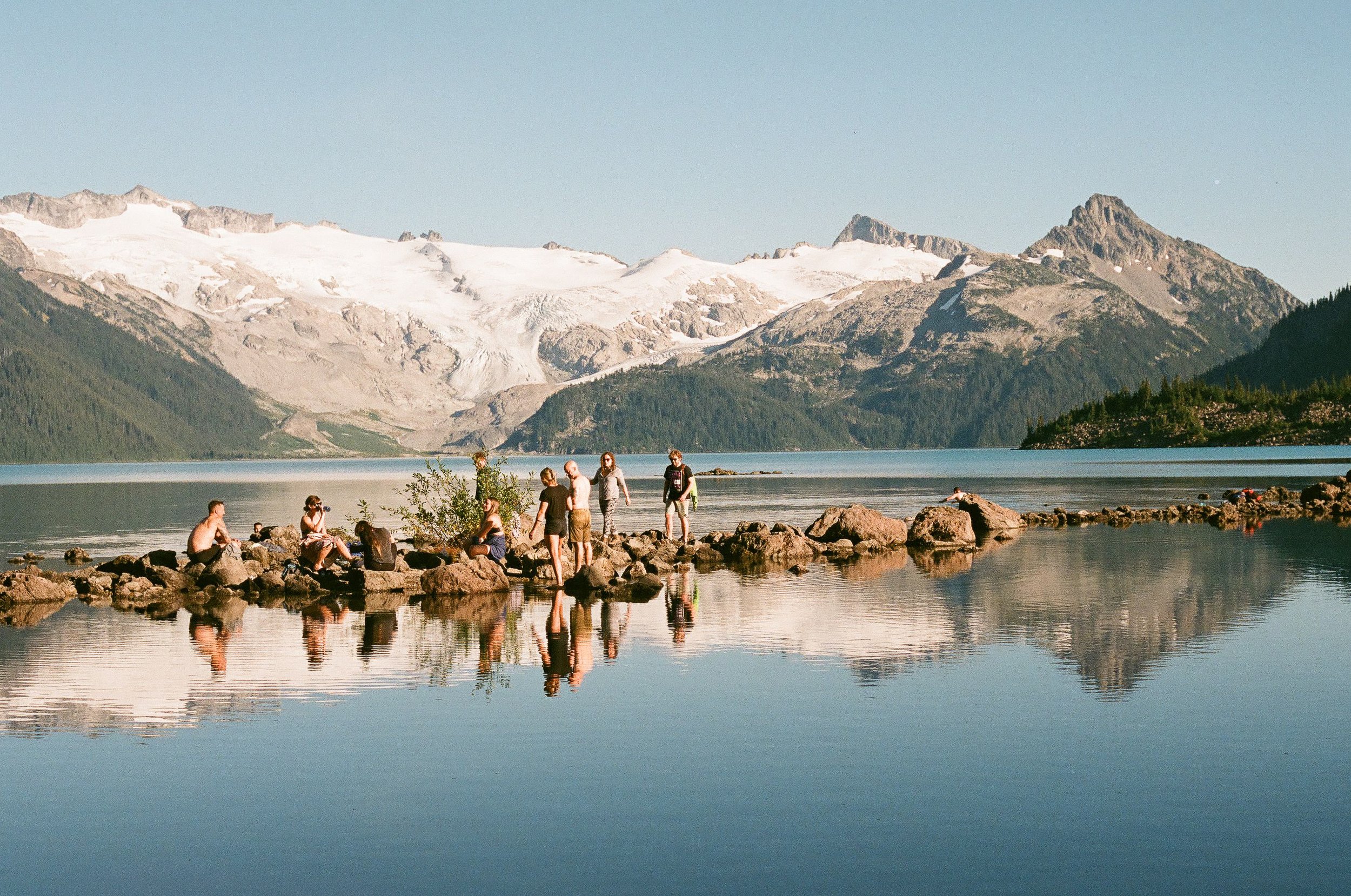
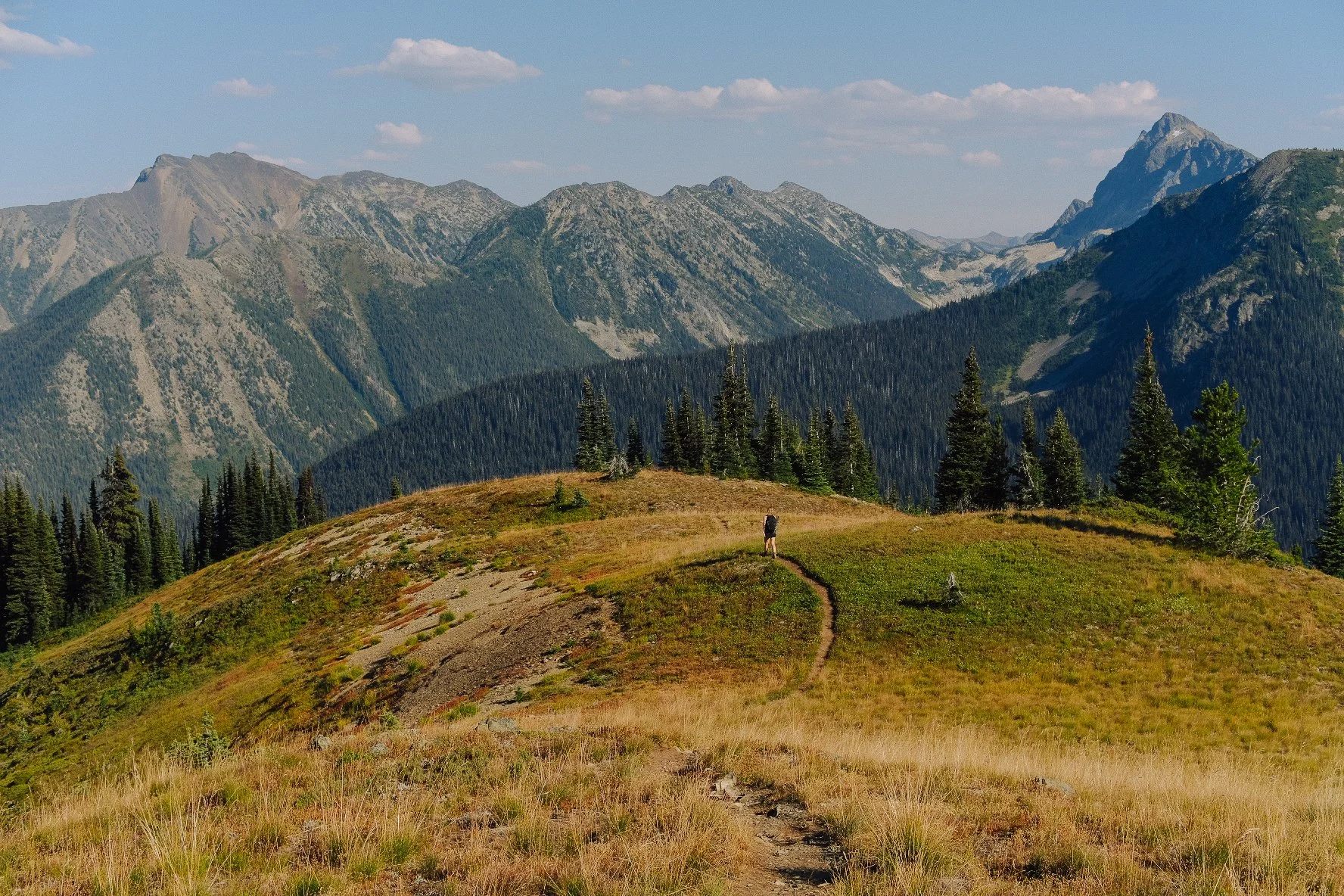
I think having people in a landscape gives it a bit more context. A mountain or coastline is beautiful on its own, but seeing someone walking a trail, sitting by the water, or taking in a view makes the image feel more connected to an actual experience. It gives you a sense of scale, but in my opinion, people are what matter most in this world, so capturing us out in nature is something I enjoy. I also enjoy watching other people, whether friends or strangers, experience an amazing place for the first time.
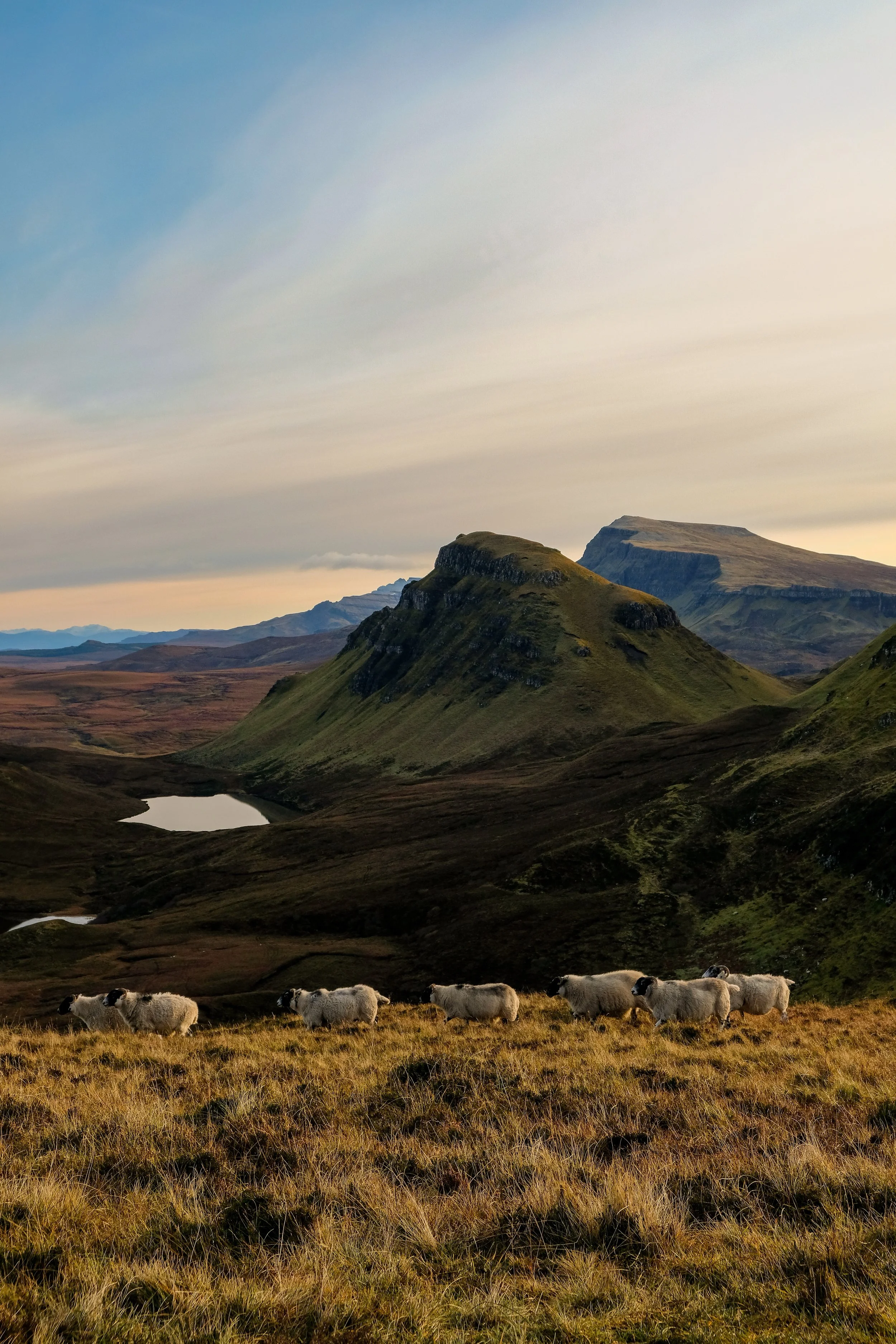
You spend a lot of time exploring new places, from hiking trails to unfamiliar cities. What does travelling with a camera in hand allow you to experience differently?
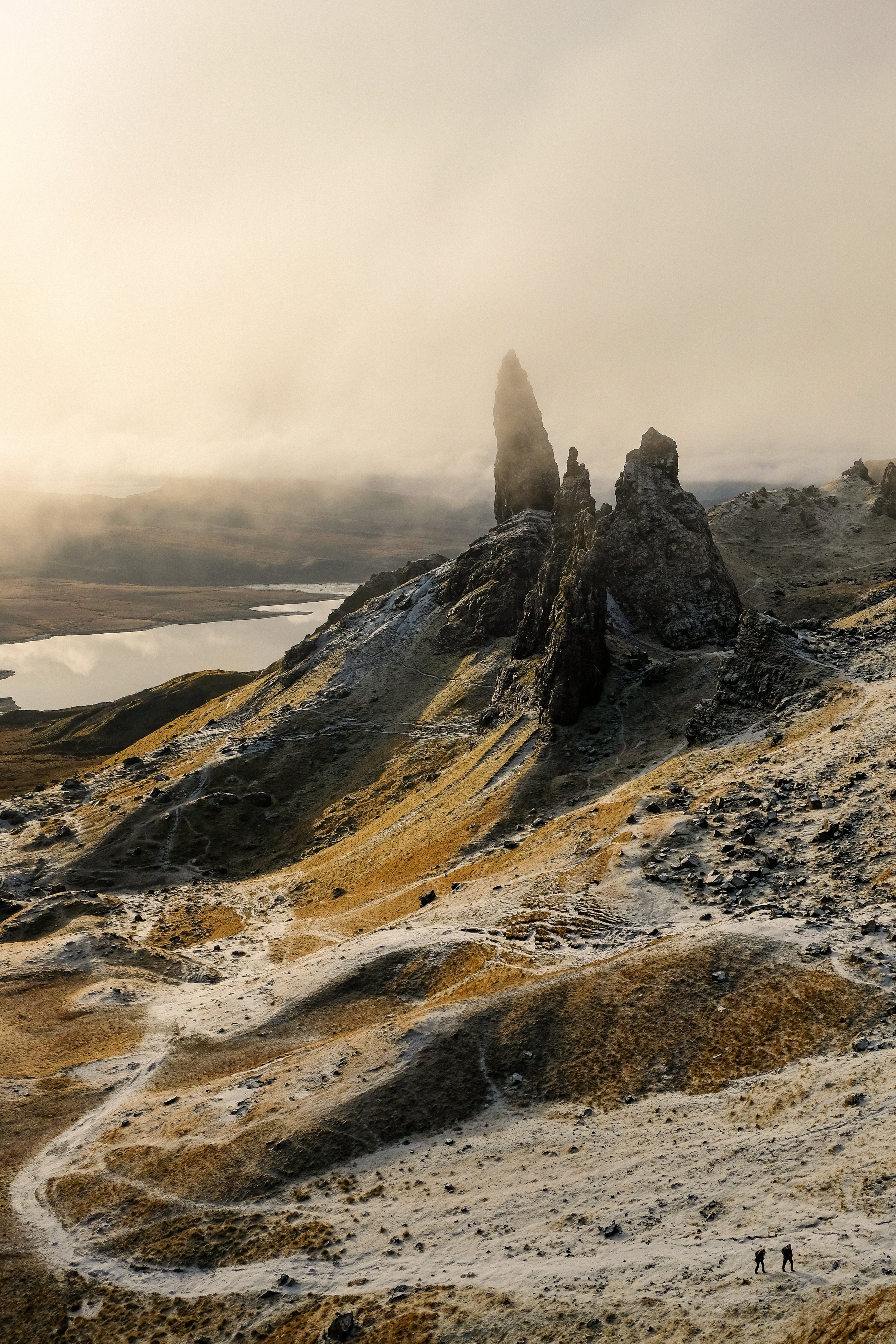
Having a camera with me gives me a reason to slow down and pay attention to things I might otherwise walk past. I'm looking at the way light falls on a building, how people interact with a place, or the little details that make somewhere feel different from home. It makes even a fairly ordinary walk through a new city more interesting.
It also gives me a way to remember a trip beyond the main highlights. Often the images I enjoy looking back on most are the ones that capture the in-between and more personal moments. Photography has become a way of documenting my travels, but it's also part of how I experience them in the first place.
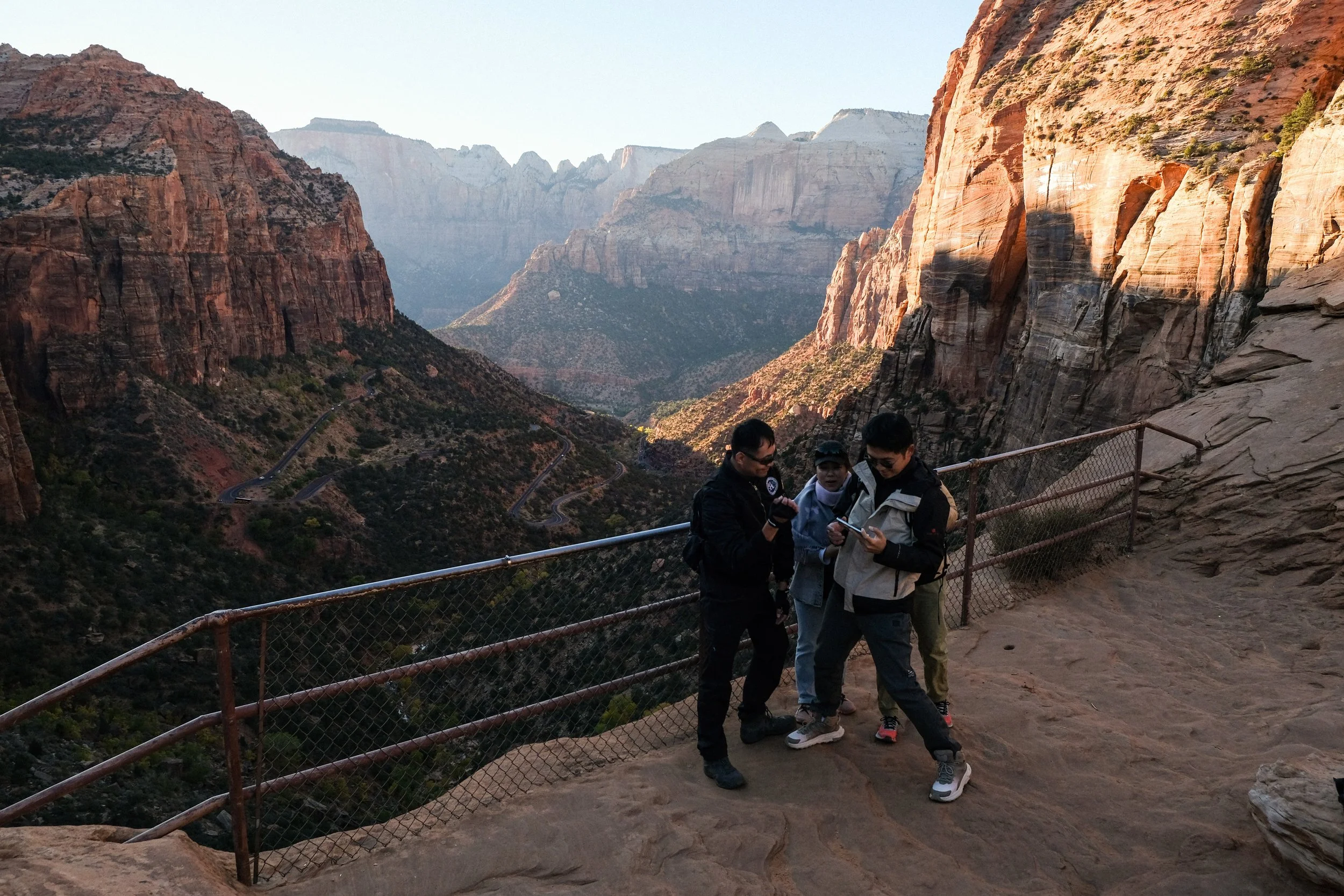
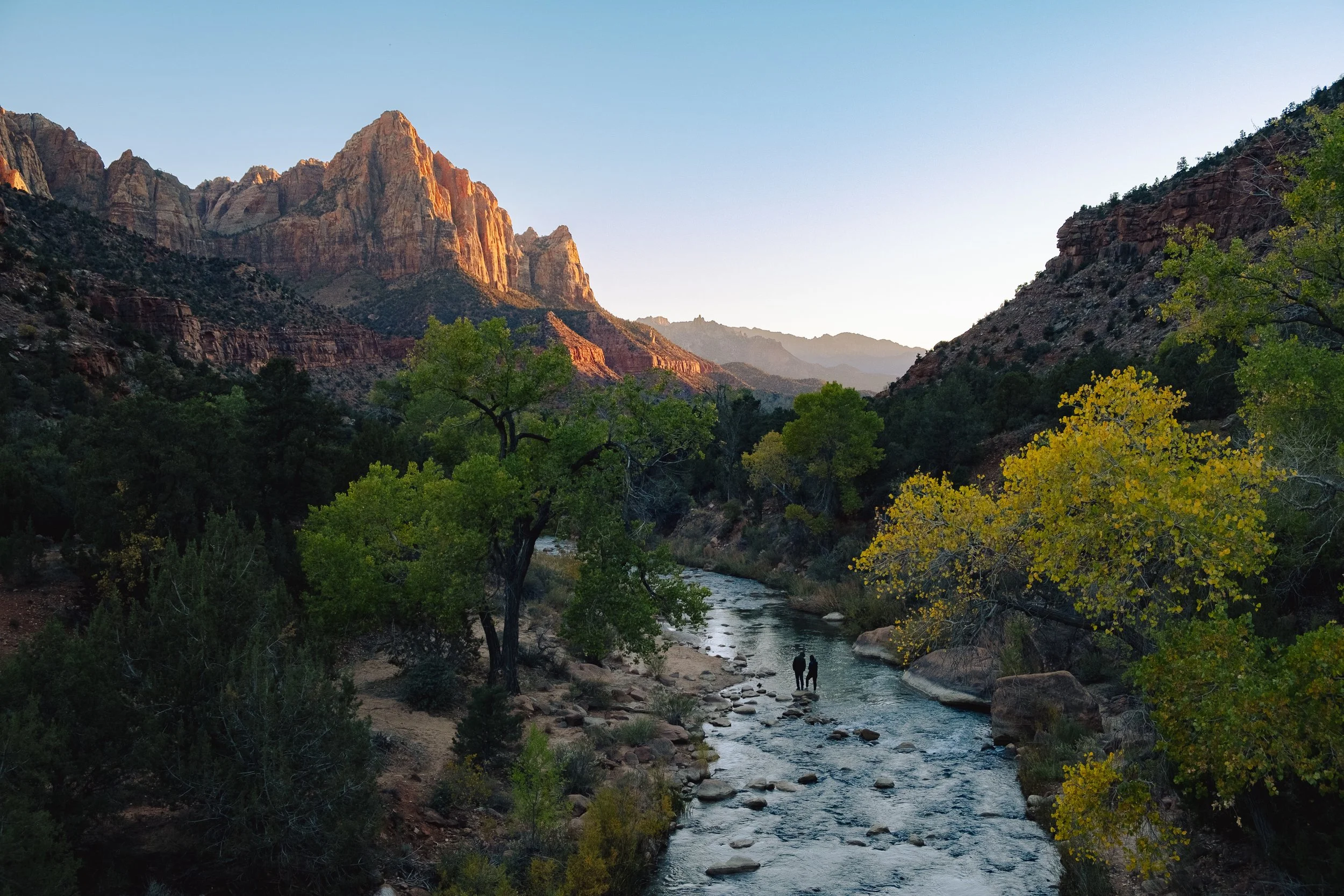
Your photography often feels spontaneous and observational. Do you tend to plan your shots before heading out, or do you prefer to let a place reveal itself to you?
It really depends on what I’m shooting. Obviously, when it comes to taking portraits, I have a plan, or at least an outline in my head of what I’d like to do and where I’d like things to go, which I hopefully have also communicated with the subject.
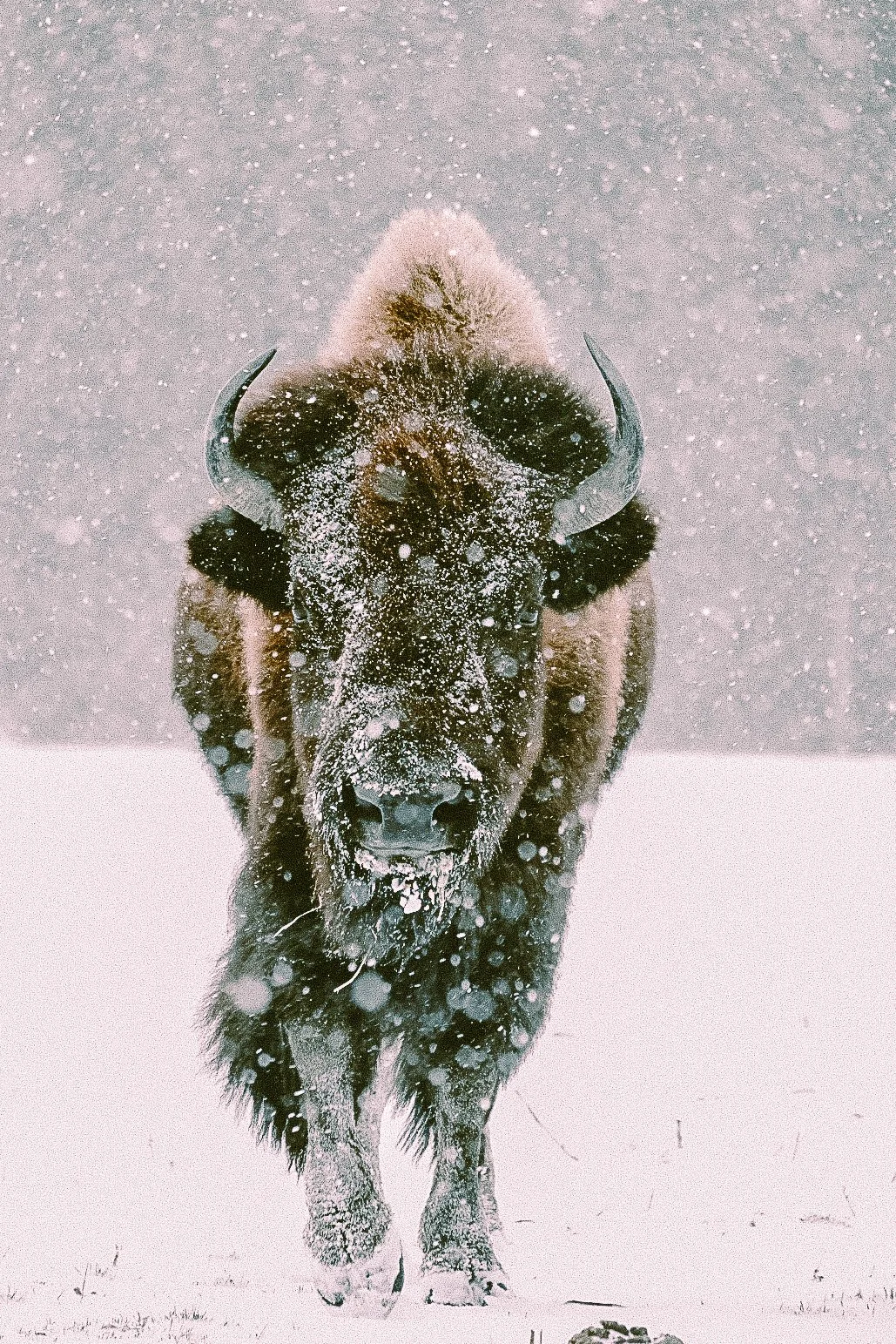
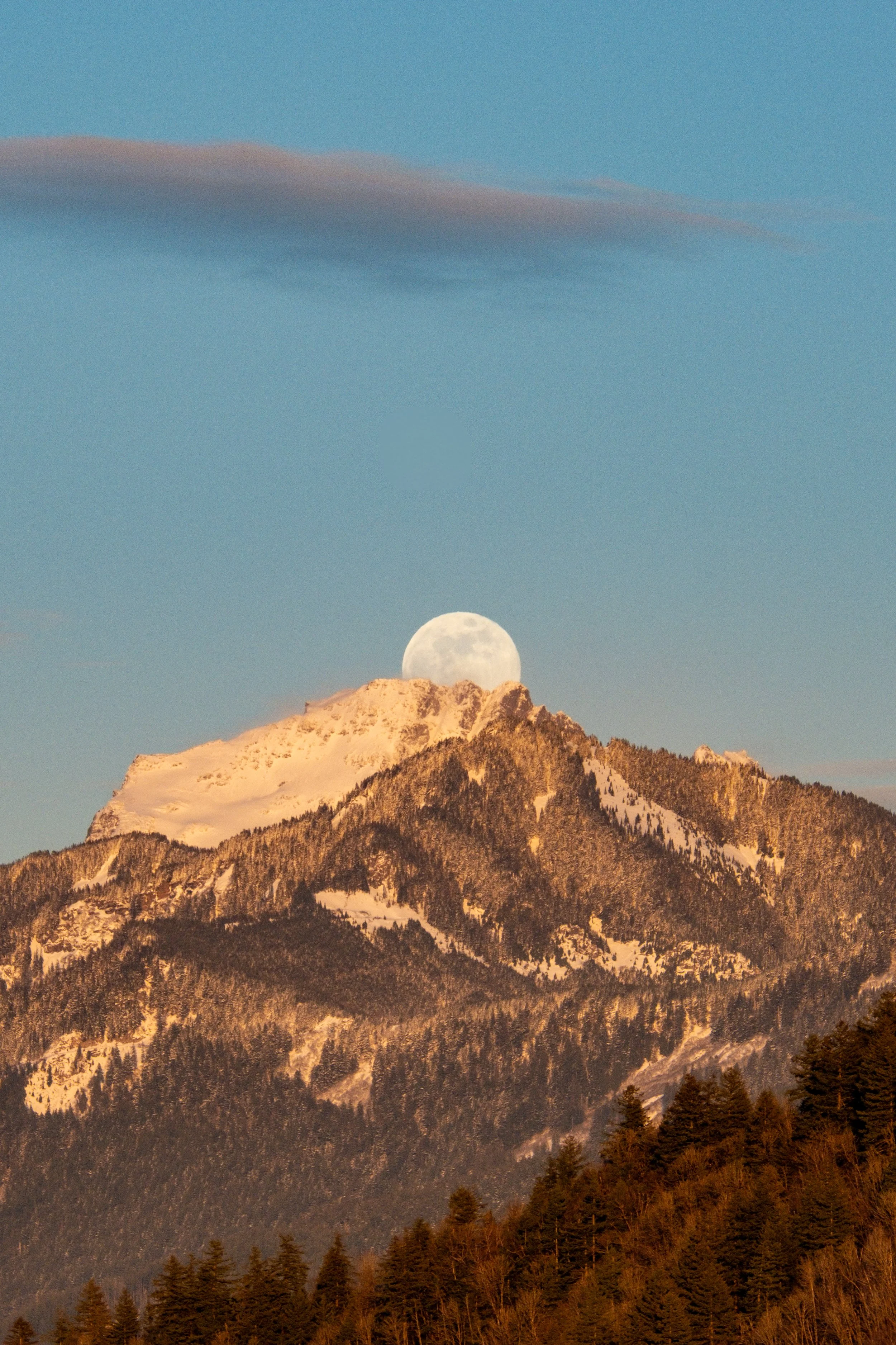
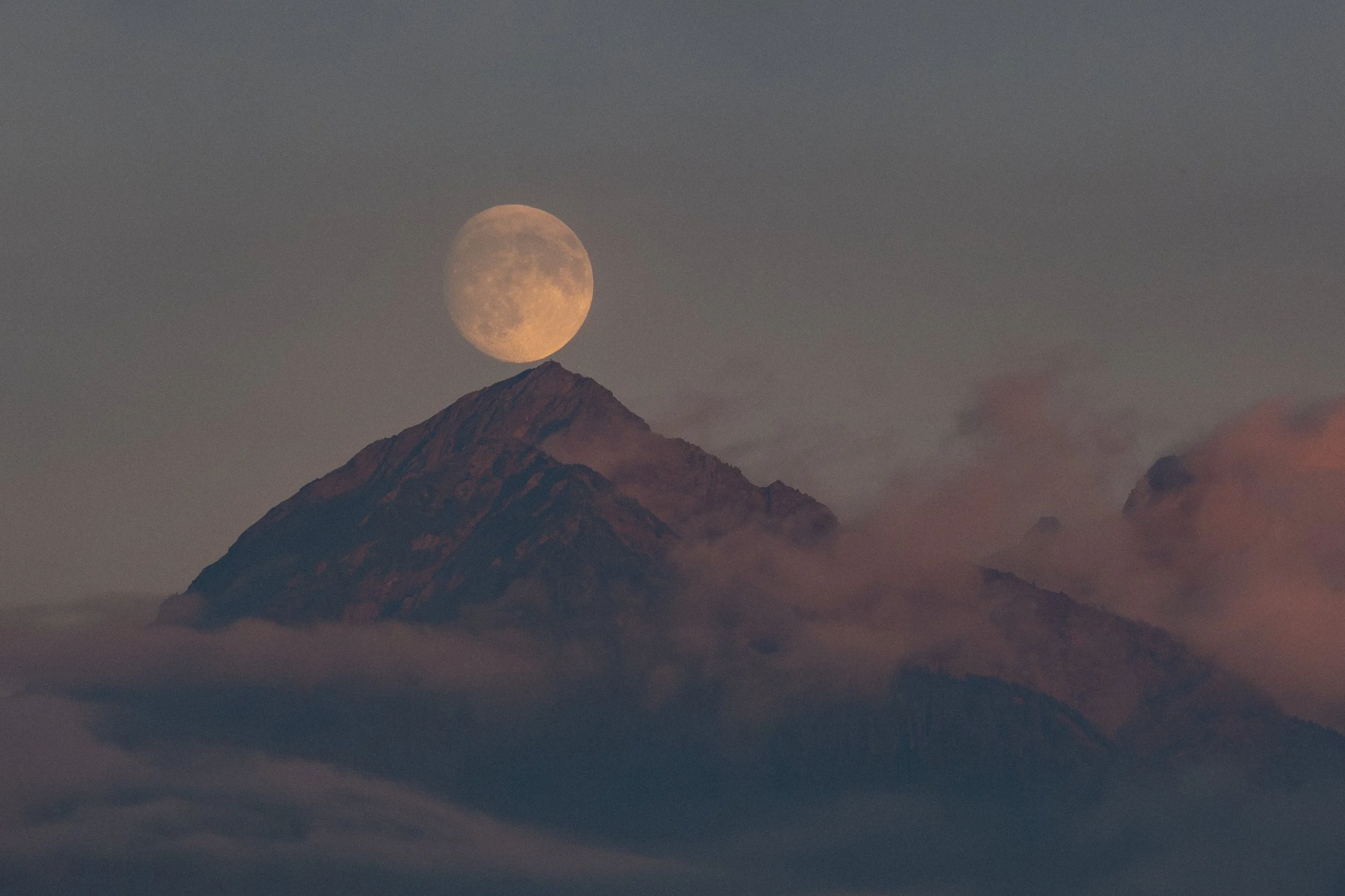
When it comes to landscape photography, I think I’ve only ever planned four or five photos. Only two of those worked out, and they’re included below: a picture of a bison in the snow and a moon rising over the mountains where I live. Other than those handful of times, I usually just go with the flow.
A good example of this was a few years ago when I was walking around Edinburgh and came across a crowd of people taking pictures. I was slightly confused until I realized they were all there to photograph what I think is called The Vennel Viewpoint. It’s a beautiful viewpoint, so I can see why it draws people in.
There are times when I wish I’d planned out photo spots a bit more, as I sometimes get home from travelling and discover places I was close to but missed. Then again, I also love the spontaneity of it all.
You grew up surrounded by the landscapes of the Pacific Northwest, how has that upbringing influenced the way you see and photograph the world today?
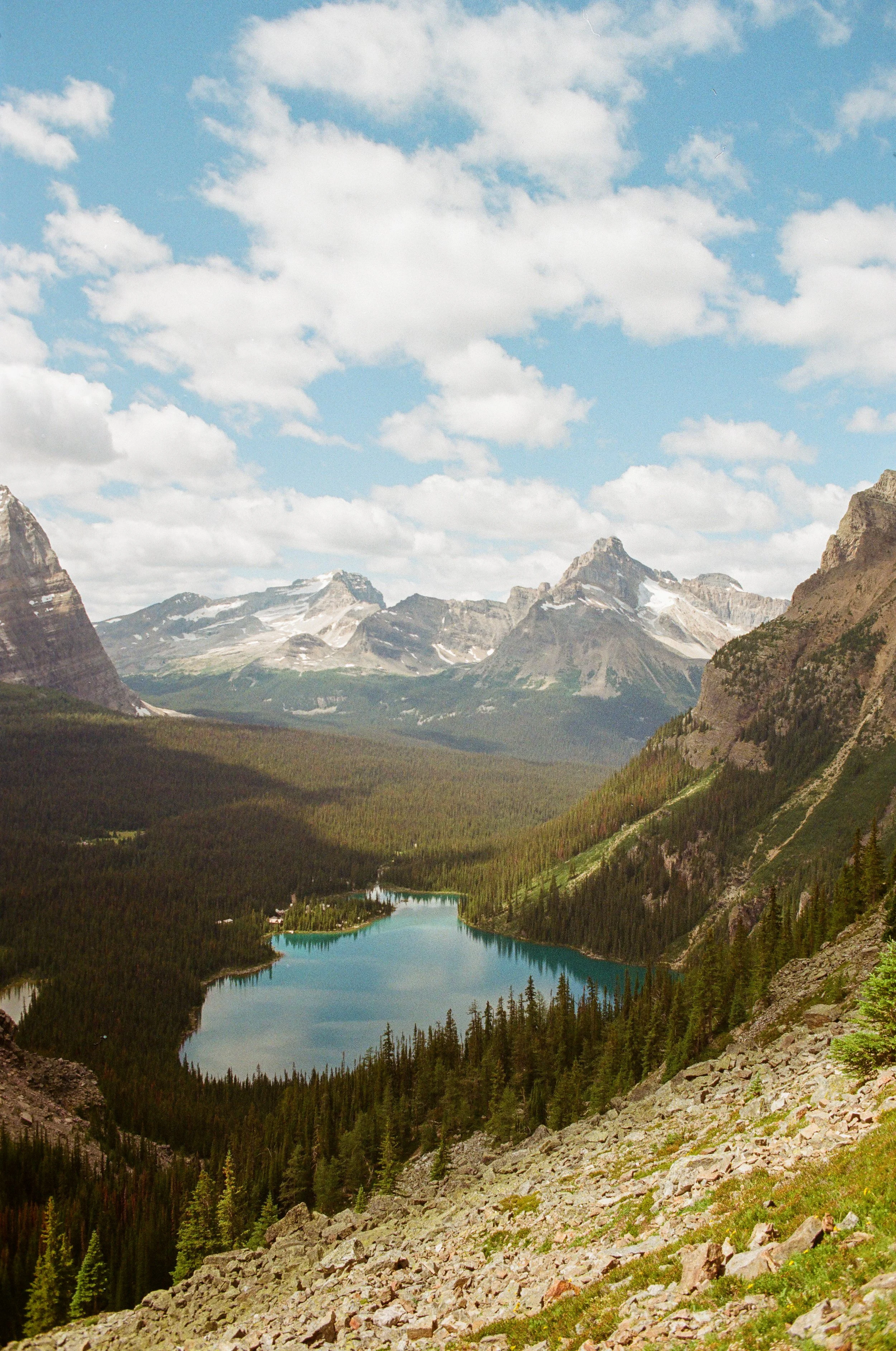
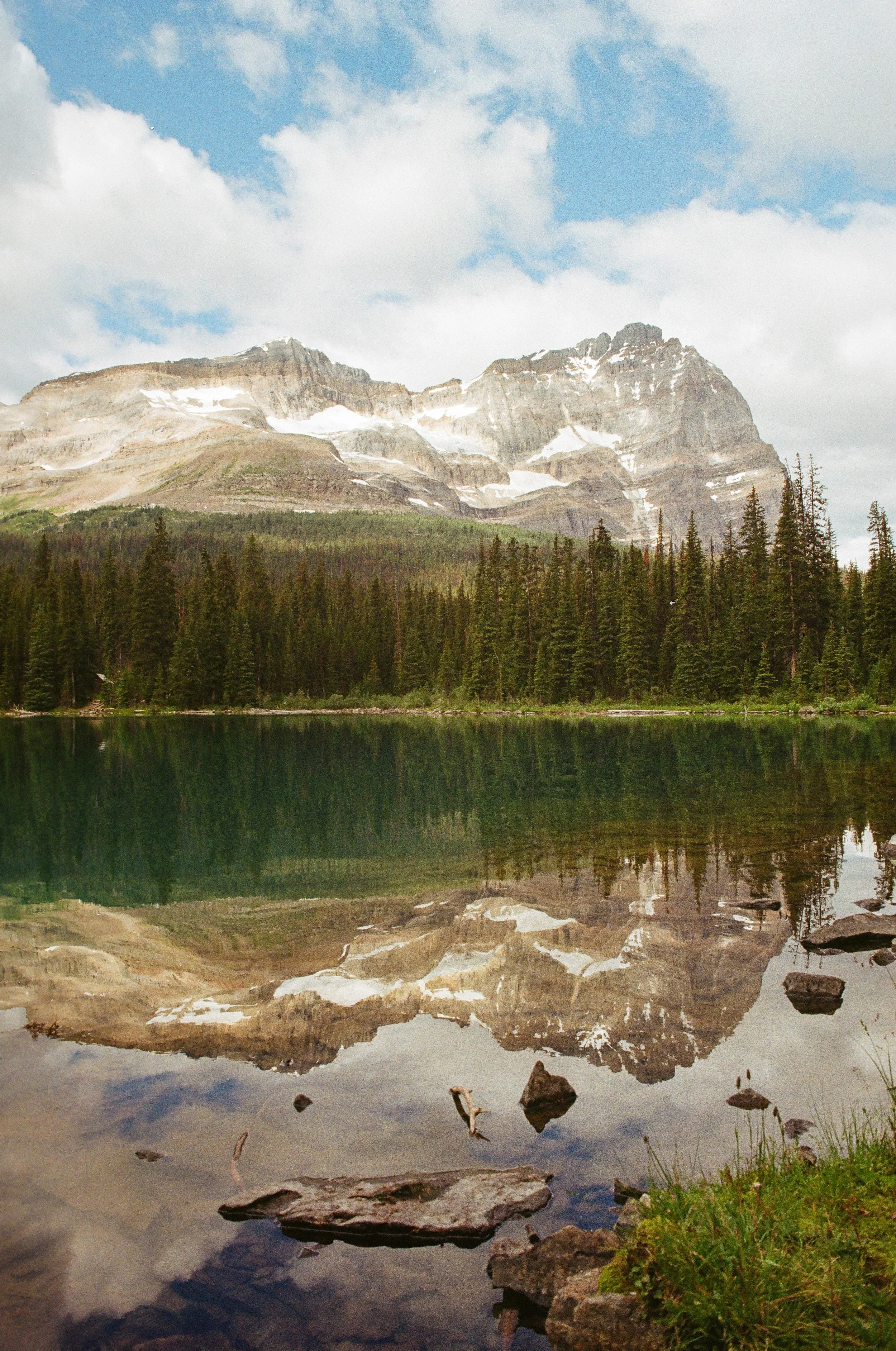
Growing up in the Fraser Valley, you're never too far from mountains, forests, or the coast. It's a landscape that makes spending time outdoors pretty accessible, but until I moved away for a while, I didn't really care about any of it. It was just normal to me.
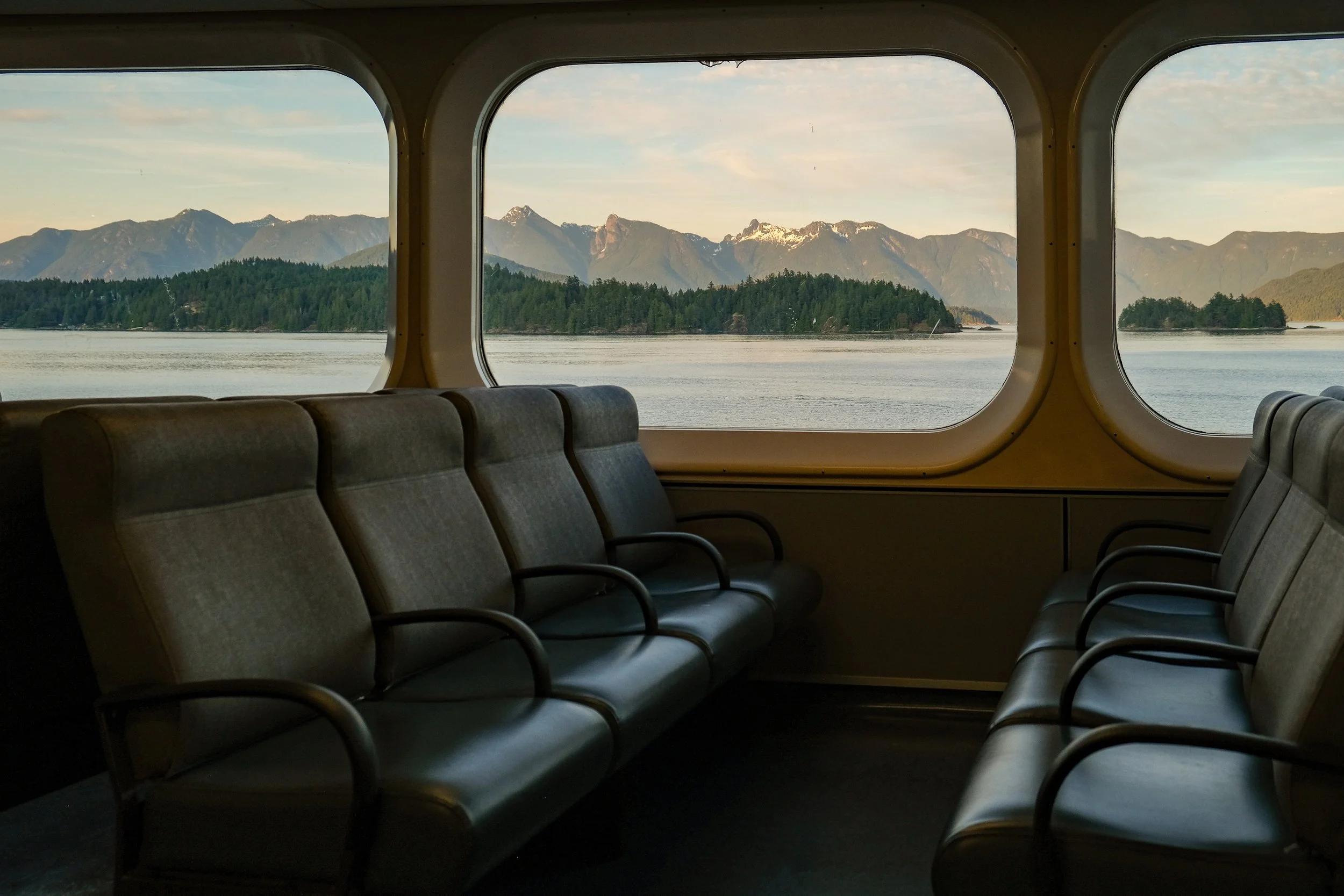
Travelling has changed how I see the places I'm familiar with. Experiencing different landscapes and ways of life has made me more curious about the world, but it has also made me appreciate where I'm from. I think that's a big part of why I continue to photograph both at home and while travelling. I'm interested in seeing new places, but also in paying closer attention to the ones I already know.
Don't get me wrong, I still prefer being in a city to a forest, and desert landscapes are my favourite. But I can't complain about growing up in the PNW. It's a beautiful area.
Switching topics to Stade Magazine, what inspired you to start the magazine, and what did you hope to create when you first launched it?
I started Stade in 2018 because I wanted to create something that brought together my interests in photography, travel, and hearing people's stories. I was spending a lot of time looking at other photographers' work and buying independent magazines, which I still do. I had some time on my hands that year and thought, why not make my own? So I did.
I also love the idea of having something physical that people can hold on to, rather than just a digital magazine. I'm a huge supporter of print magazines and encouraging people to print their photographs.
When I first launched Stade, I didn't have a huge plan for what it would become. I just wanted to make a magazine that I would enjoy reading myself, featuring photographers and stories from places around the world. Over time, it's grown into something I'm proud of, and it's given me the opportunity to meet people whose photography I admire.
Why is it important to you to share the stories and experiences behind the images, and to create space for other photographers to showcase their work?
A photograph can tell you a lot, but I think knowing a bit about the person behind it or the experience that led to it can change how you see the image. I'm interested in why people travel, what draws them to certain places, and the experiences they have along the way. Those details add another layer to the photographs and give readers a better understanding of the person who made them.
It's also important to me to give other photographers a platform to share their work. There are so many talented people out there, and a lot of great photography gets lost in the constant stream of content online. A print magazine gives that work a bit more room to breathe. I like the idea that someone might pick up an issue, discover a photographer they've never heard of, and come away inspired by their work or their story.
Looking ahead, what does the next chapter of Stade Magazine look like? Are there any places, projects, or creative interests you're particularly excited to explore?
Well, as some from the Stade community may have noticed, we've made some changes lately. We've added two talented people to the team, James Nguyen and Simon Kim. Our goal is to keep growing the magazine and reaching more people while staying true to what it started as. It's important to me that it remains an independent publication where the photography and stories come first.
We'll also be sharing more of our travels and recommendations, with the hope of helping people discover and enjoy new places through our own experiences. James, Simon, and I all have very different backgrounds and photography styles, so we're hoping to bring those together to reach more people and continue growing the Stade community.
Finally, after taking a year-long hiatus, I'm really looking forward to getting back into making print issues. One is already in the planning stages for release sometime in the first half of next year, and hopefully, that will be a springboard for more creative print projects.
To see more of James’ photography, visit his website here.