A City Built to Disappear: Expo 2025 Osaka
By: James Nguyen
For six months, an artificial island in Osaka Bay became a meeting place for the world. Countries came together to share their cultures, ideas, and visions of the future through architecture, art, and design, creating a temporary city unlike anywhere else. At the centre of it all stood the Grand Ring, an enormous timber structure connecting it all. I travelled to Japan during the Expo’s final week to experience this remarkable place before it disappeared.
By the time I arrived in Osaka for the final week of Expo 2025, I had already spent months following it from the other side of the world. I had seen the pavilion designs, watched the Grand Ring take shape, and videos of people experiencing the event. But standing there for the first time felt different. After years of learning about World Expos and what they left behind, I was finally experiencing one while it was happening.
As someone who studied architecture, I’ve always been a little obsessed with the World Expo. They came up constantly in architecture school. You learn about the Crystal Palace from the Great Exhibition of 1851, the Eiffel Tower in Paris, and the Tower of the Sun in Osaka, all these buildings and ideas that come out of the World Expo that were only meant to last a few months.
I always thought of the World Expo as a kind of Olympics for design and culture.
Every five years, countries from around the world come together in one host city, each creating a pavilion that gives visitors a small window into their part of the world. In a single day, you can move between different cultures, food, art, architecture and traditions, while also getting a glimpse at how each country imagines the future.
But I think what has always fascinated me most about the Expo is knowing that it won’t last. So much thought goes into creating this entire place, people travel from around the world to experience it, and then, just a few months later, it disappears. A few buildings might remain or find a new purpose, but most will eventually live on through photographs, stories, and the memories of the people who were there.
Until Osaka, that was how I had always experienced World Expos: through what they left behind.
Visiting Expos After They’re Gone
Whenever I travel, I tend to seek out a lot of architecture, so over the years I’ve ended up visiting pieces of old World Expos without ever actually attending one.
There’s something a little strange about seeing these places decades later and how they’ve been repurposed. You’re standing in front of a building that was once surrounded by millions of visitors.
I also now live in Vancouver, which hosted Expo ’86, and its legacy is still everywhere. Science World is probably the most obvious reminder, along with Canada Place, the Roundhouse and the SkyTrain system that opened alongside the Expo. Nearly forty years later, these places have just become part of Vancouver.
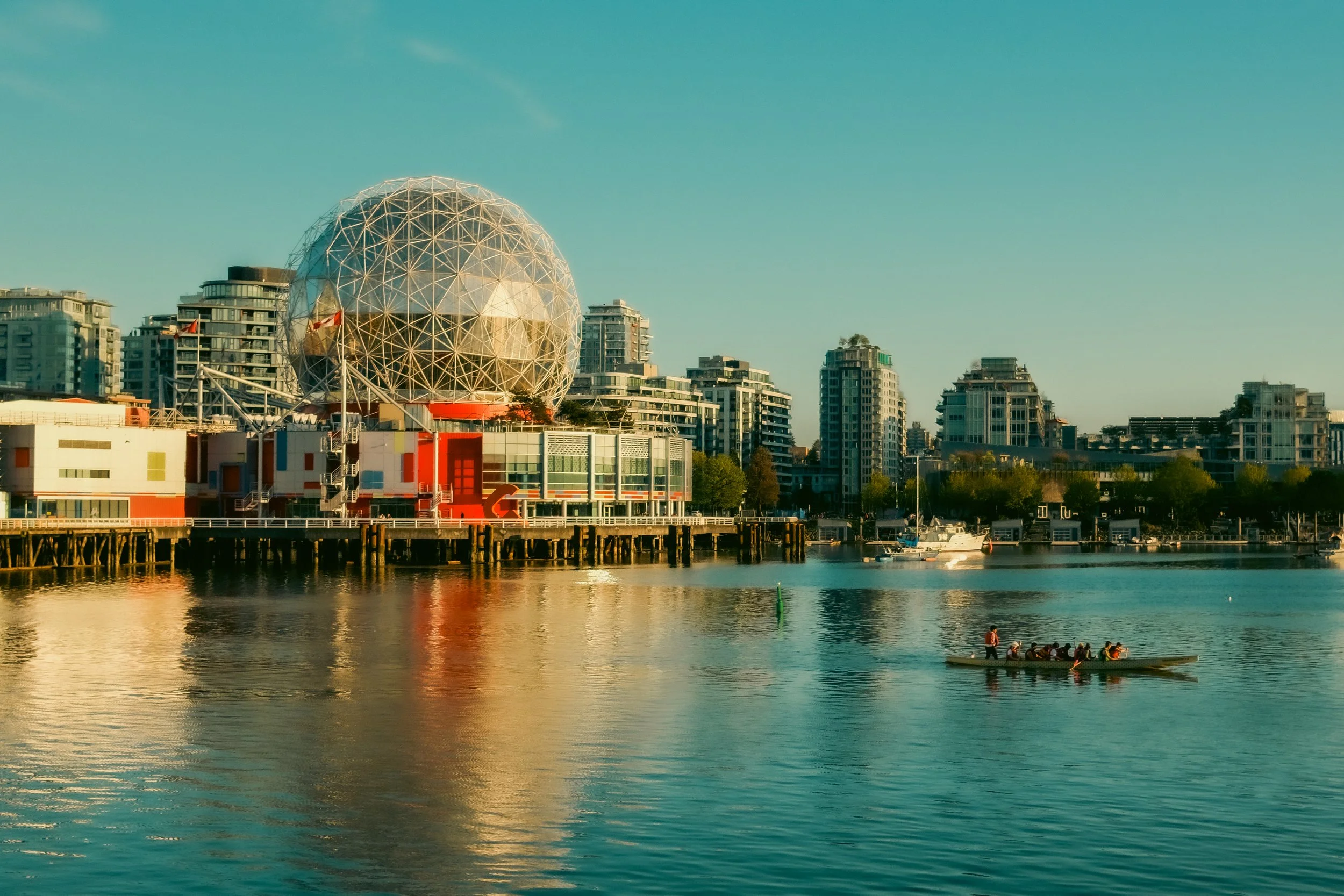
Science World from the World Exposition on Transportation and Communication in 1986.
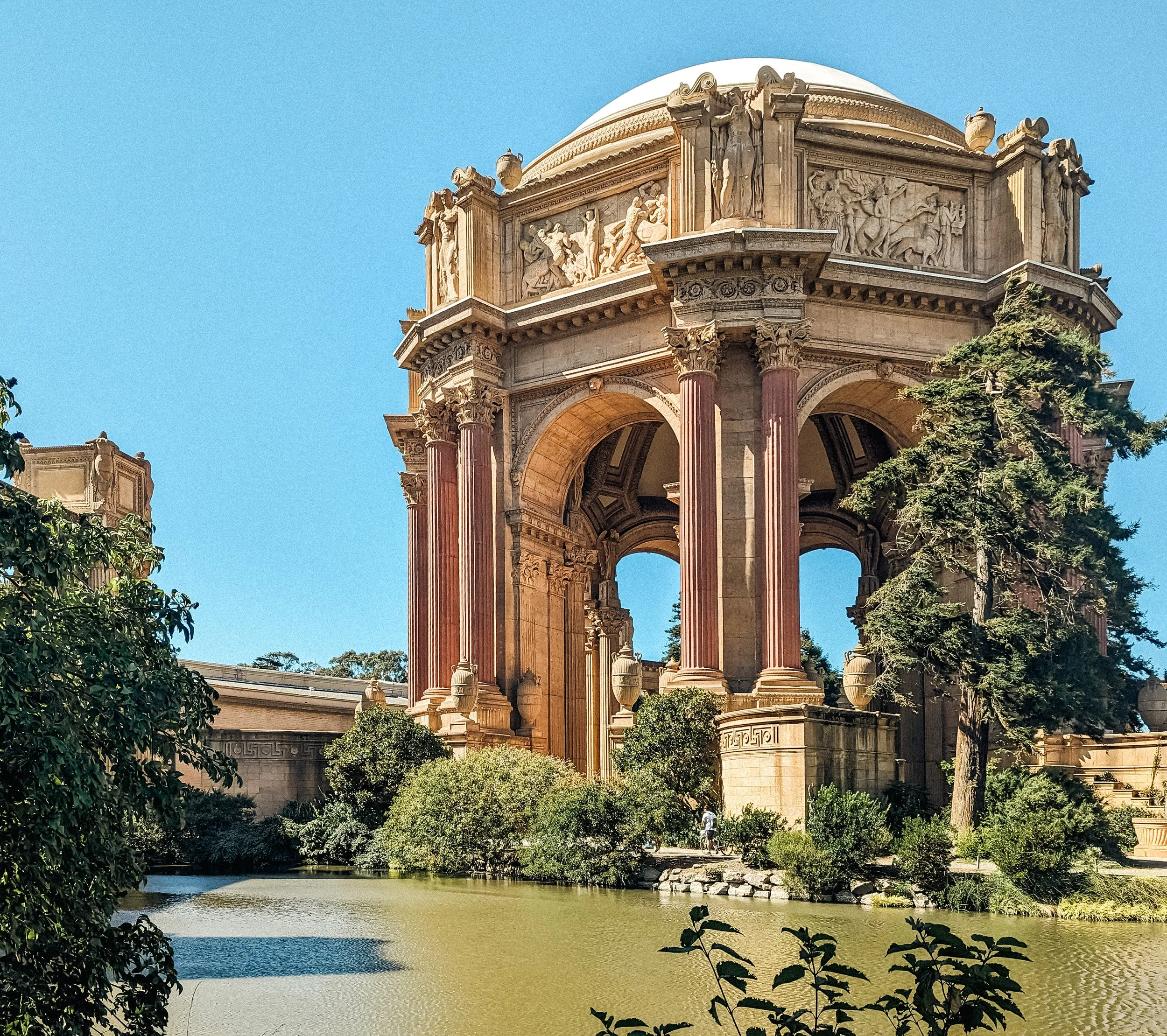
Palace of Fine Arts from the Panama–Pacific International Exposition in 1915.
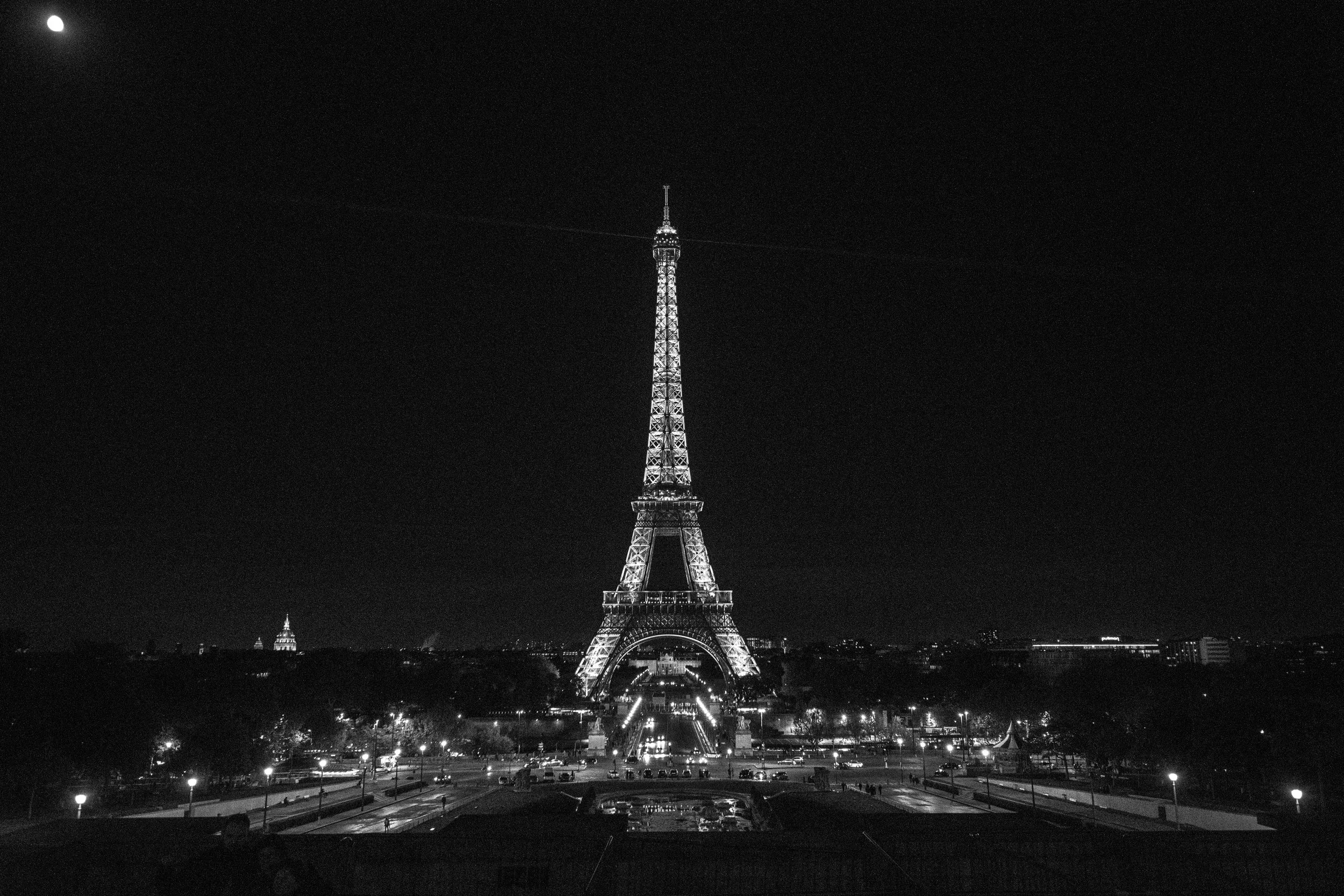
Eiffel Tower for the Exposition Universelle in 1889.
When I found out Osaka was hosting Expo 2025, I knew this was the one I had to attend.
I had already wanted to return to Japan, but the Expo gave me a completely different reason to plan the trip around Osaka. The city had hosted a World Expo once before, back in 1970, and more than fifty years later, people from around the world would once again be gathering there.
I watched others visit pavilions online, saved the ones I wanted to visit, and slowly built a list that would be impossible to fit into a single day.
But there was one thing at the top of my list, and it wasn’t a pavilion.
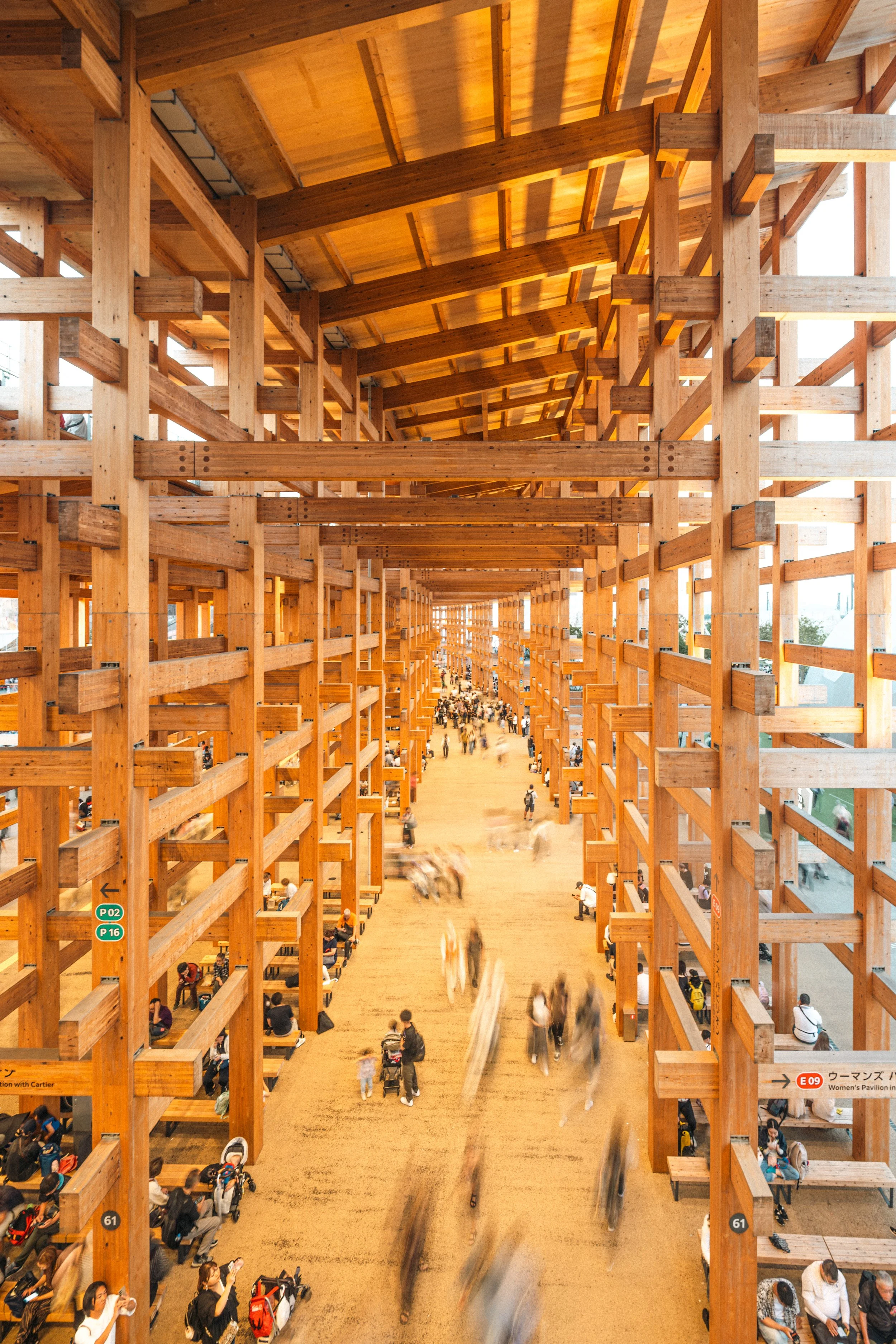
It was the Grand Ring.
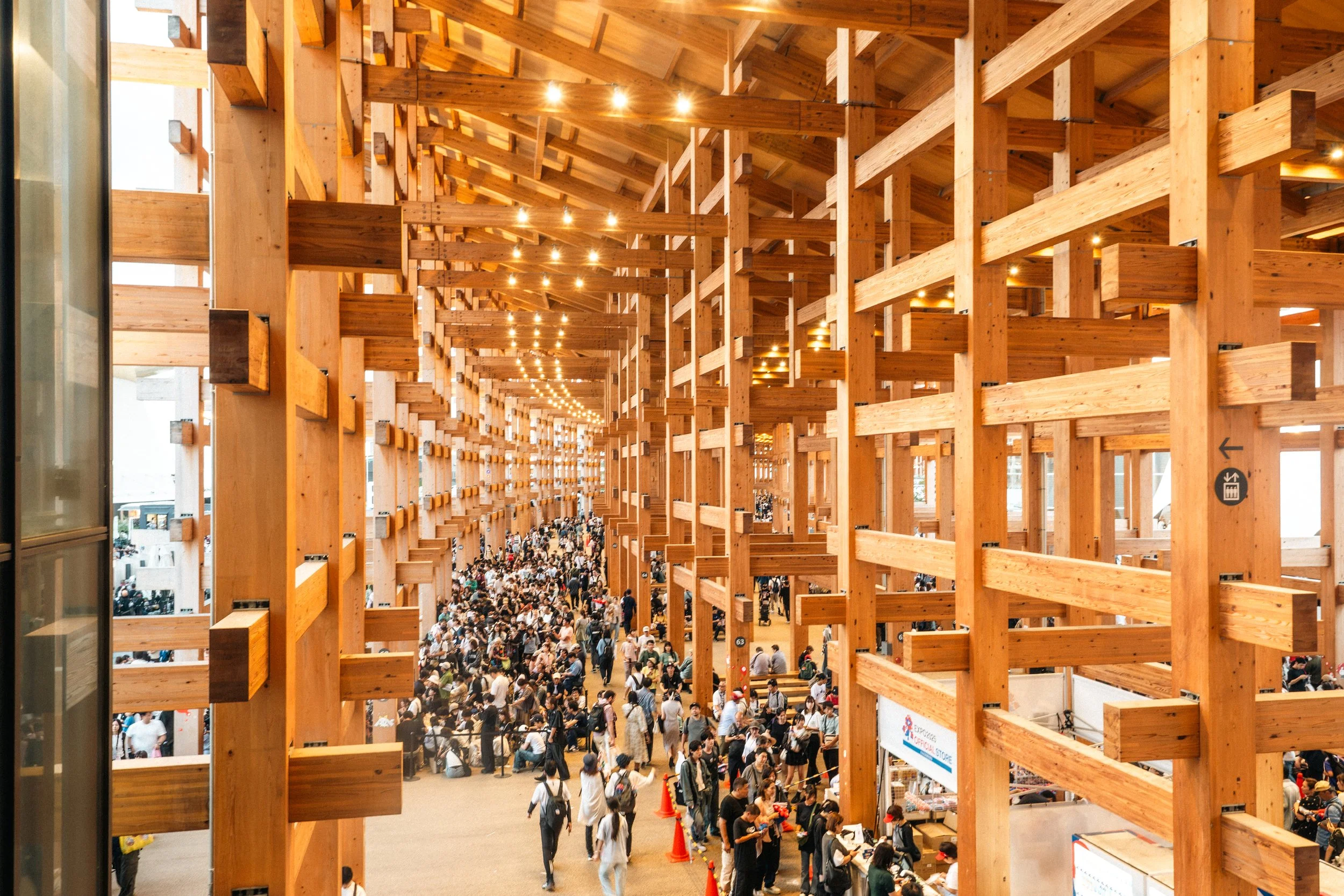
Designed by Sou Fujimoto, one of my favourite architects, the Grand Ring wraps around the Expo grounds in one enormous timber structure. At roughly two kilometres around, it doubles as a walkway where you can get above the crowds, take in the pavilions from a completely different perspective, and look out toward Osaka Bay.
I had seen it countless times online while planning the trip, but seeing something on a screen and actually standing beneath it are two very different experiences. Walking underneath the Ring for the first time was probably one of those rare architectural moments where I genuinely had no words and just looked around. It was huge. You could look in either direction and watch the structure repeat over and over endlessly.
Then you walk on top of it and get a completely different experience. Suddenly you can see the whole Expo unfolding below you. Pavilions poke above the thousands of people moving between them. It was a beautiful piece of architecture, you can just walk around and enjoy the view.
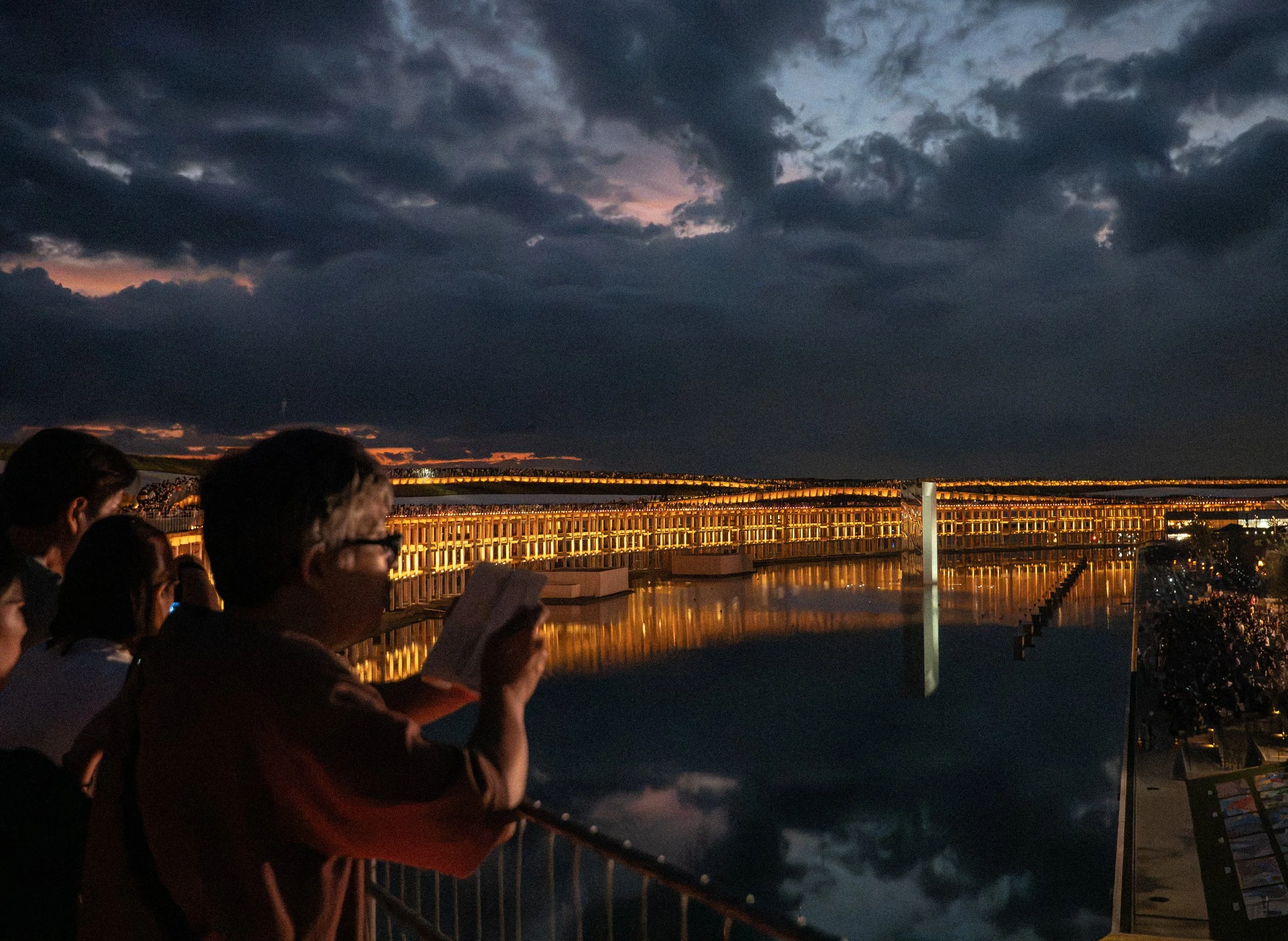
A Collection of Culture
The Expo itself is chaos. In a good way.
There are people everywhere. Lines everywhere. Languages from all over the world. Performances happening in one direction while something completely different is happening in another. There was no way to see everything or know where everything was. Still sad I missed the GUNDAM that was made for this expo…
Each country had its own way of telling its story, and stepping inside a pavilion felt completely different from the next. Some focused on food and tradition, others on art, or technology. Some were immersive and theatrical, while others were much quieter and exhibitional.
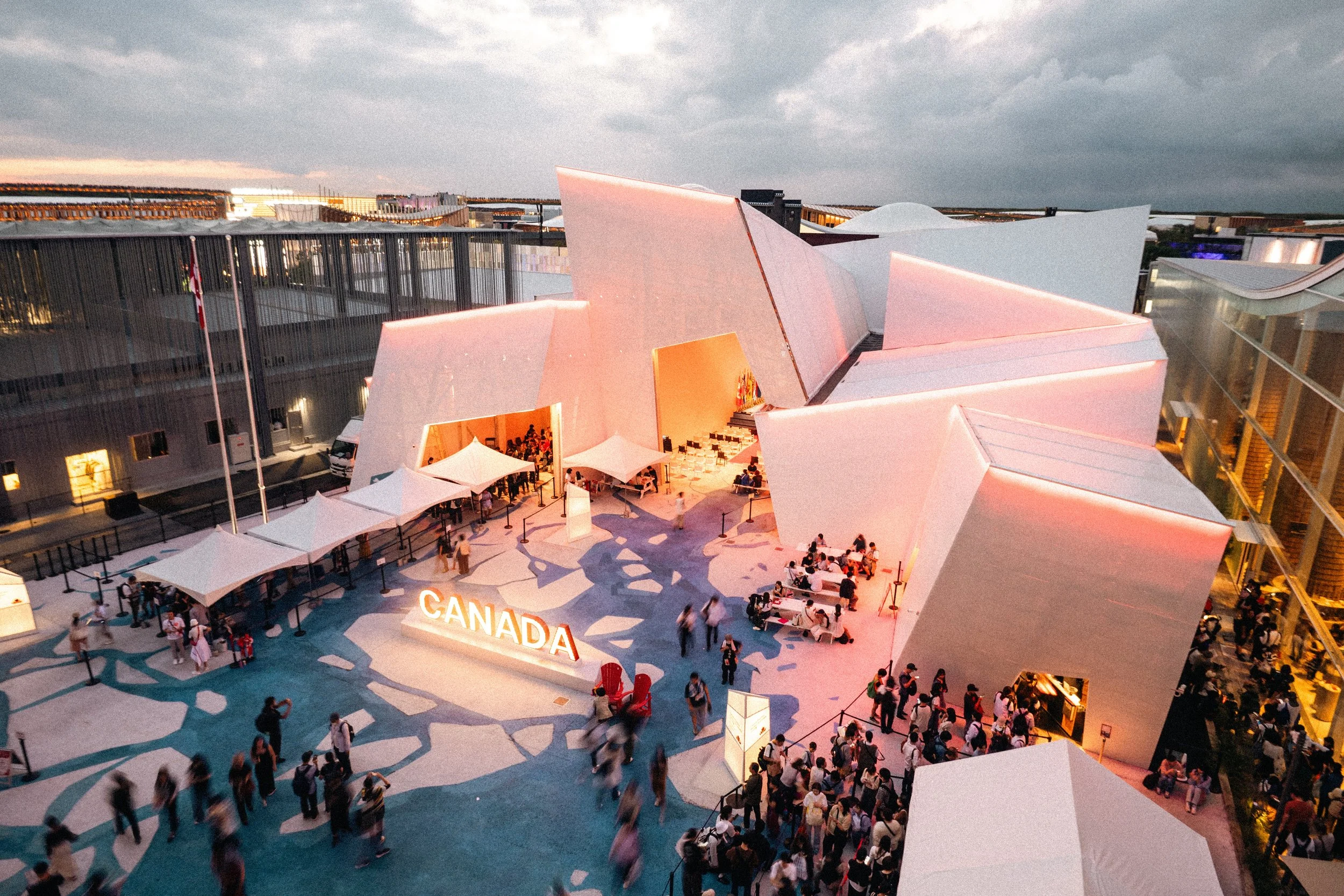
Canadian Pavilion from Expo 2025 Osaka
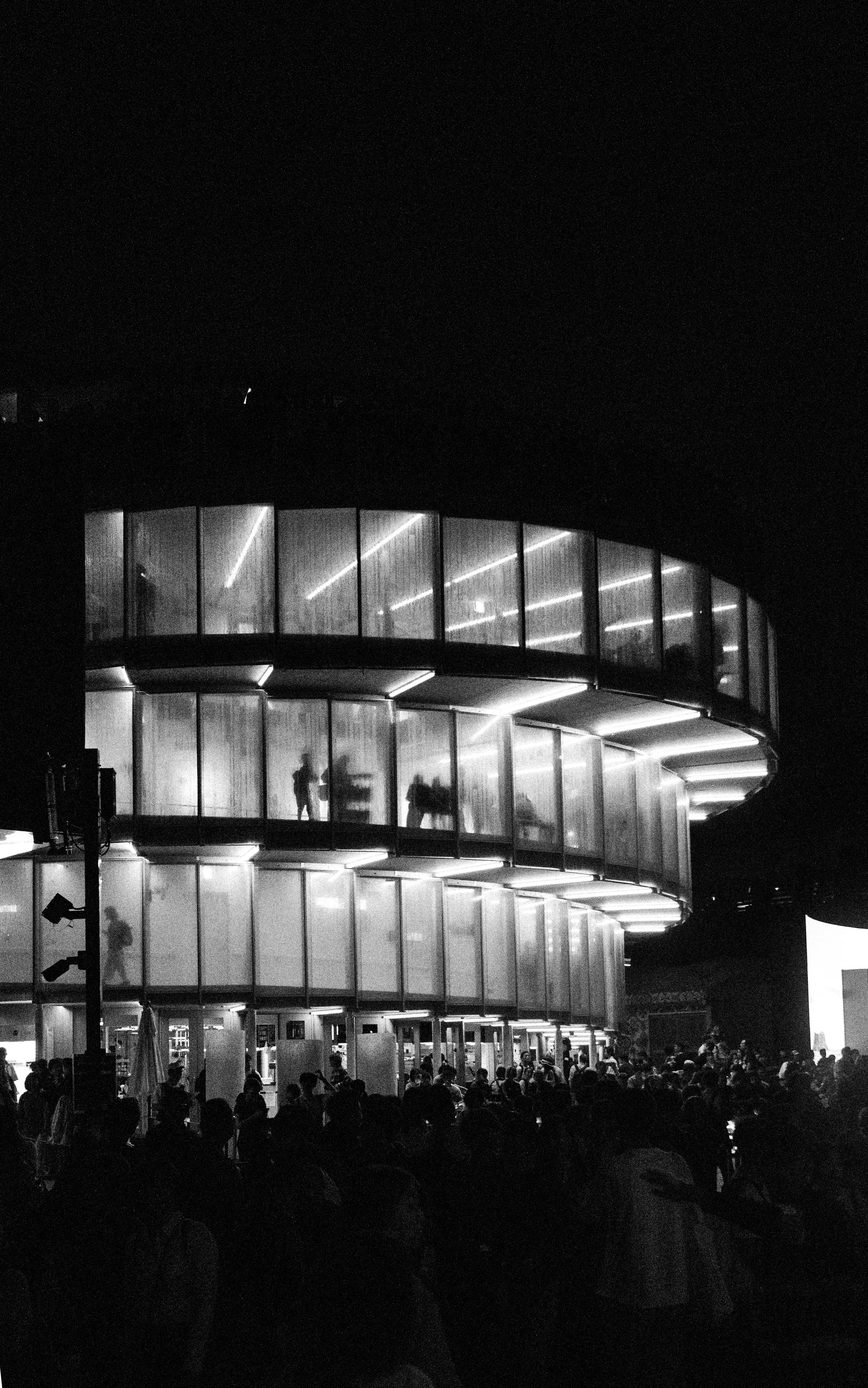
Czech Pavilion from Expo 2025 Osaka
As someone with a background in architecture, I naturally found myself looking at how each country used design to represent itself, but as a traveller, I was interested in what each one could teach me about a place I may or may not have visited before.
For a few months, this small island in Osaka had basically become its own little city, bringing pieces of the world together in one place.
For years, I had visited old Expo sites and tried to imagine what they must have felt like when they were full of people. This time, I got to be one of those people.
Maybe years from now I’ll return to Osaka and look for whatever remains of Expo 2025.
Only this time, I won’t have to imagine what it was like.