Antarctica
The Long Way South
by Joe Jackson
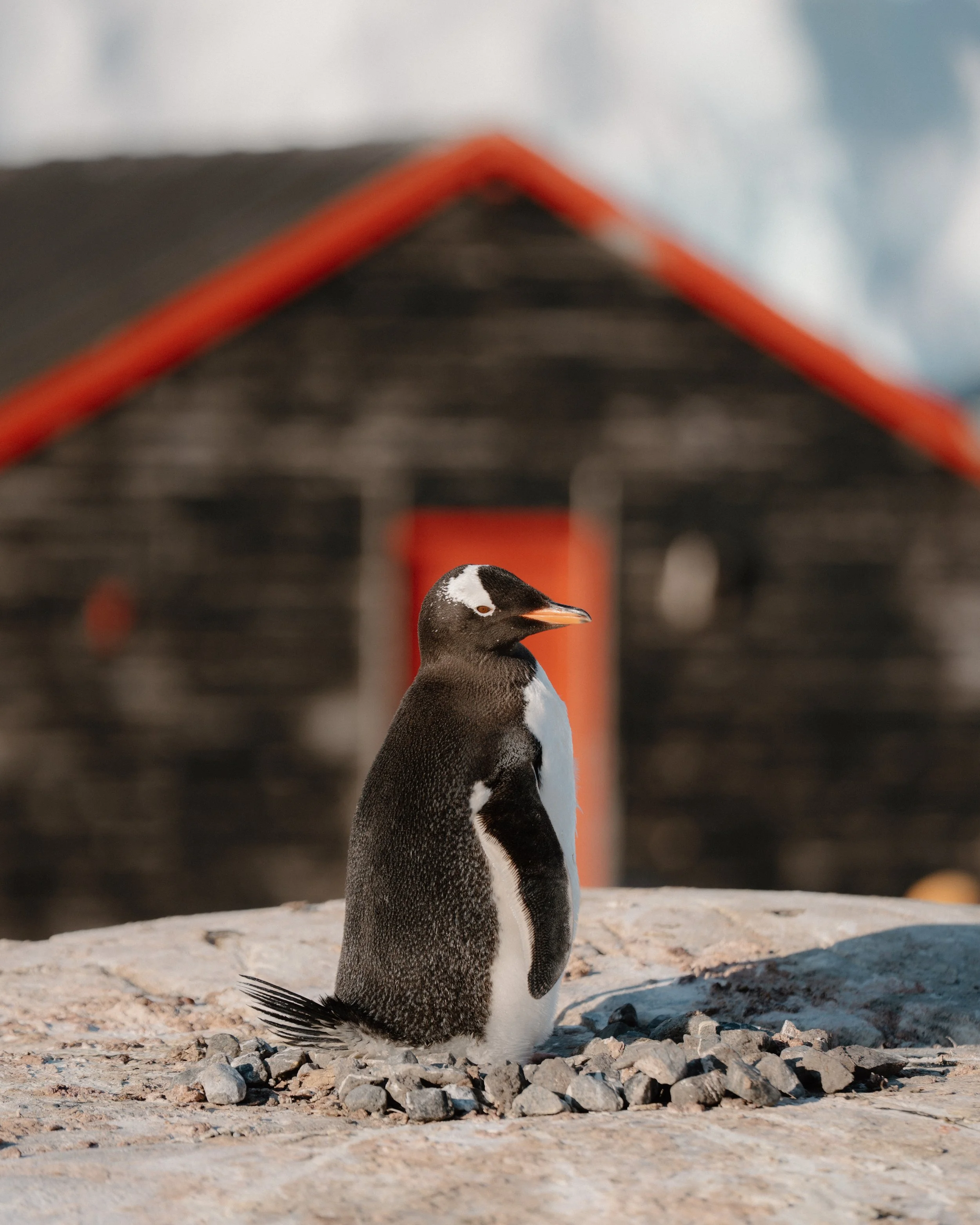
I had been desperate to visit Antarctica since I was a kid. It was something passed on from my Dad, who spent 10 years working the ice aboard research ships with the British Antarctic Survey in the 1990s. The walls of the family home were adorned with pictures of icebergs, penguins, and glaciers among other things. It was the ultimate adventure; somewhere, somehow, I simply had to see it for myself one day, ingrained in me from a very young age. But as the years went by and job applications in this sector came and went, I started to wonder if I’d ever make it down there.
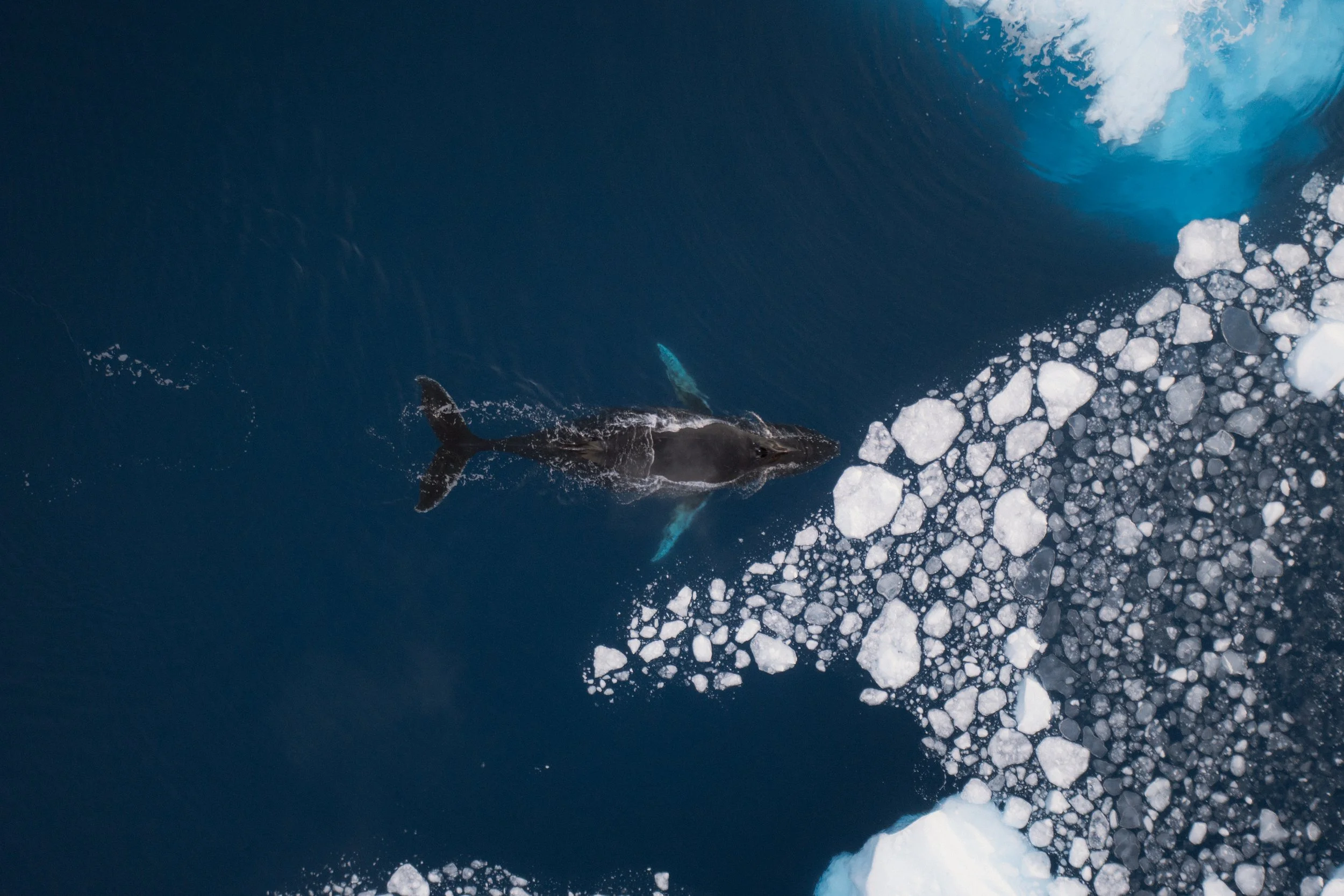
Life has a funny way of working out. I’d just left a job which was not for me and was struggling to find any real leads for future employment. Sure, a rare advert for my specific role had just come up with the British Antarctic Survey, but given the unsuccessful nature of the six previous applications with them in the preceding years, I wasn’t holding my breath.
An offer of an interview. Progress. A post-interview phone call from a withheld number. “Mr Jackson, this might be short notice, but we really took a lot from your interview. Could you possibly fly out of the UK to the Falkland Islands on Sunday afternoon?”
For context, this interview was on a Thursday.
This Sunday? Yes. This Sunday.
As you can probably imagine, I was on that flight.
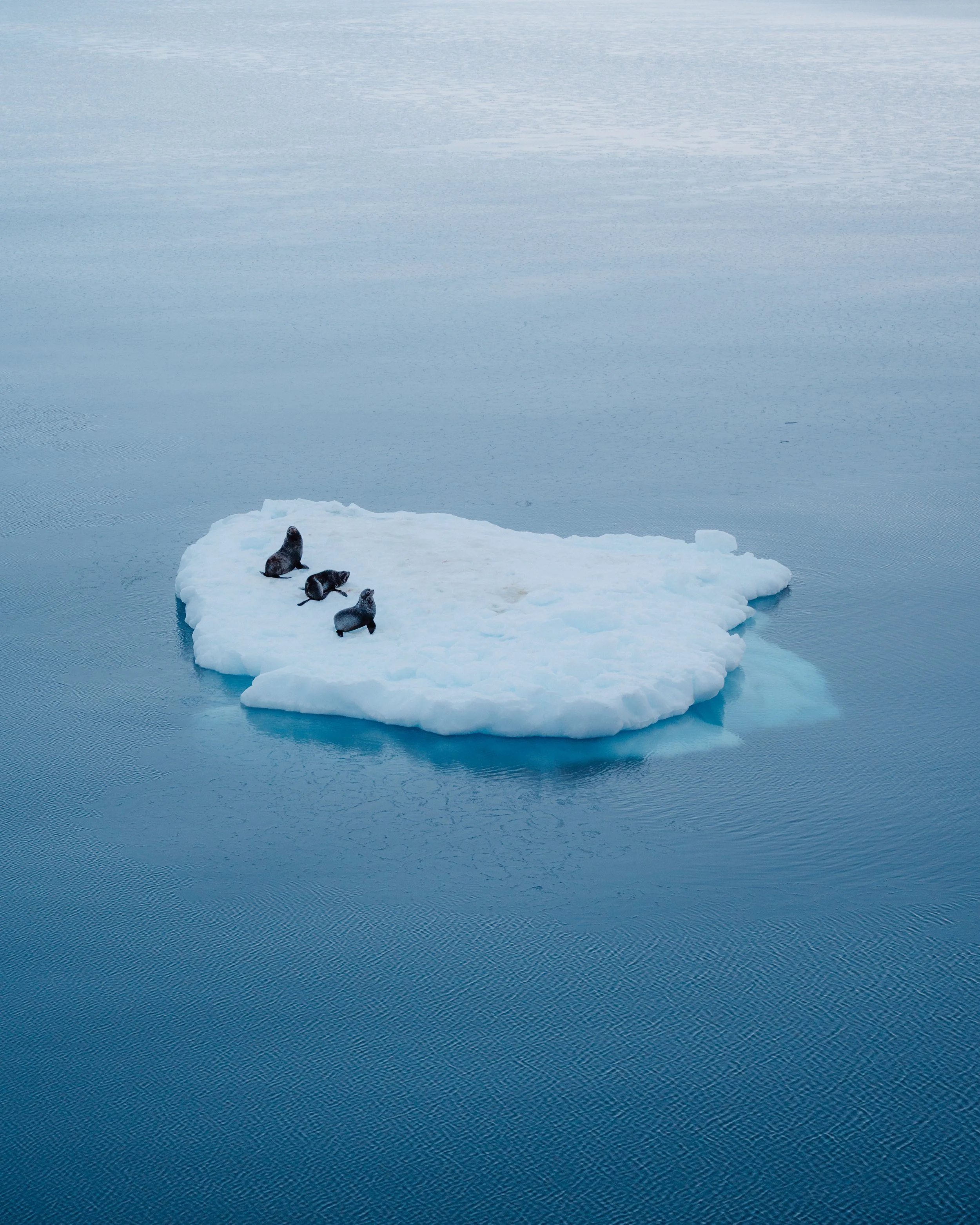
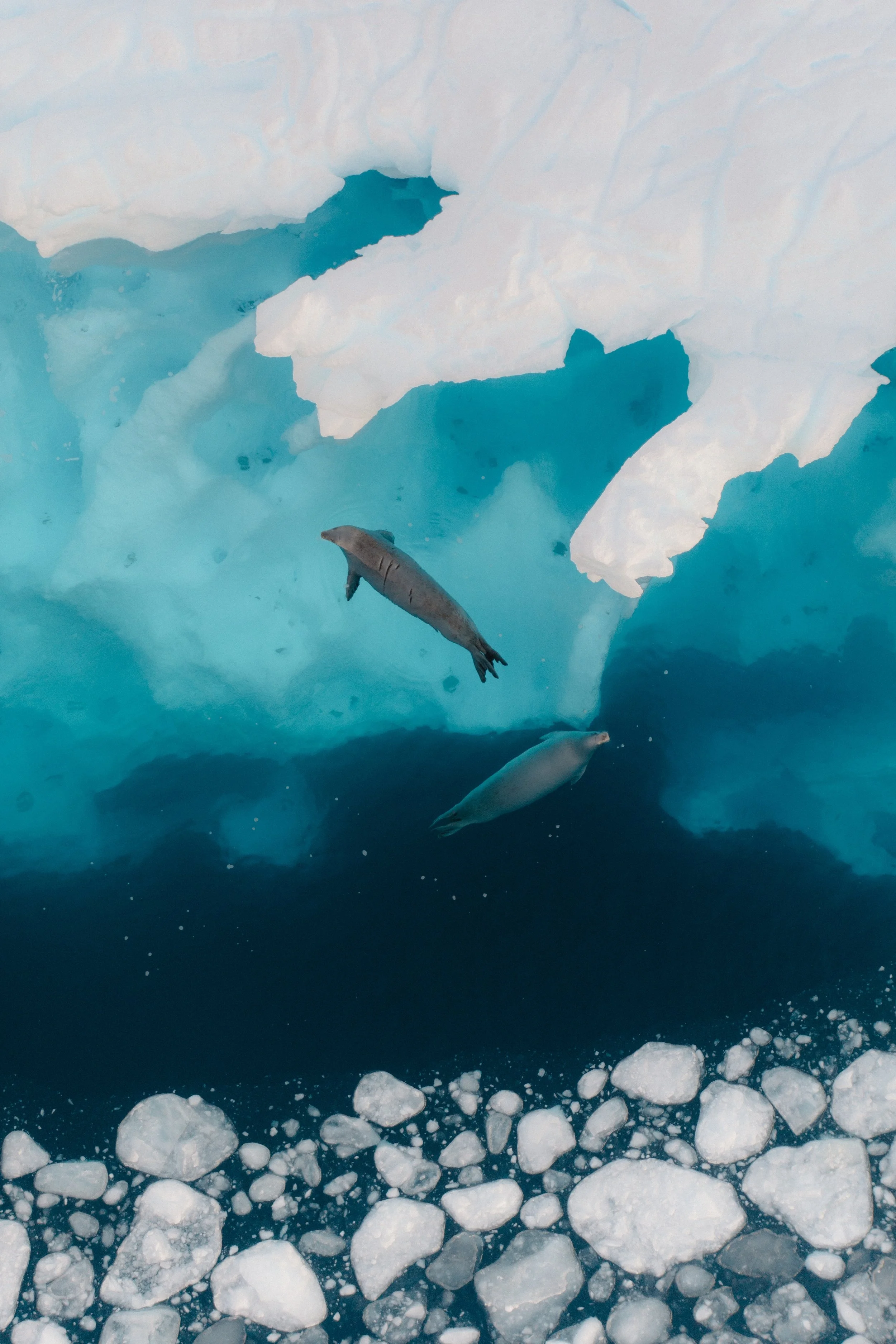
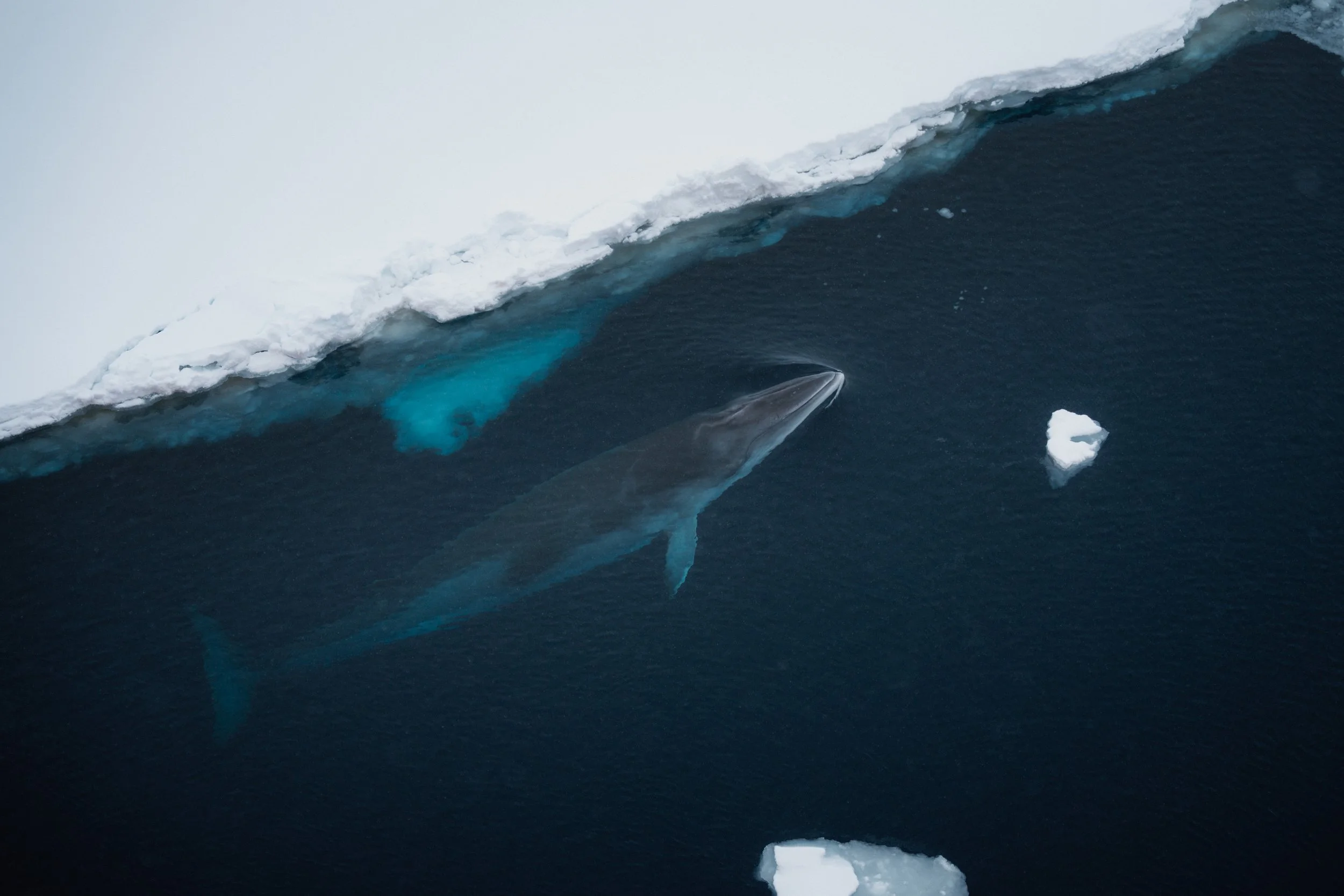
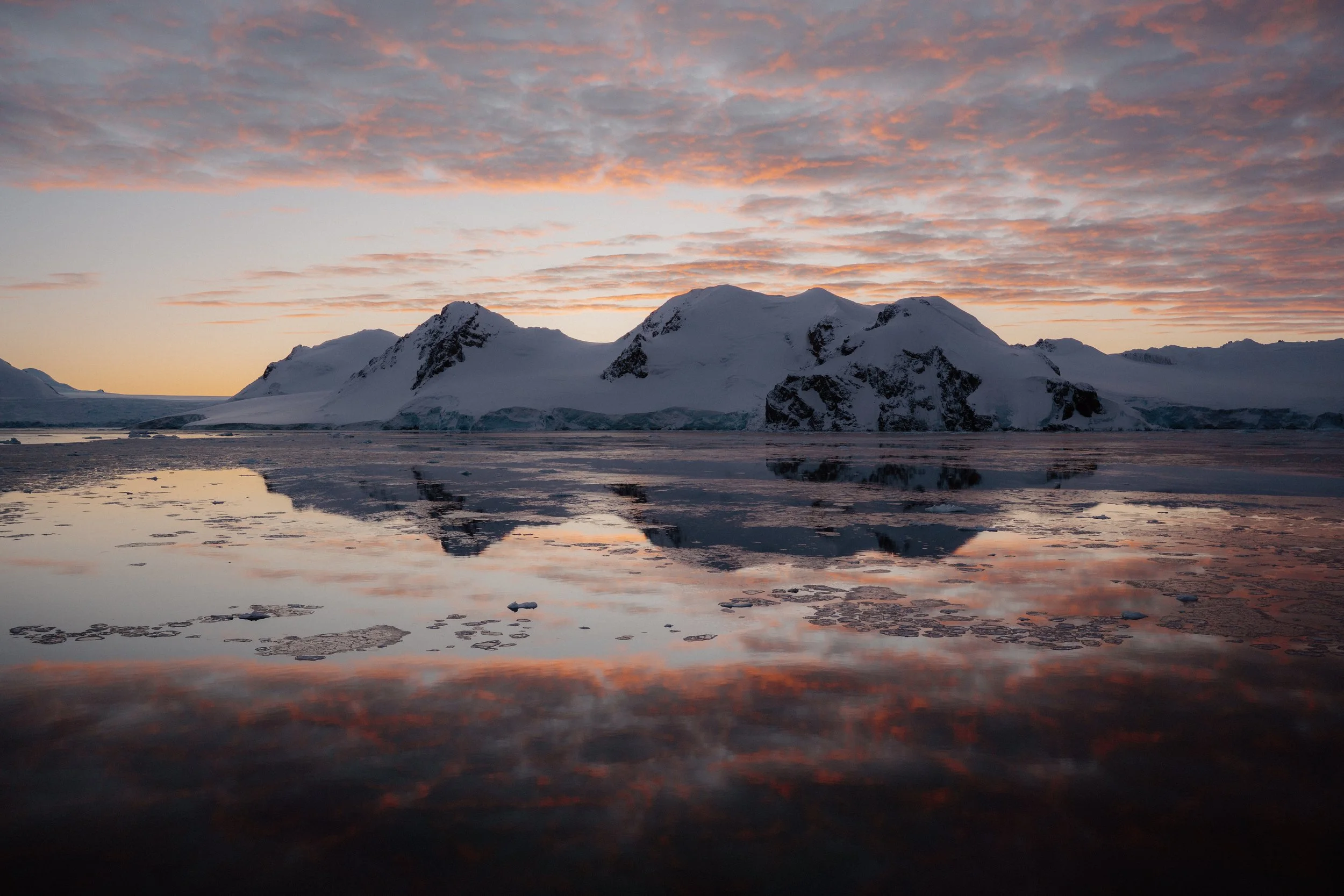
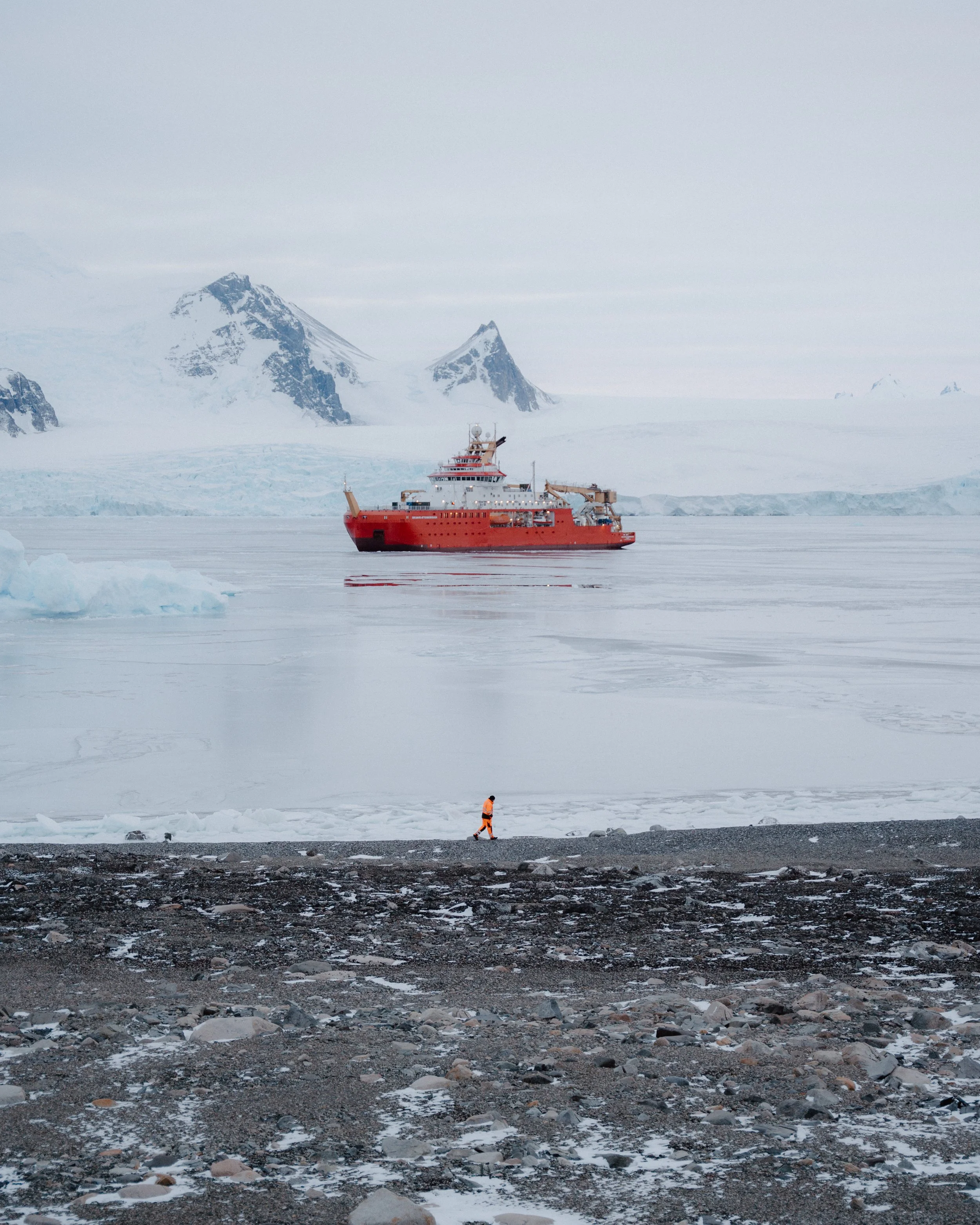
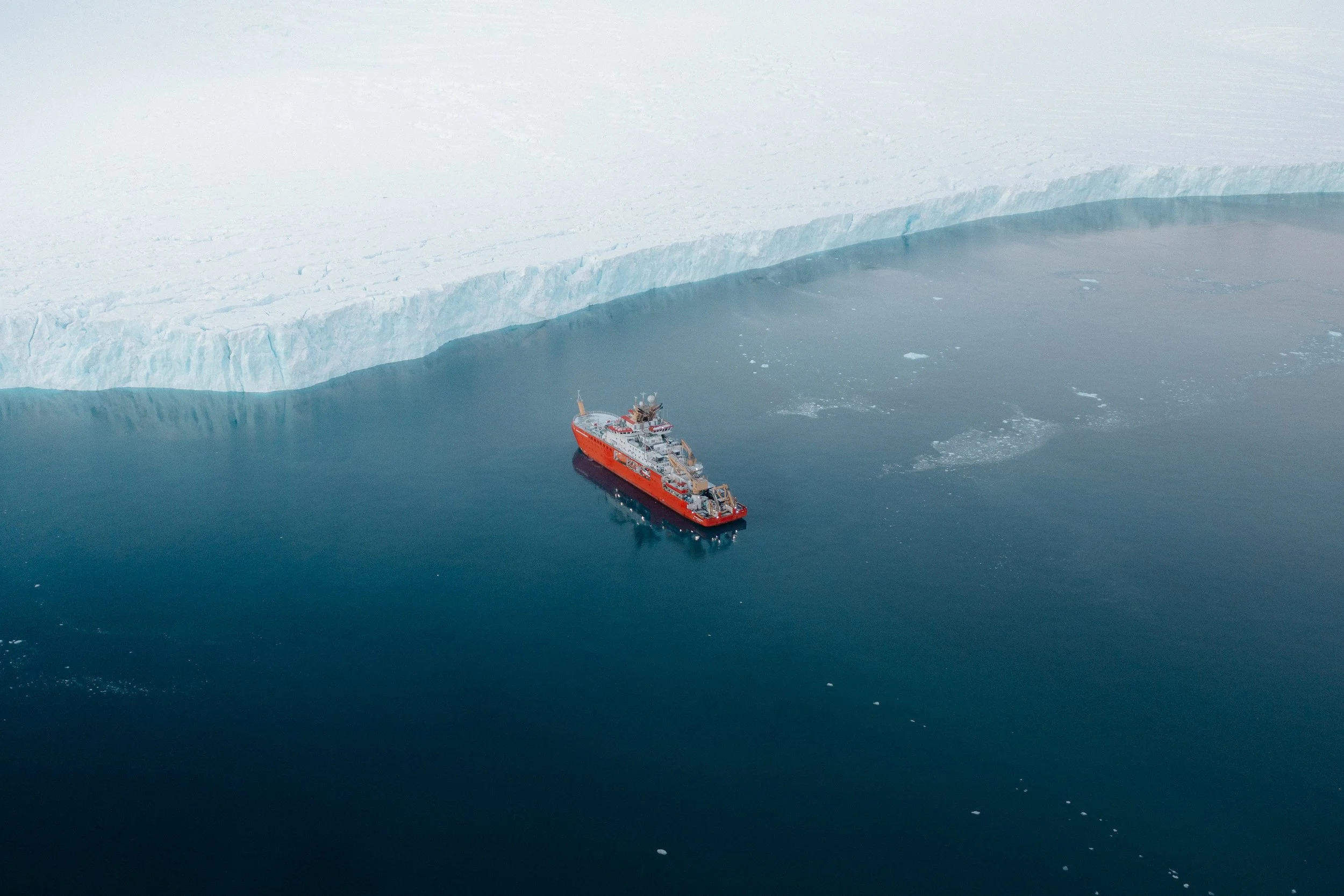
Anyway, photos, Antarctica, yes. I’ve just embarked aboard the Royal Research Ship Sir David Attenborough (SDA) for my third stint since that interview, and each time Antarctica is always as mind-bendingly, soul-searchingly, and staggeringly beautiful. SDA is a purpose-built Polar Class 4 icebreaking scientific research vessel, and I was now permanent ship’s crew on board.
The first visit down south was a historic one. Not just for me, but for British polar exploration in general. SDA, conducting her first winter science cruise, became the first British ship to spend Midwinter’s Day in Antarctica since Shackleton’s Endurance well over 100 years prior. The ultra-privilege to land ashore at Point Wild that day was a life highlight. That exact spot was where Shackleton’s men had spent four months enduring and surviving while awaiting rescue. Tangentially, if you are unaware of Shackleton’s story of survival, it is perhaps worth a quick look. It is indeed quite an astounding account of human fortitude.
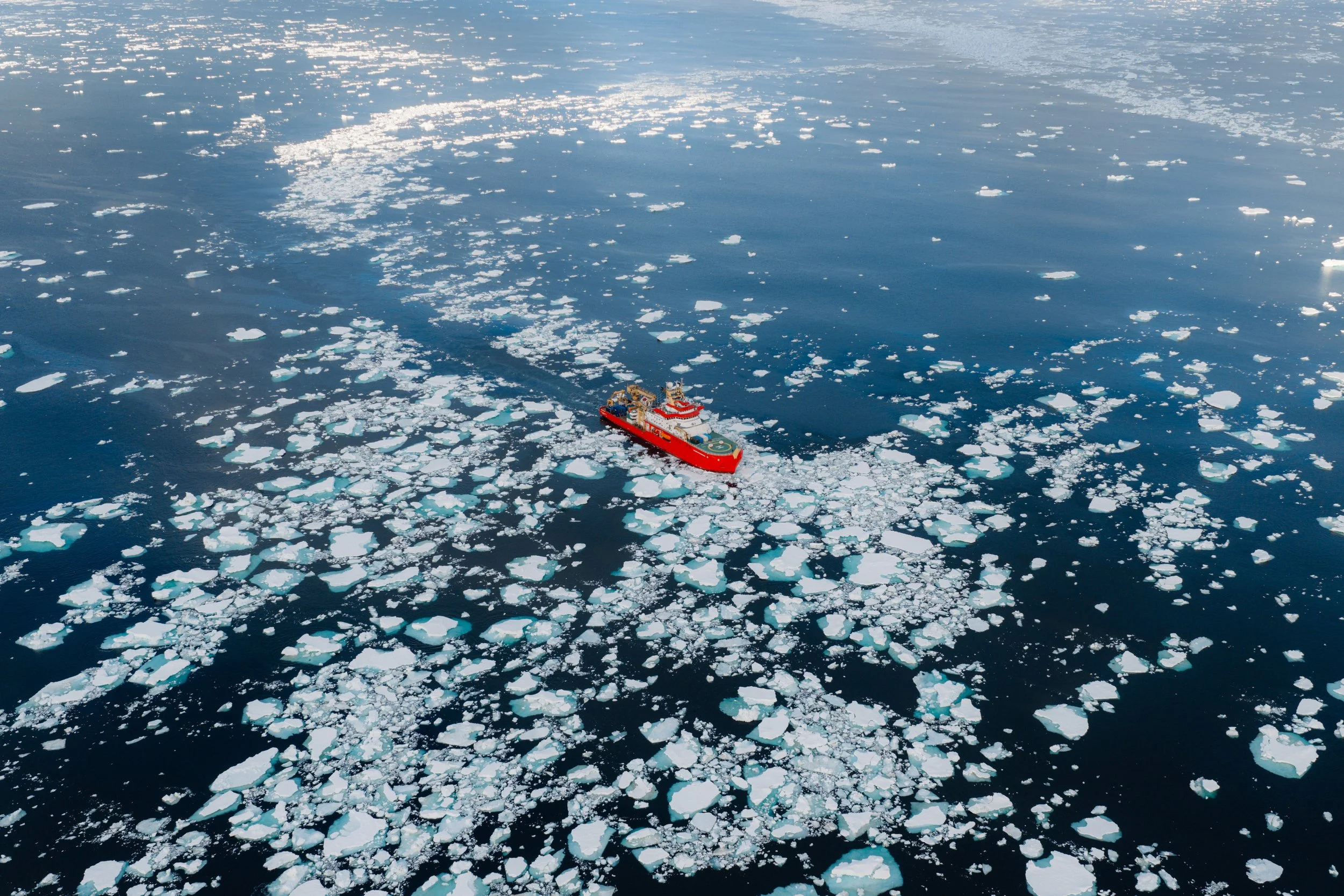
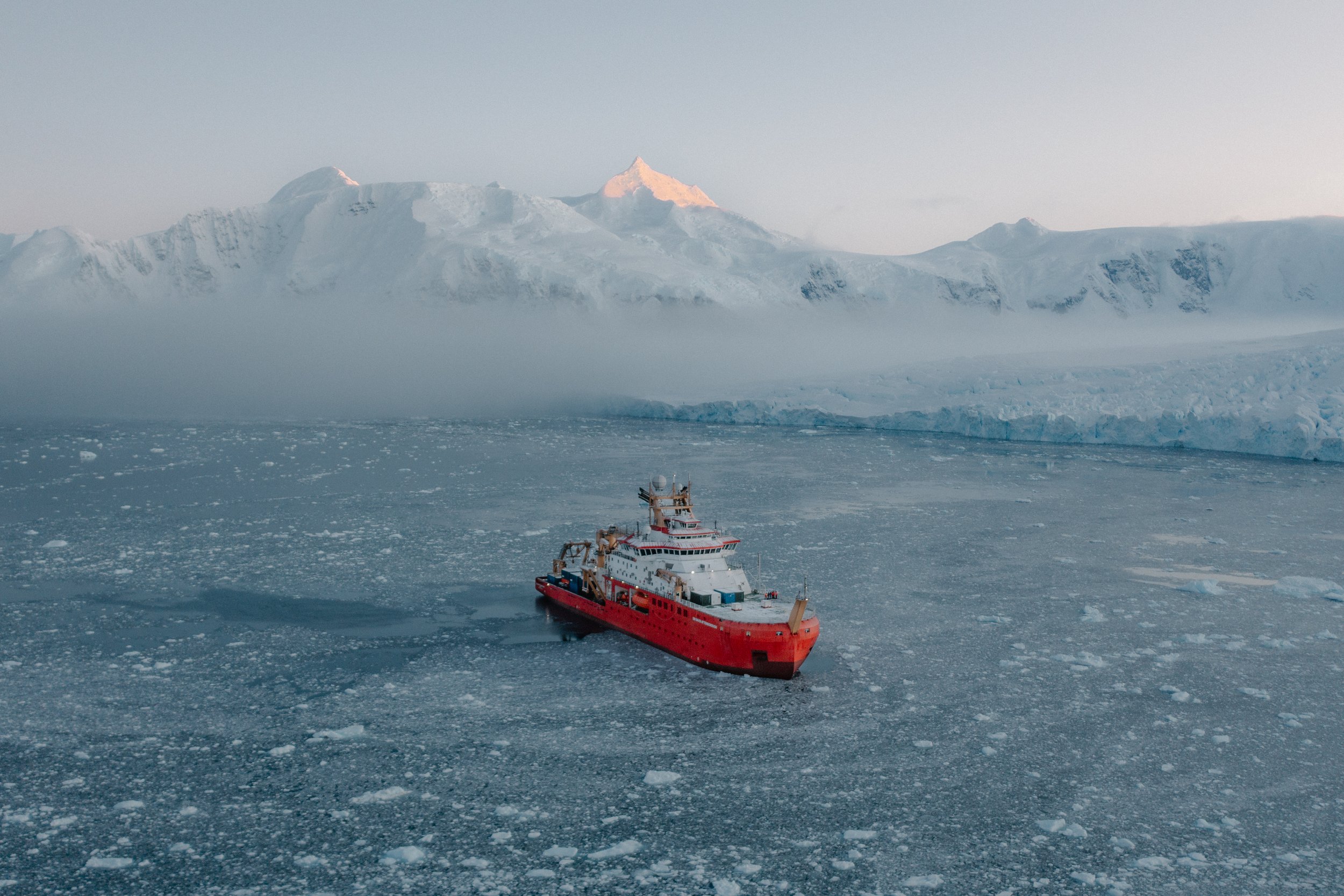
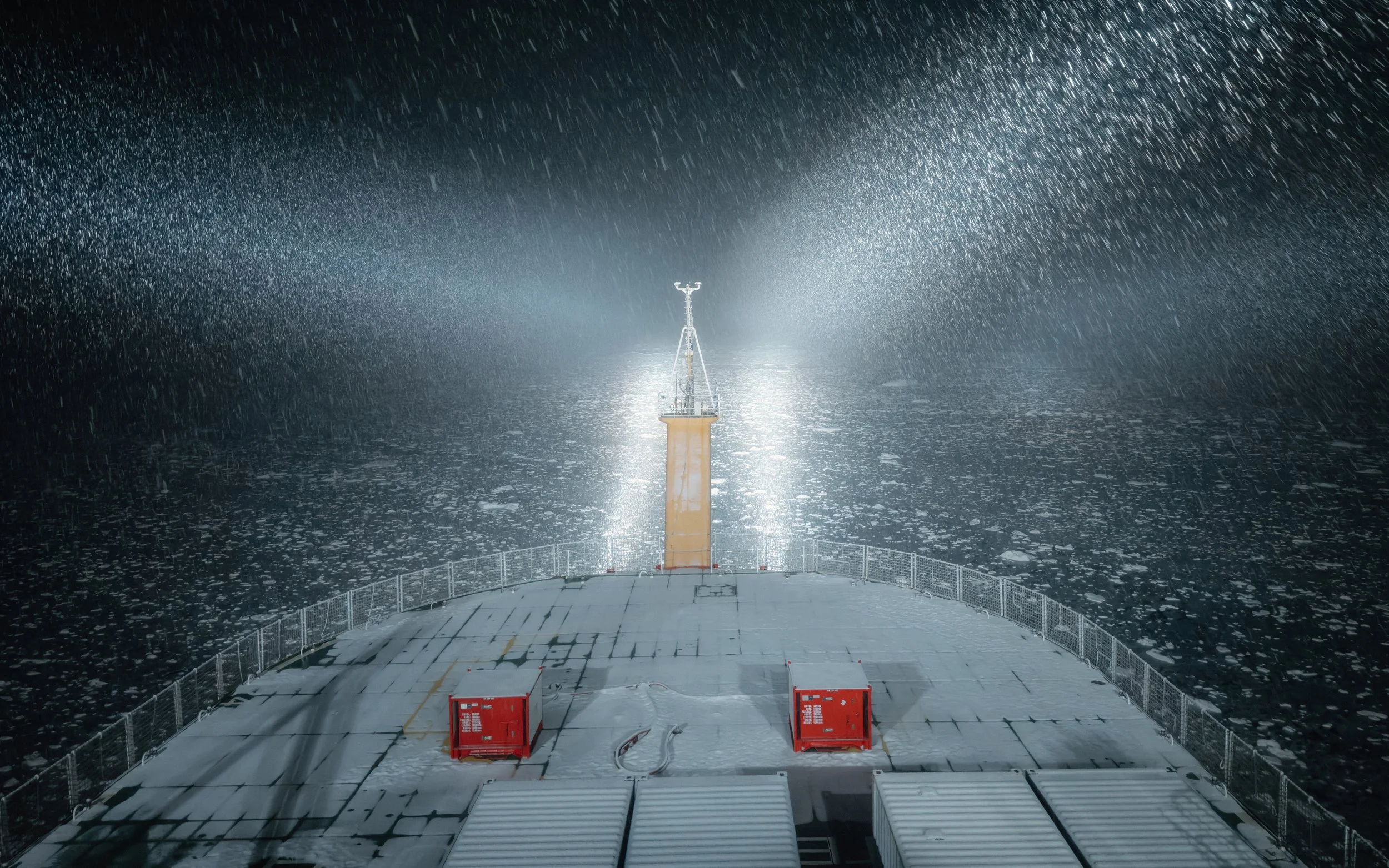
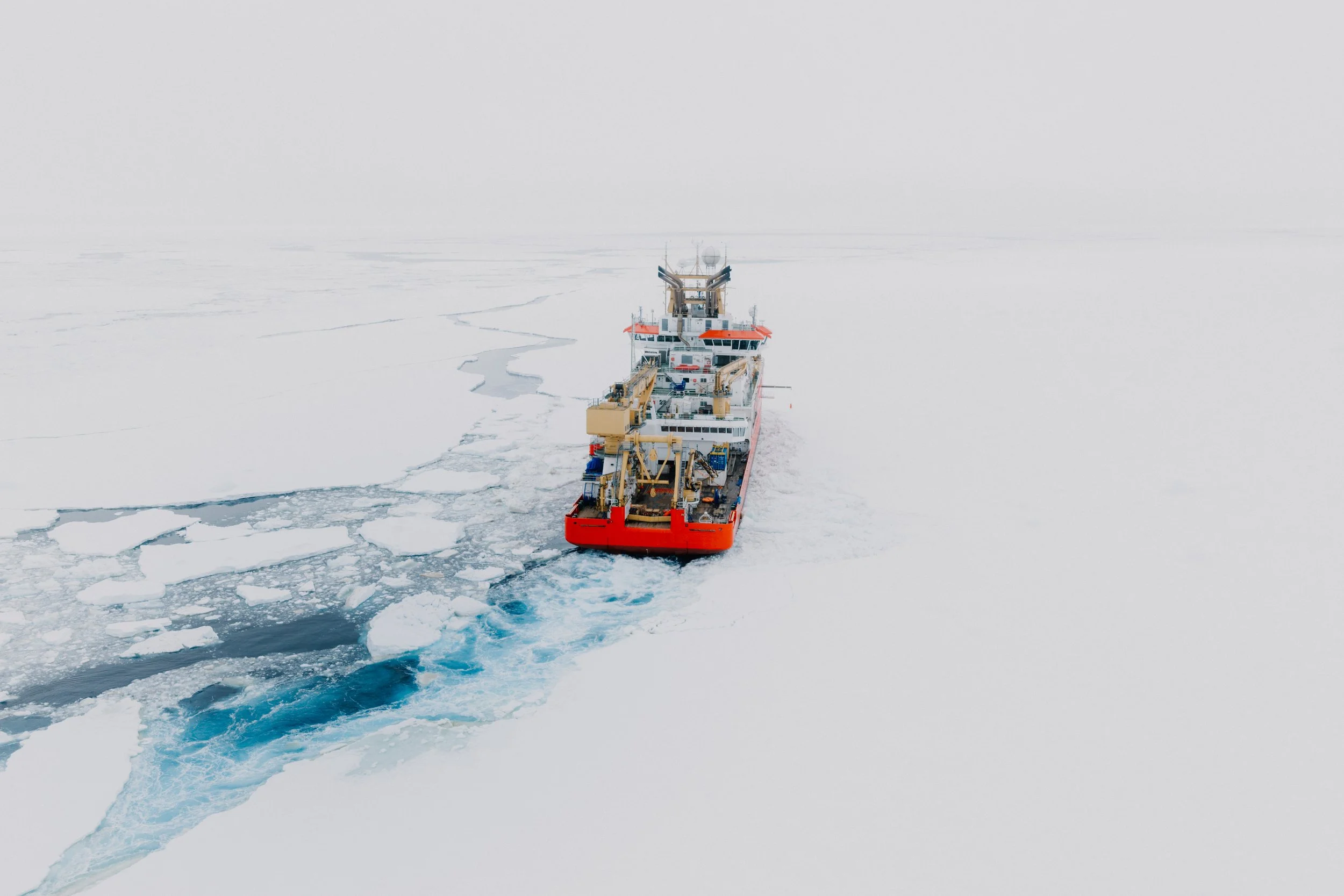
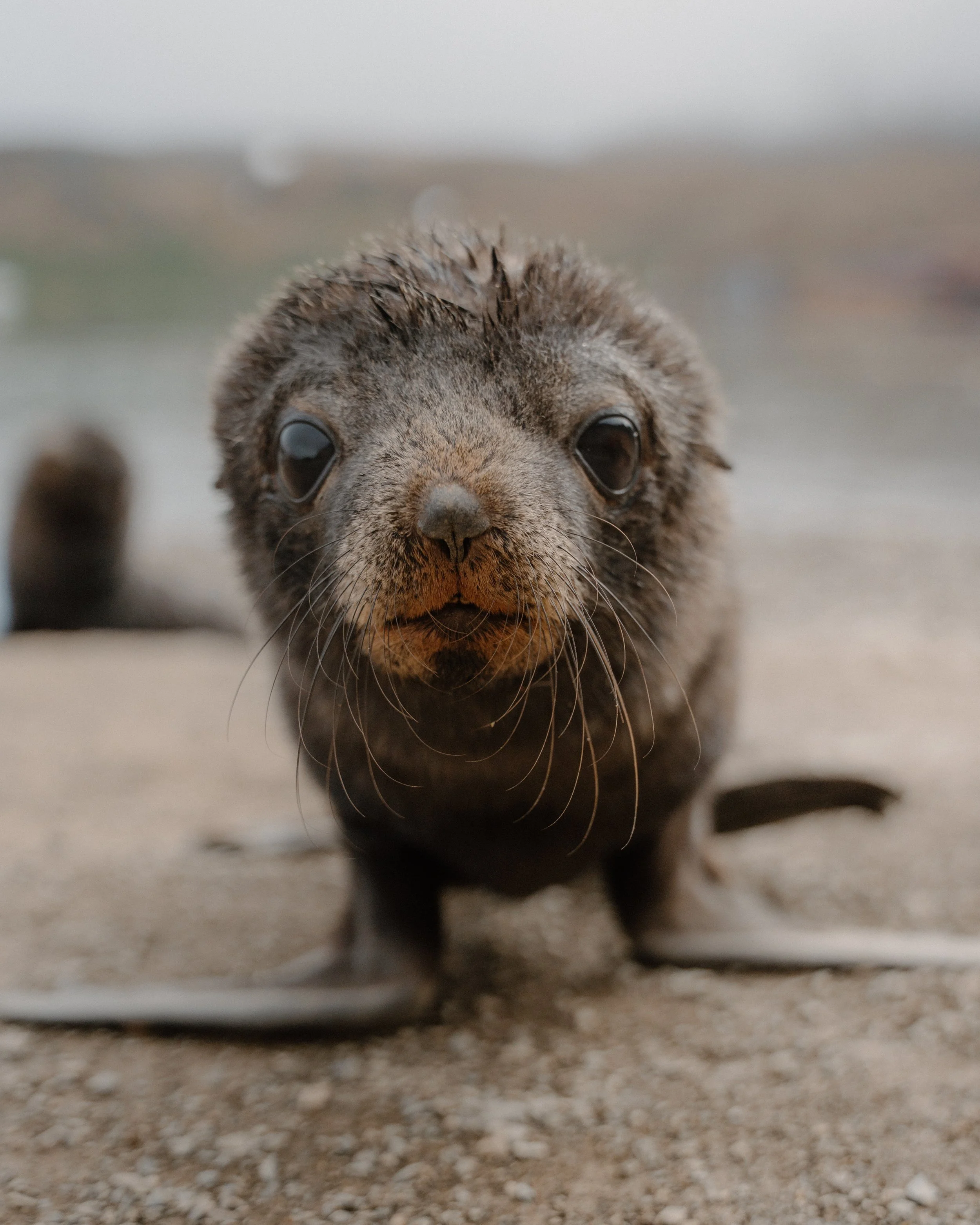
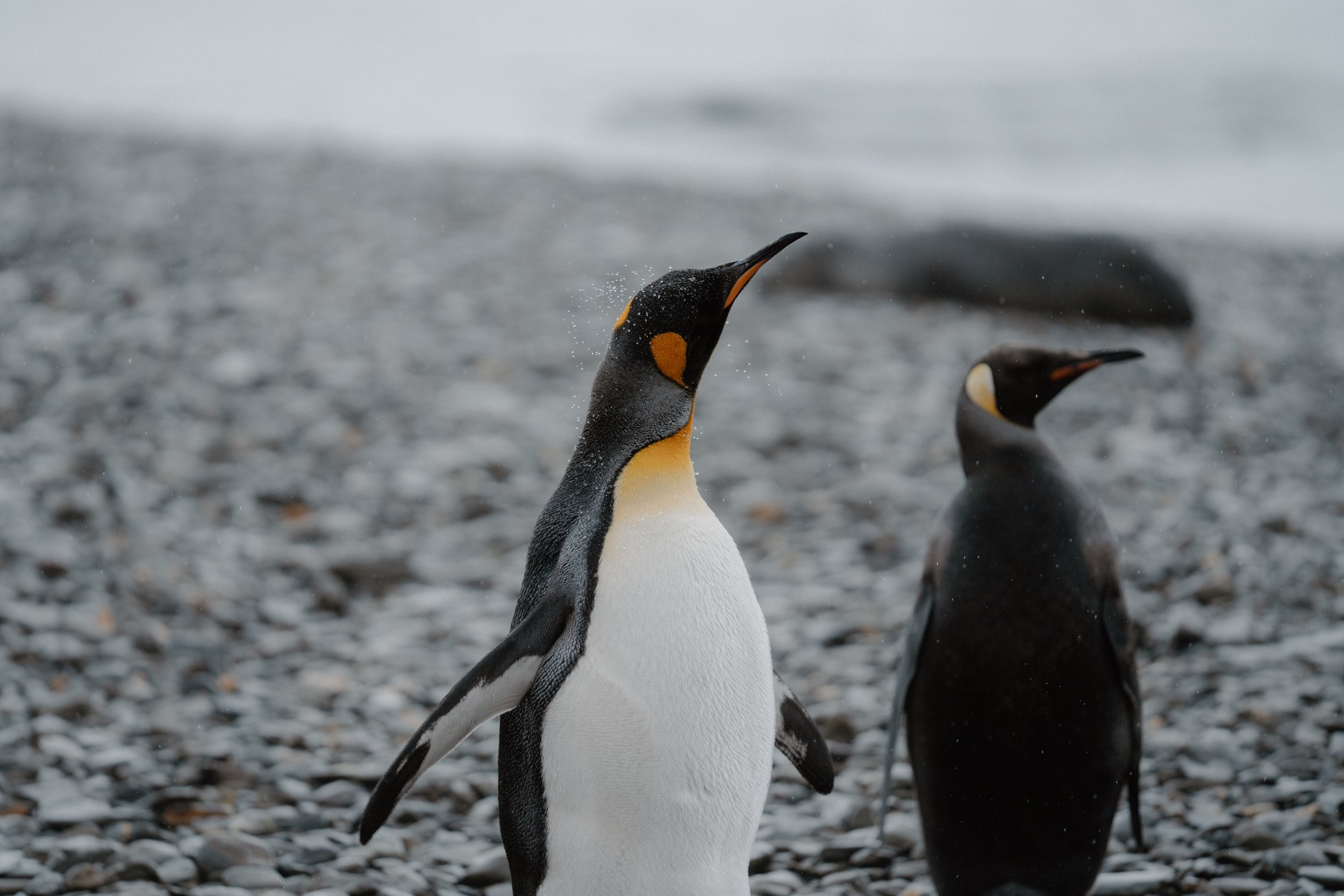
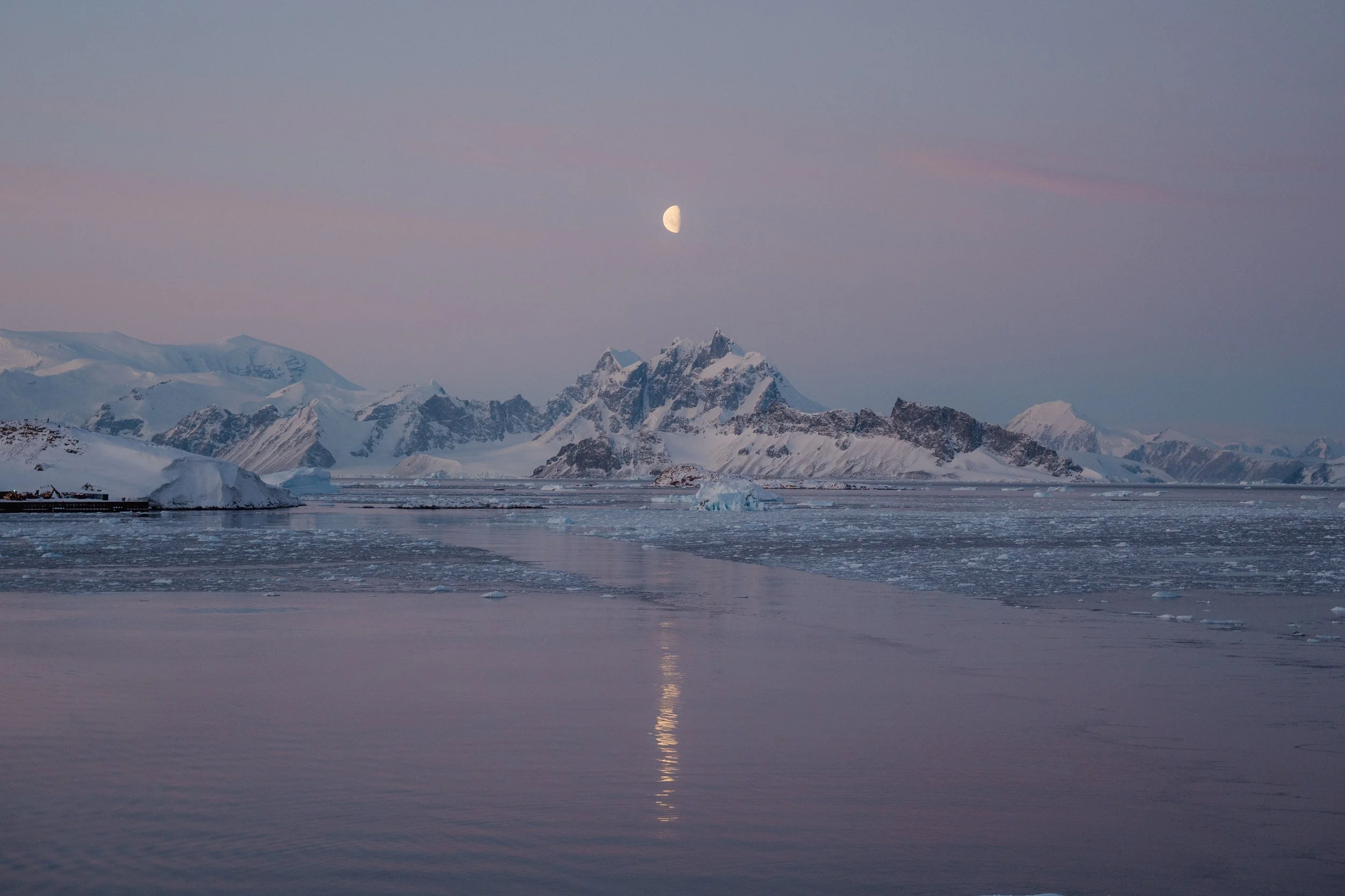
My second stint onboard was a logistical supply run, the ship delivering cargo to the British research stations in Antarctica. From the near 24-hour darkness of the previous trip to the 24-hour polar daylight this time was quite the adjustment. My first experience of the midnight sun was a spectacle to behold. Unforgettable visits to research stations at Rothera, Signy Island, and King Edward Point on the sub-Antarctic island of South Georgia were as informative as they were incredible.
With the Antarctic season typically lasting around six months, I have now embarked on my third trip aboard, and enticing visits to far-flung corners of Antarctica once again are on the schedule for both science and resupply. And with luck, my camera will be in hand.