Please introduce yourself and tell us a bit of who you are.
Hello Everyone! My name is James Nguyen. I’m originally from Toronto and now based in Vancouver, where I work as an architectural photographer and visual storyteller. I’ve called myself a lot of different kinds of designer over the years. I studied architecture and have worked in architectural design, museum exhibit design, and graphic design before eventually finding my way more seriously into photography.
I think moving between all of those creative fields has shaped how I see things. Architecture taught me to think about space, scale, material, and light. Exhibit design introduced me to storytelling and how people move through and experience something, while graphic design changed the way I think about composition and communicating an idea visually. Photography became a place where all of those interests could come together.
That same curiosity is what eventually brought me to STADE as an editor. It gives me another way to explore architecture, art, travel, and the people behind creative work. Whether I’m photographing a building, travelling somewhere new, or working on a story for STADE, I think it all comes back to the same thing for me, being curious about places and the people who give them meaning.
Can you tell us about your journey as a photographer and where it started for you.
Photography really started for me while I was studying architecture. A big part of architecture school is learning how to communicate your work, and a lot of that you figure out on your own. It could be through drawings, physical models, diagrams, or documenting all the different explorations that led to a final design. I started using photography as another way to explain my projects and the more I used photos to communicate my work, the more interested I became in photography itself.
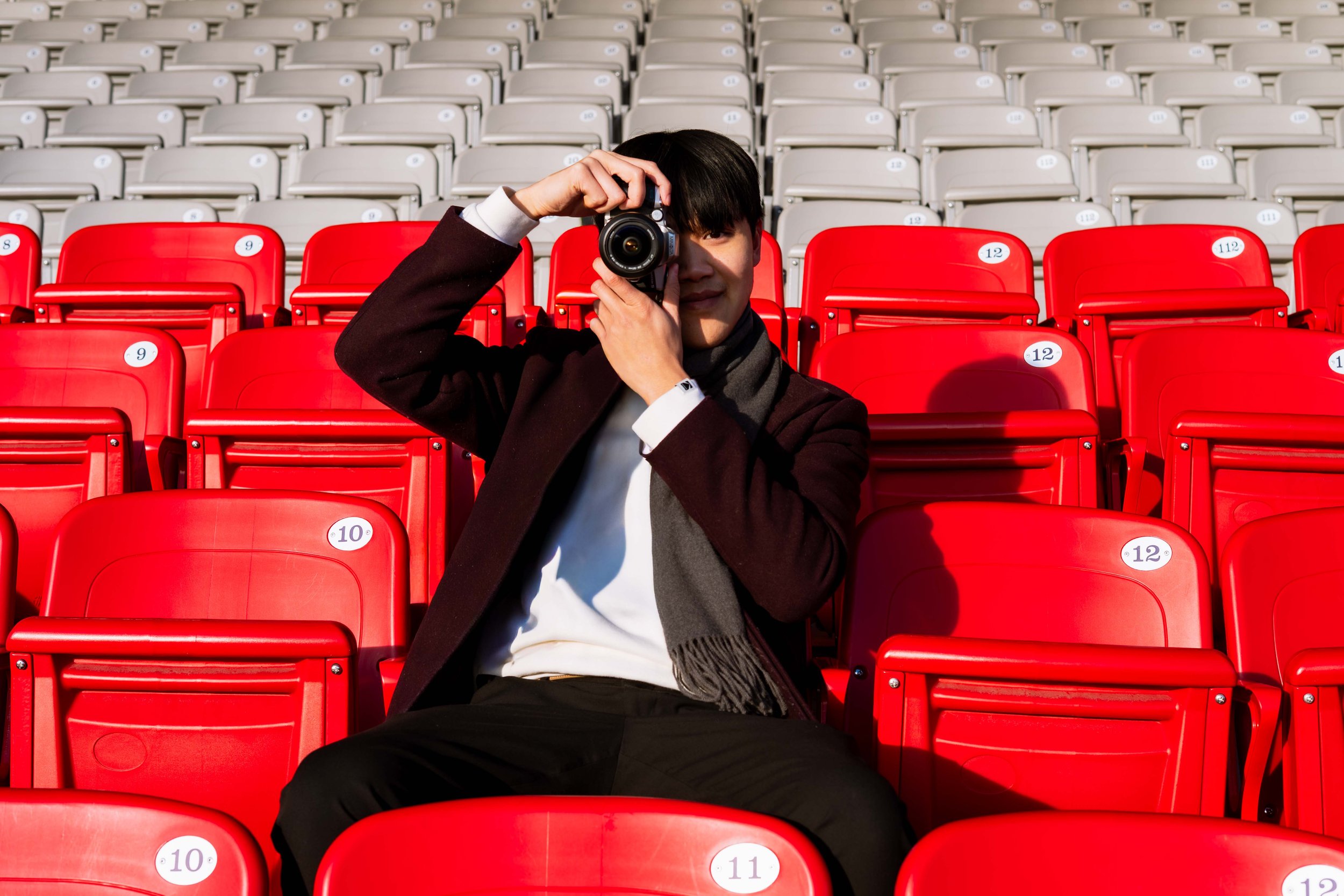
Eventually, when I was 20, I bought my first camera, a Nikon D5300 DSLR. At the time, I don't think I had any idea that photography would become such a big part of my life. It was really just another tool for architecture that slowly became something I wanted to explore on its own.
How would you describe your photography today, and how has it changed over the years?
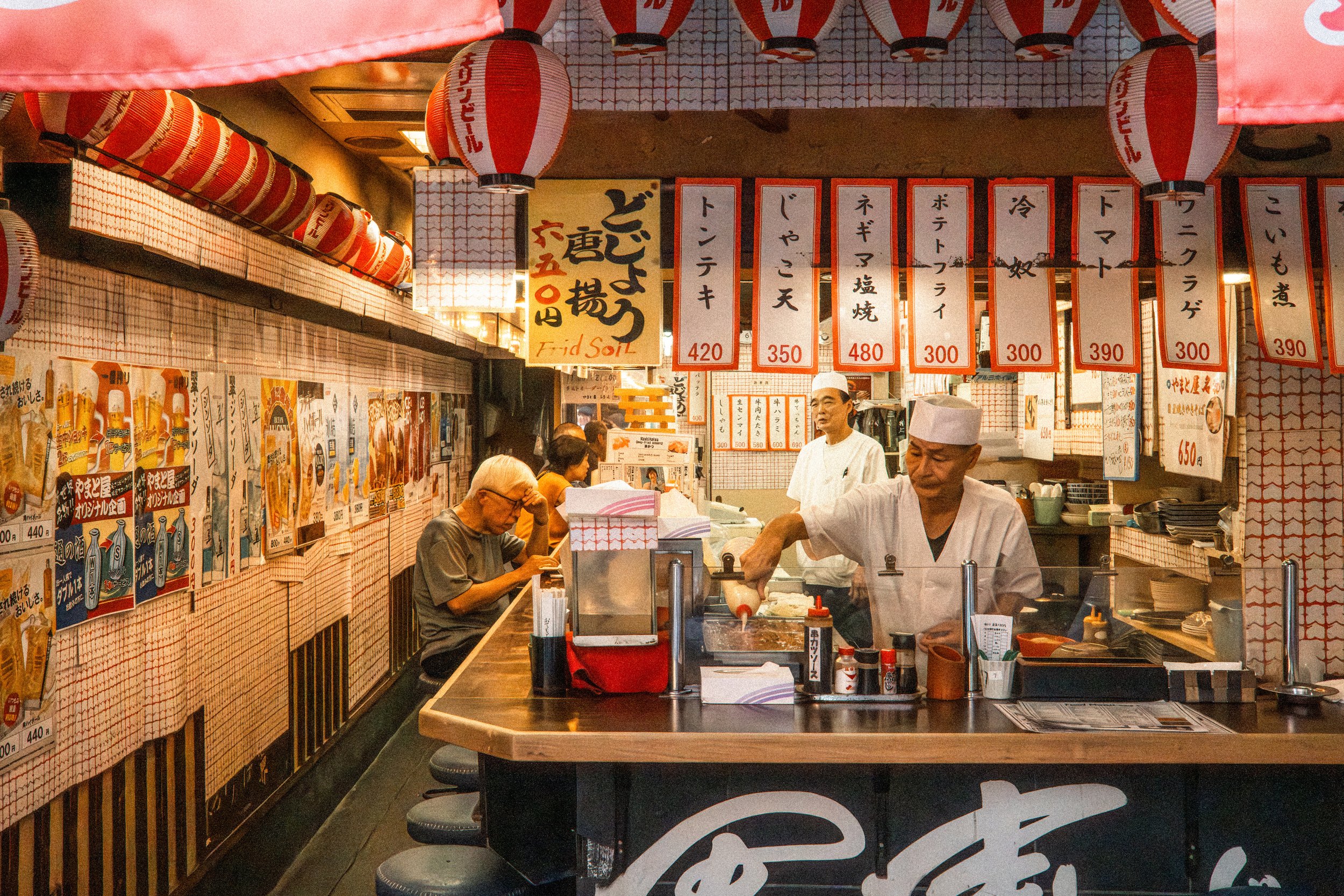
I started shooting over 10 years ago, and a lot of my early photography was very architecture-driven. It wasn’t until my first major international trip to Japan in 2016 that my perspective really started to open up. It made me realize how much of the world I wanted to see and document, and I became more interested in how people see and explore the world around them. I wouldn’t necessarily call it street photography at that time, but more about documenting how I and others moved through and experienced places.
I would say my photography has evolved the most in the last two years. A big turning point was meeting Simon and James at the first photowalk I ever attended. I had photographed alone for years and didn’t realize how important having a creative community could be. Being around other photographers, sharing work, and seeing how differently everyone interprets the same place pushed me to experiment more and expand beyond architecture into travel, street, lifestyle, and landscape photography, while always being open to trying something new.
When you go out with your camera, do you usually have something in mind or do you prefer to wander and see what you find?
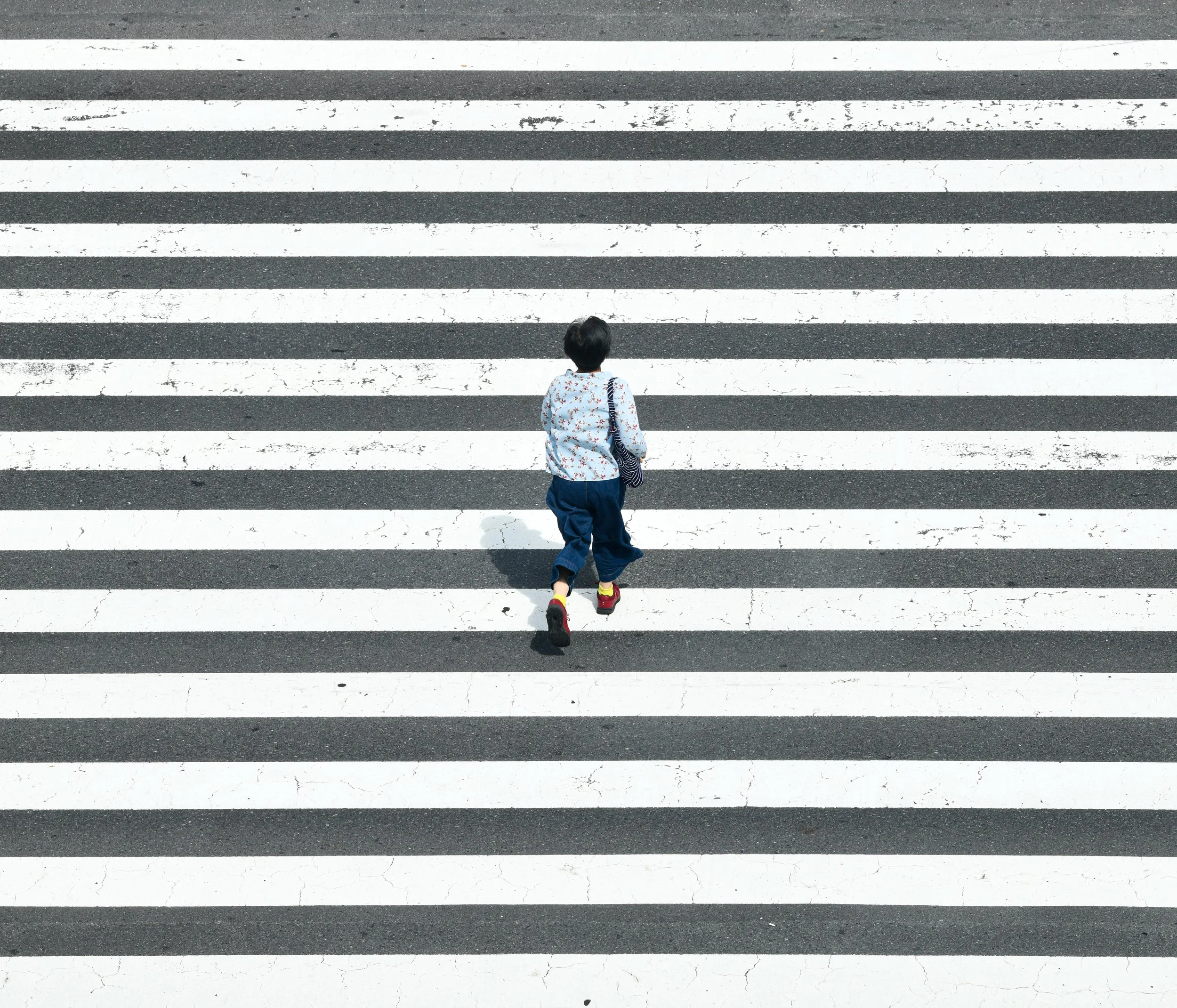
I usually prefer to wander and see what I find. Michel de Certeau’s essay “Walking in the City” has been a persistent influence on how I’ve developed my process and approach to photography. His idea of experiencing and understanding a city by moving through it, rather than simply observing it from a distance, has always stuck with me.
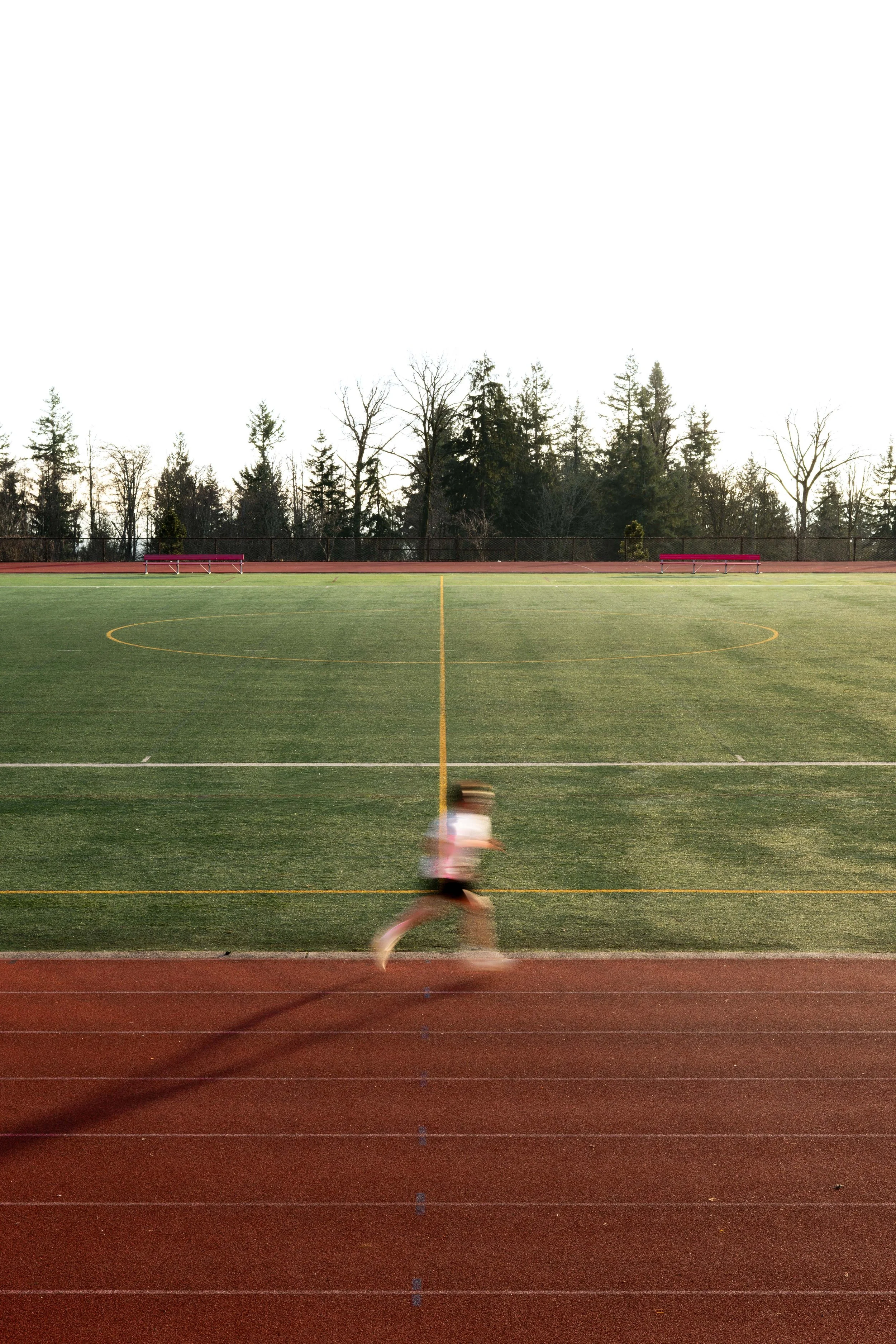
Of course, there are usually a few buildings or places I really want to see, but I try not to plan everything around them. I like walking between destinations, meeting people along the way, hearing what locals suggest, and sometimes creating stories with the people I meet. A lot of my favourite photographs come from those in-between moments I could never have planned.
Is there a photograph or series you've made that changed the way you thought about your own work?
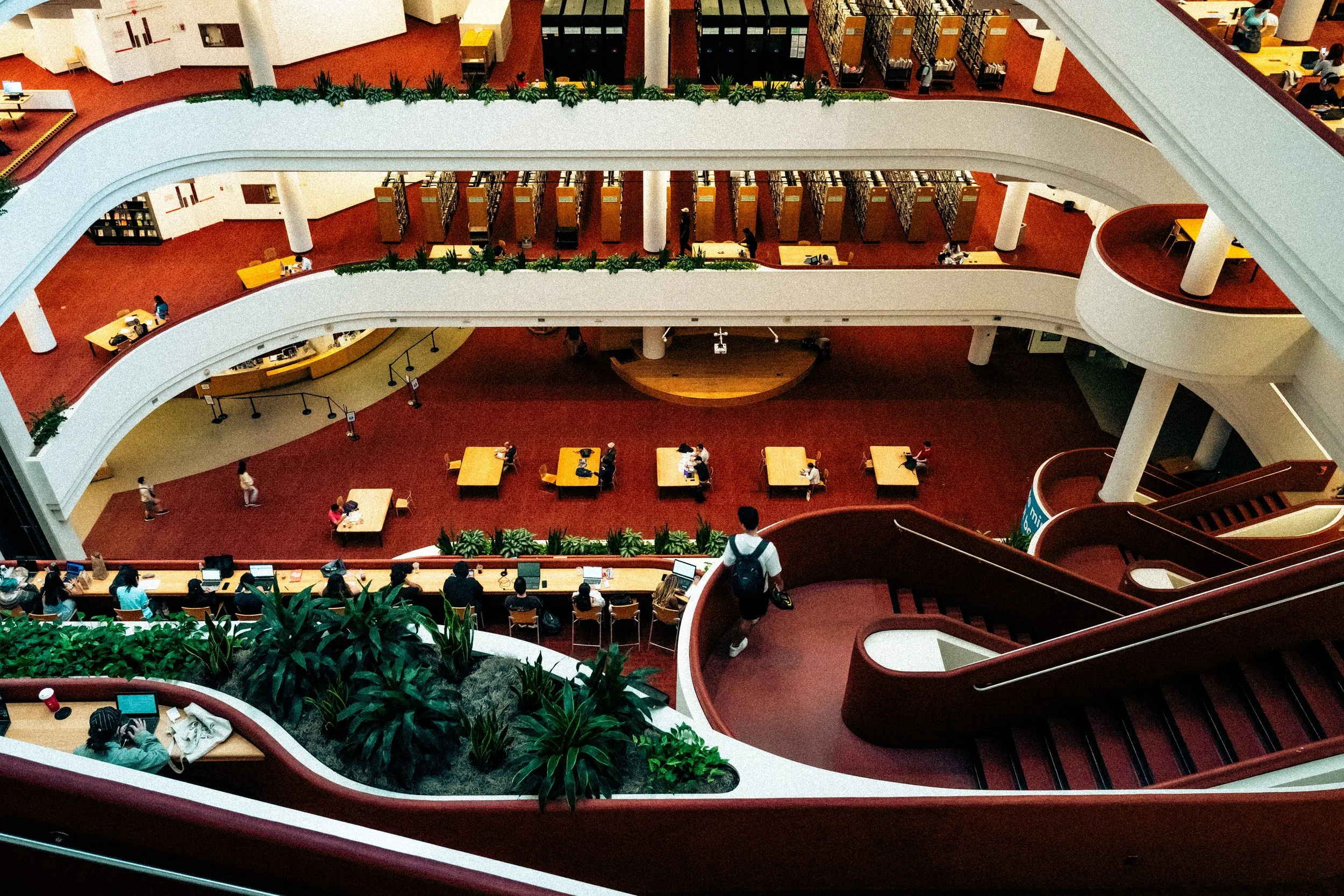
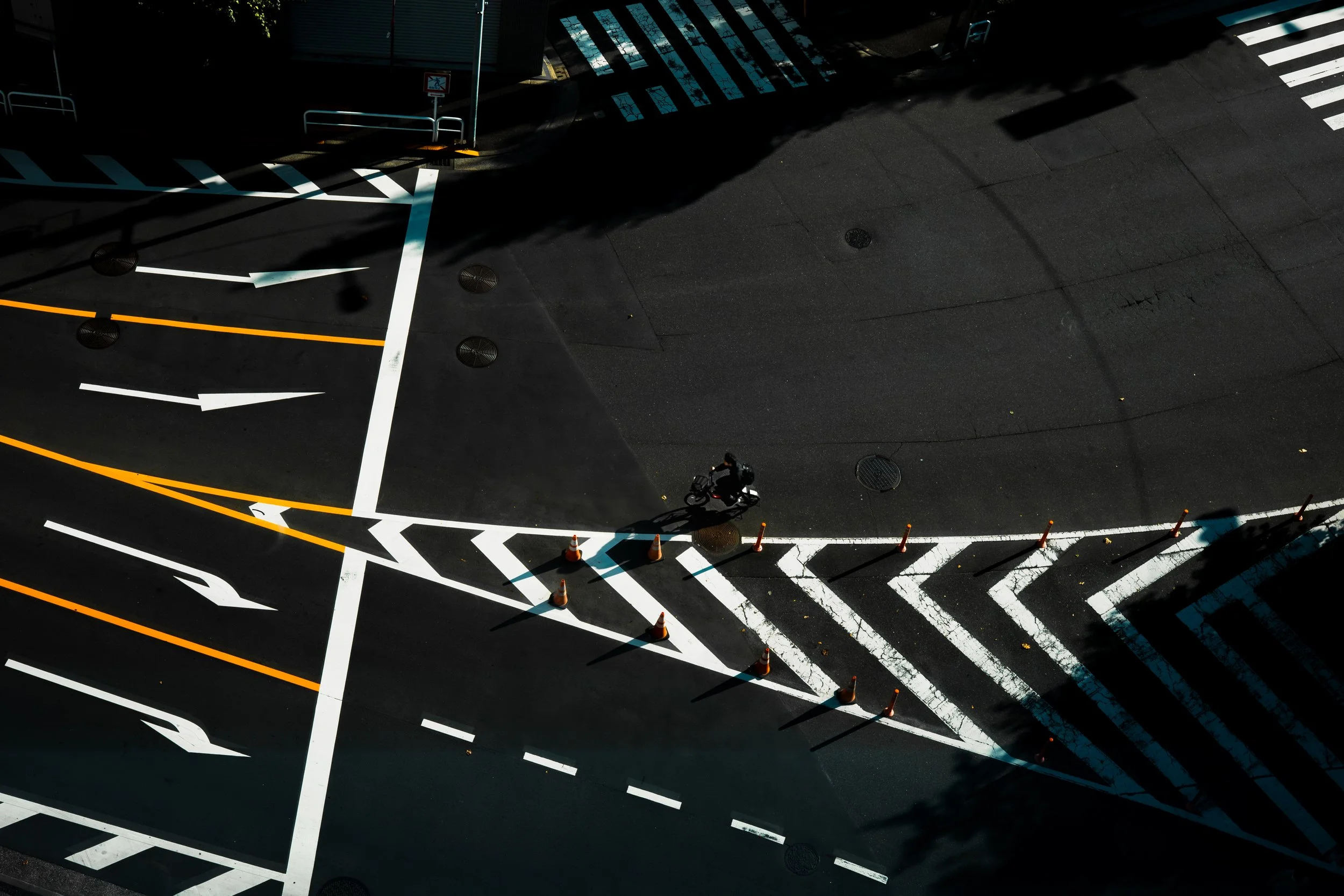
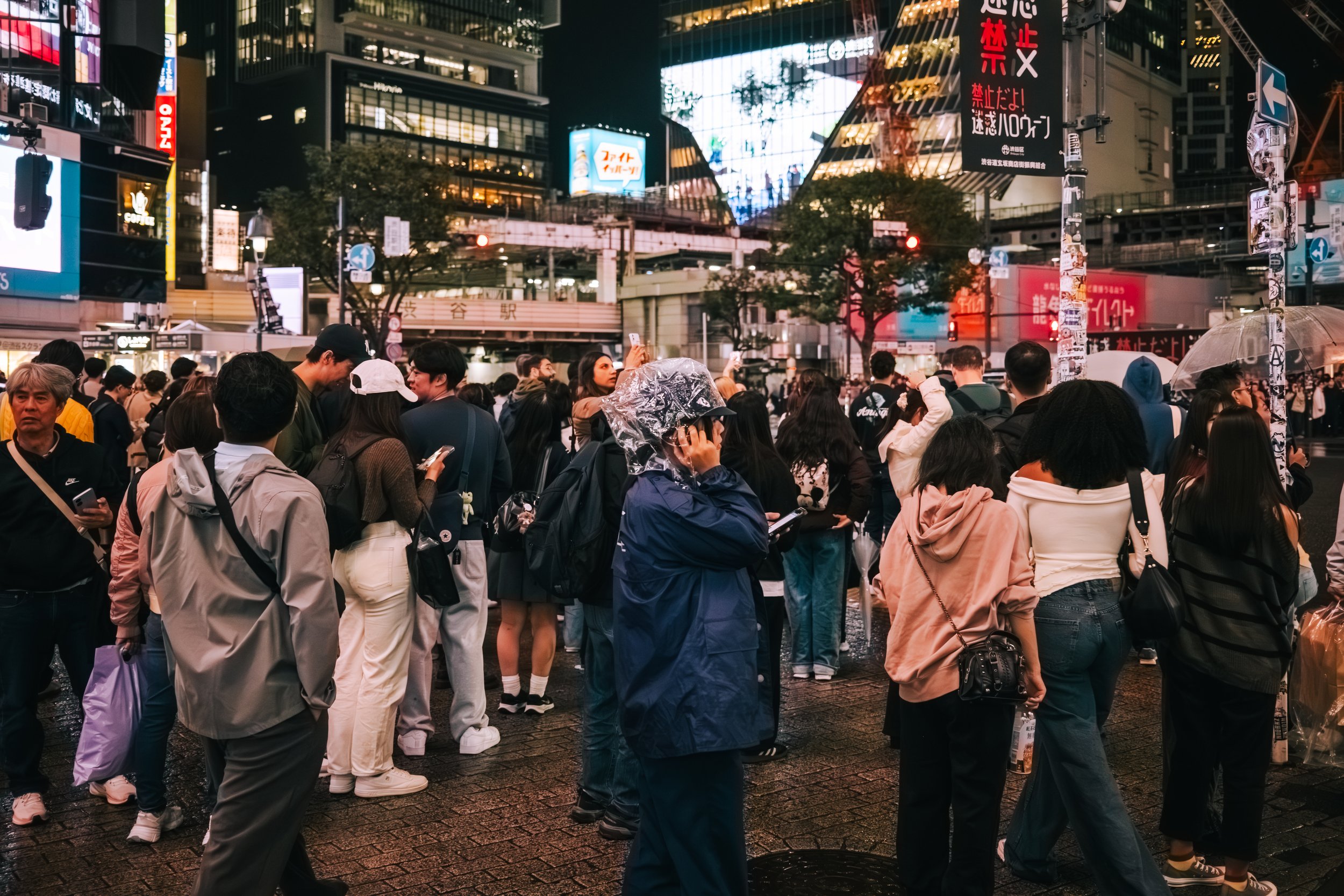
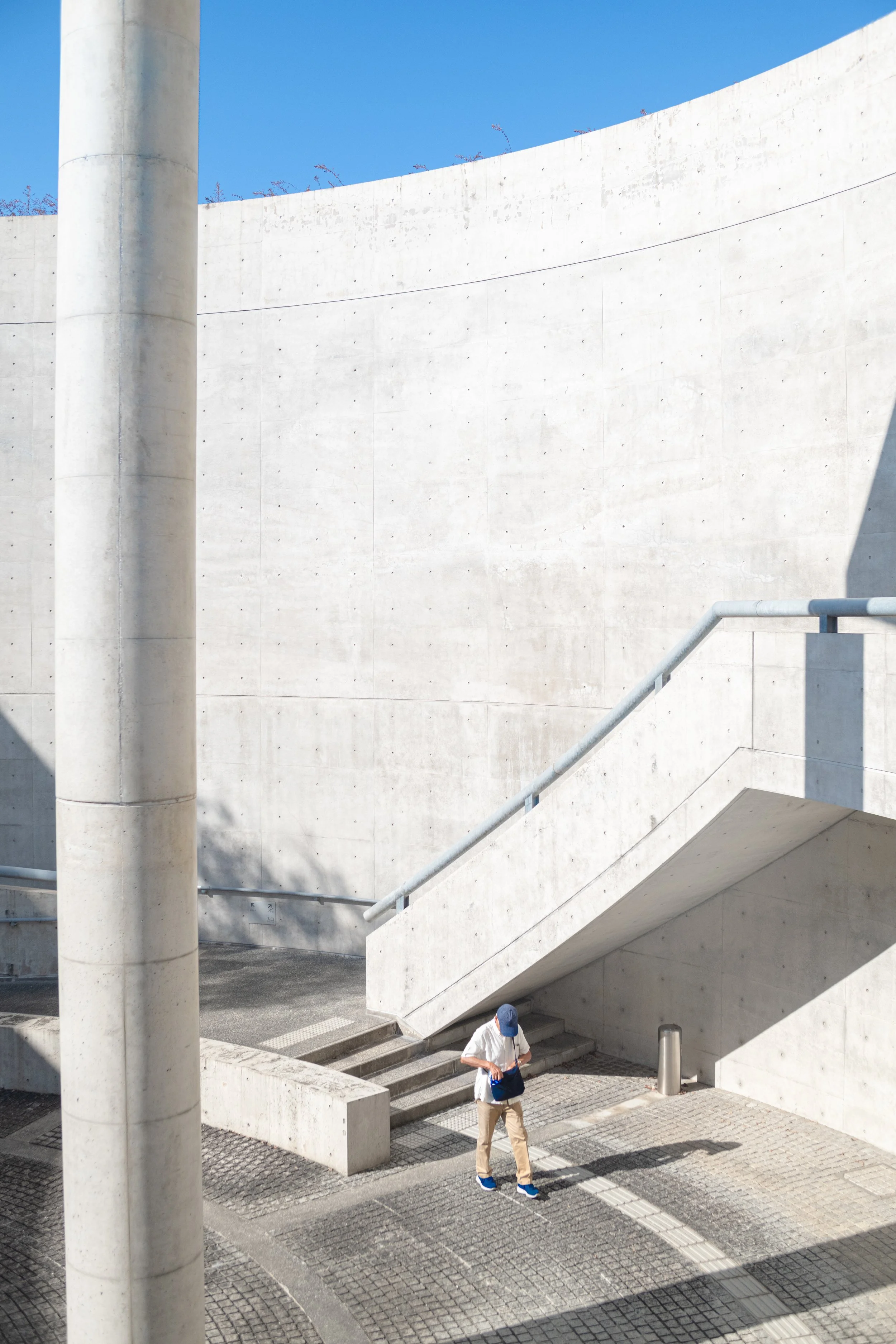
Spatial Memory, the work from my first exhibition, was probably the first project that made me step back and think about what I had actually been photographing all these years. It started as a collection of architectural photographs taken over a decade, but going through my archive, I realized I was less interested in documenting buildings as complete objects and more interested in the fragments I remembered about visiting a place; light hitting a wall, someone passing through a space, a material or detail, or simply the feeling of being there.
It also made me realize how important people had become in my work. Architecture might set the stage, but it’s movement, interaction, and human presence that give a place meaning. The project helped me understand that architecture, for me, was never really static. It was something lived and experienced, and photography became my way of collecting those small moments over time.
Has photography changed the way you experience everyday life, even when you don't have a camera with you?
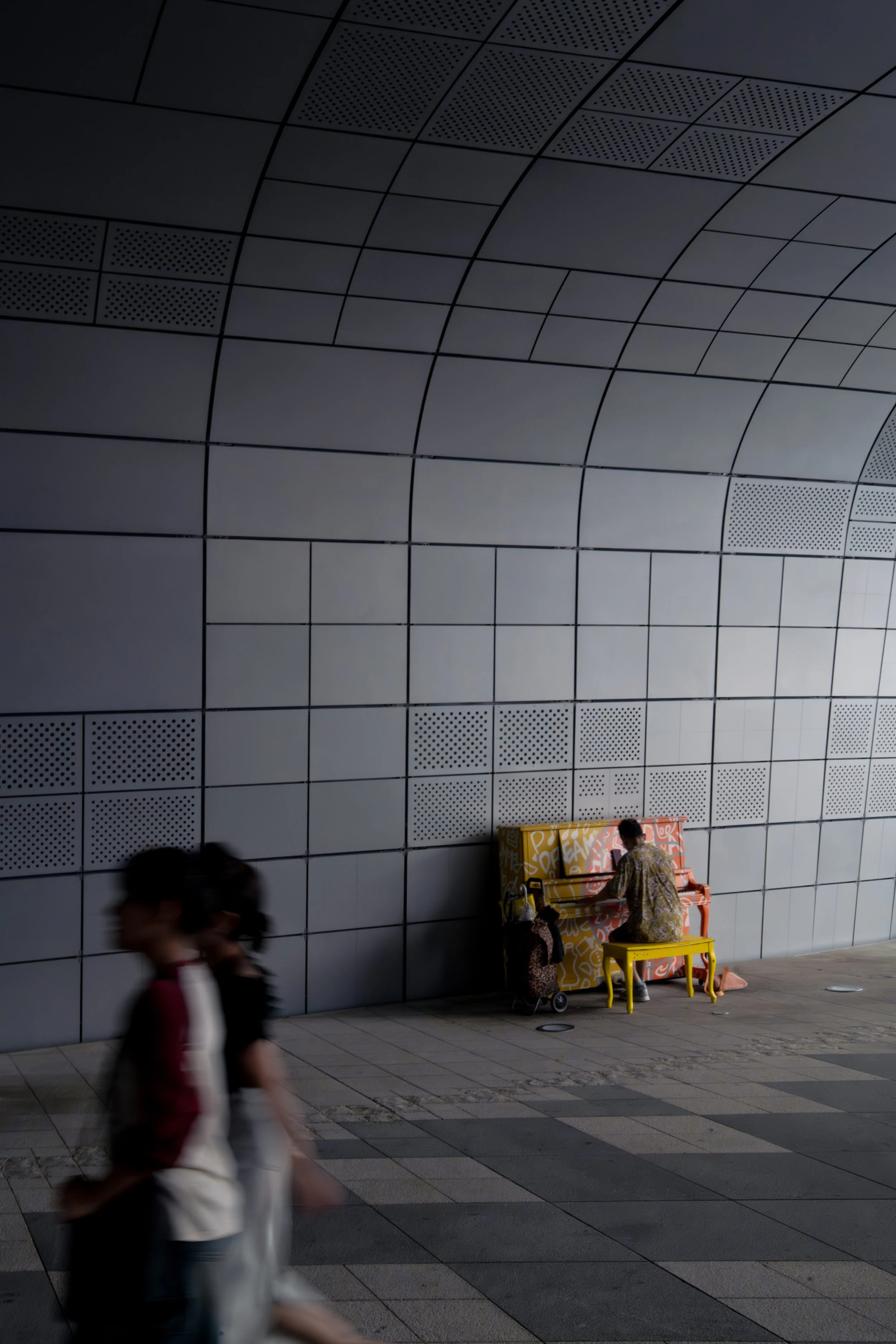
Definitely. Photography has pushed me to be more than just an observer and actually become part of the story. It gives me a reason to interact with people, places, and situations I might have otherwise passed by. I’ve met people I probably never would have spoken to, wandered into places I might never have explored, and had experiences simply because I was curious about what I might find.
Where do you hope photography takes you next?
I’m not entirely sure, and I think that’s part of what I enjoy about it. Photography has already taken me in directions I never expected, especially in the last two years, and joining STADE has opened another path for me. I want to keep travelling, meeting people, and making memories. I have a few long-term personal projects in mind, and I’d like to publish more of my work and continue finding new people to collaborate with. More than anything, I hope photography and STADE keep giving me reasons to stay curious and see where they take me next.