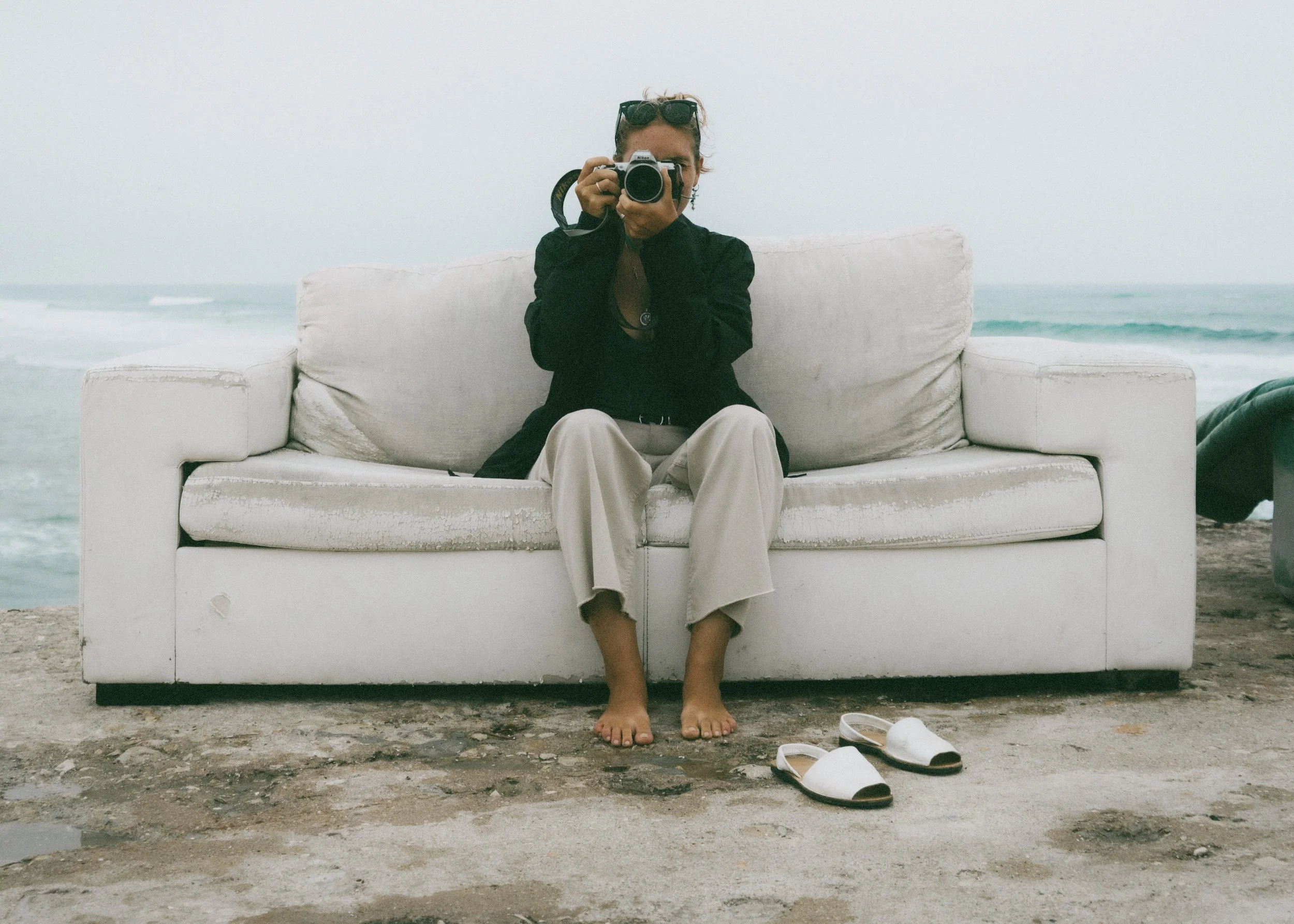
Please introduce yourself and tell us a little bit about who you are.
My name is Aina Elias. I'm a lifestyle, surf and commercial photographer from the Costa Brava, Spain. I work both in and out of the water, shooting digital and film, and creating visual content for brands, businesses and creative projects.
I'm a very curious and creative person, and I've always been drawn to the ocean, travelling and an active lifestyle. I love being on the move, meeting new people, discovering new places and turning those experiences into images. But I also really love coming home, spending time with my family and friends, and having a bit of a slower, more chilled routine every now and then.
I'm really happy to be building a career around something I genuinely love, and I'm always looking for new places and projects that inspire me.
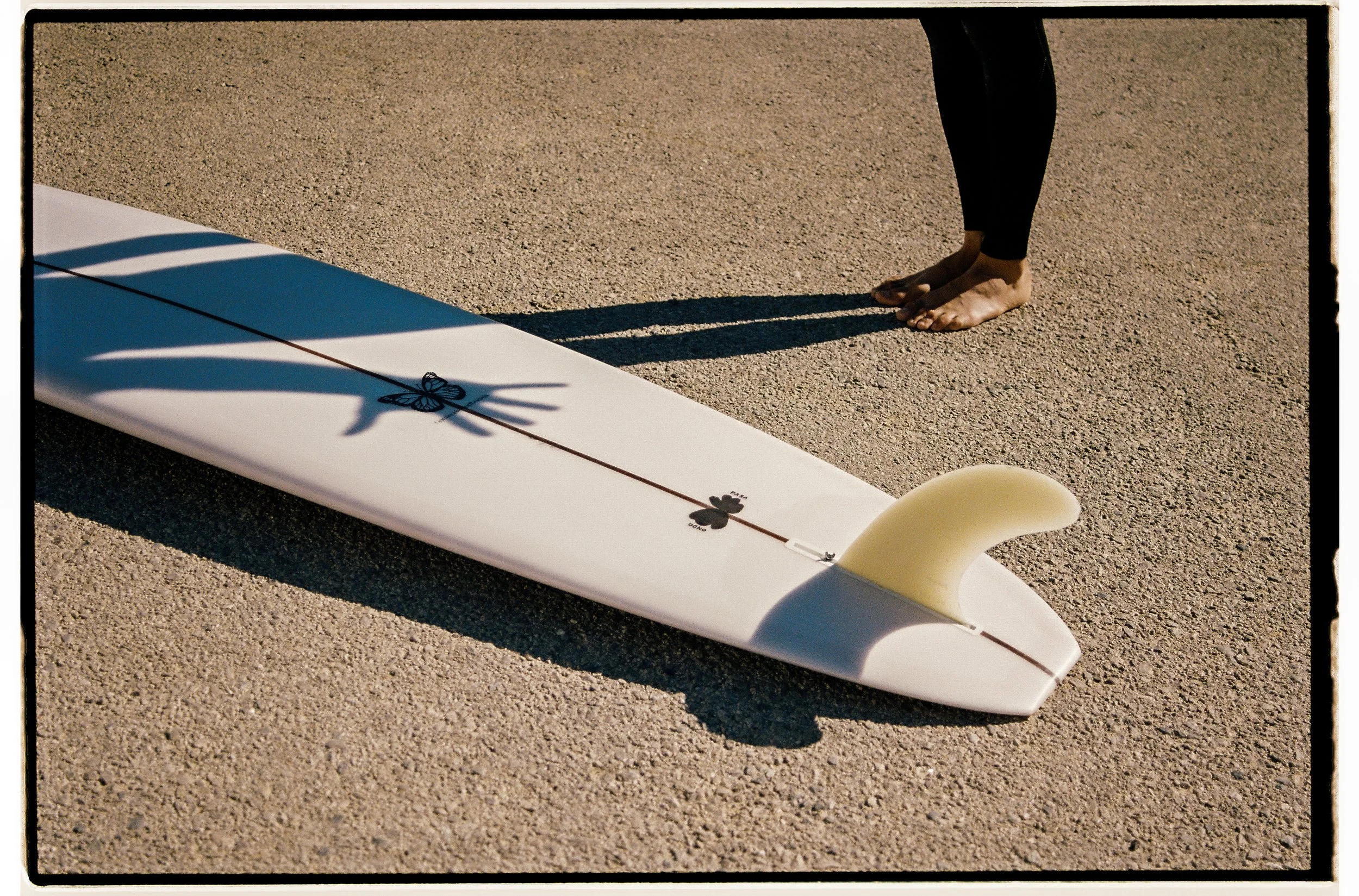
Originally from the Costa Brava region in Spain, what led you to make Sri Lanka your second home?
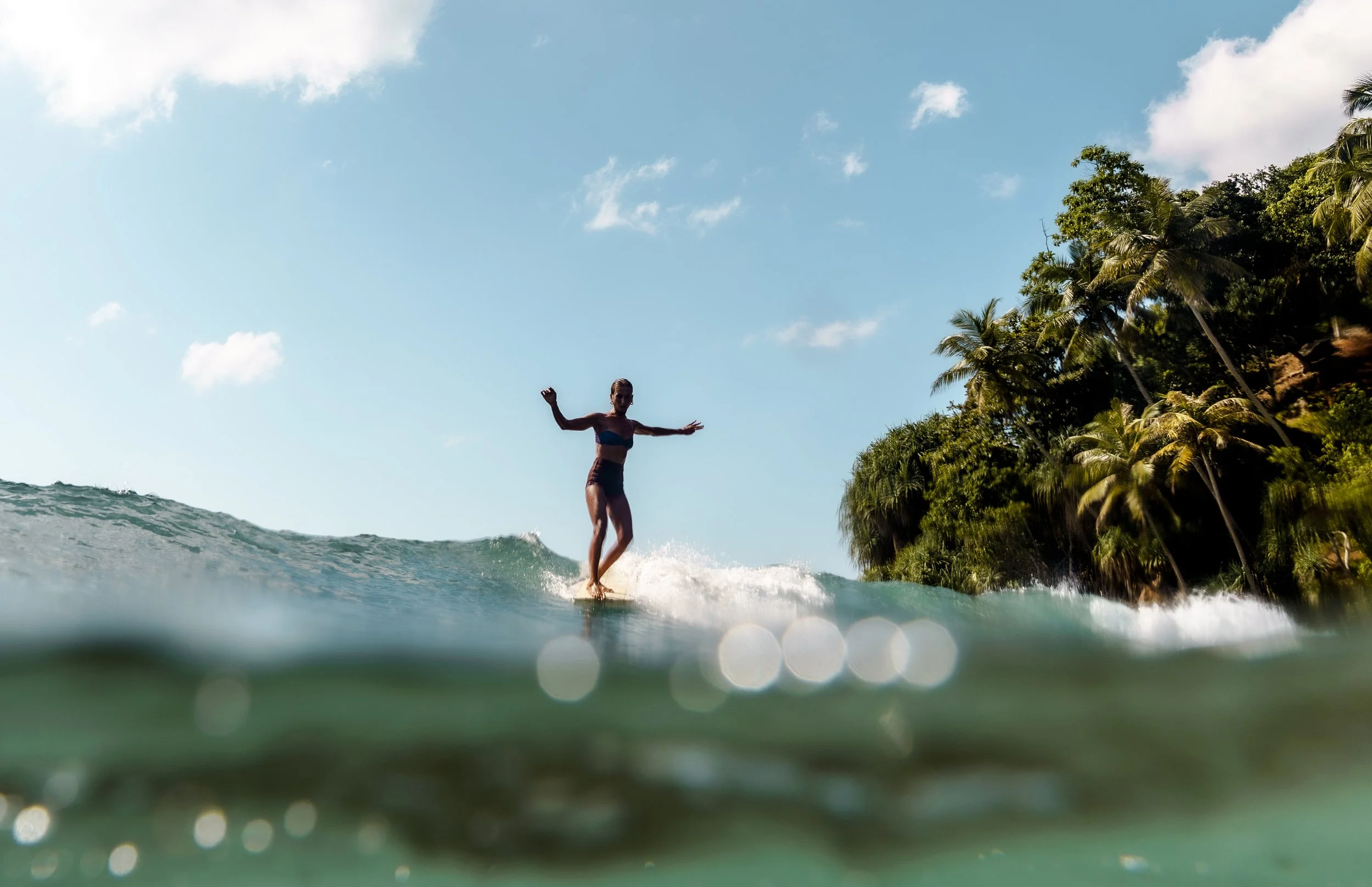
I don't really like cold weather, and after spending one super long, boring winter at home, I decided I wanted to spend the next one somewhere tropical and warm, where I could surf and live in summer clothes. I applied to work as a photographer for several surf camps around the world, and Sri Lanka was the only one that got back to me and offered me a position. So, in a way, I didn't really choose Sri Lanka — Sri Lanka chose me.
I came for a couple of months, but I ended up falling in love with the place and the people and stayed for the whole season. I don't live there permanently, but I keep coming back and spend a lot of time there now. I definitely consider it a second home. I have amazing friends there and a pretty dreamy routine. It was honestly one of the best decisions I've ever made.
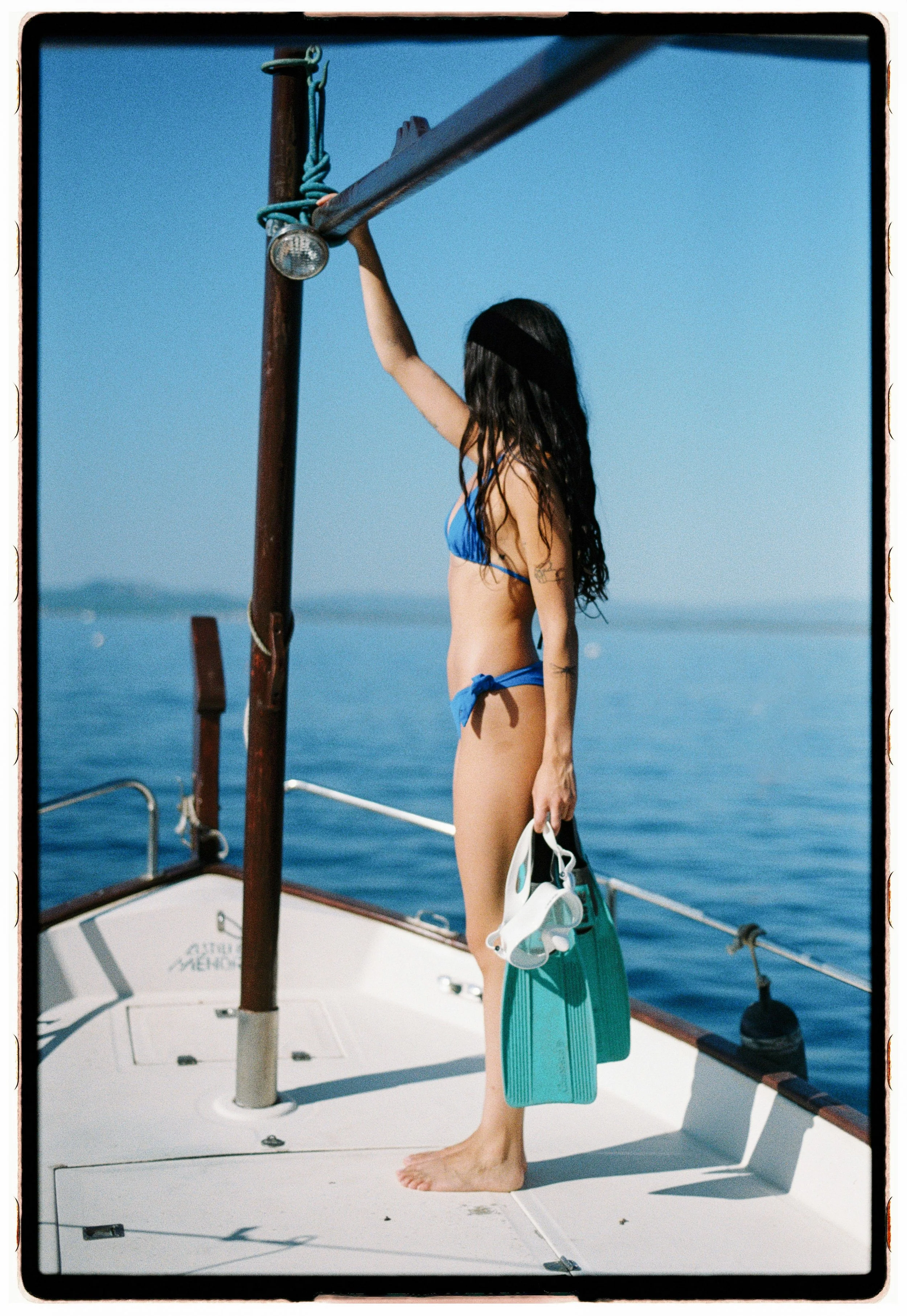
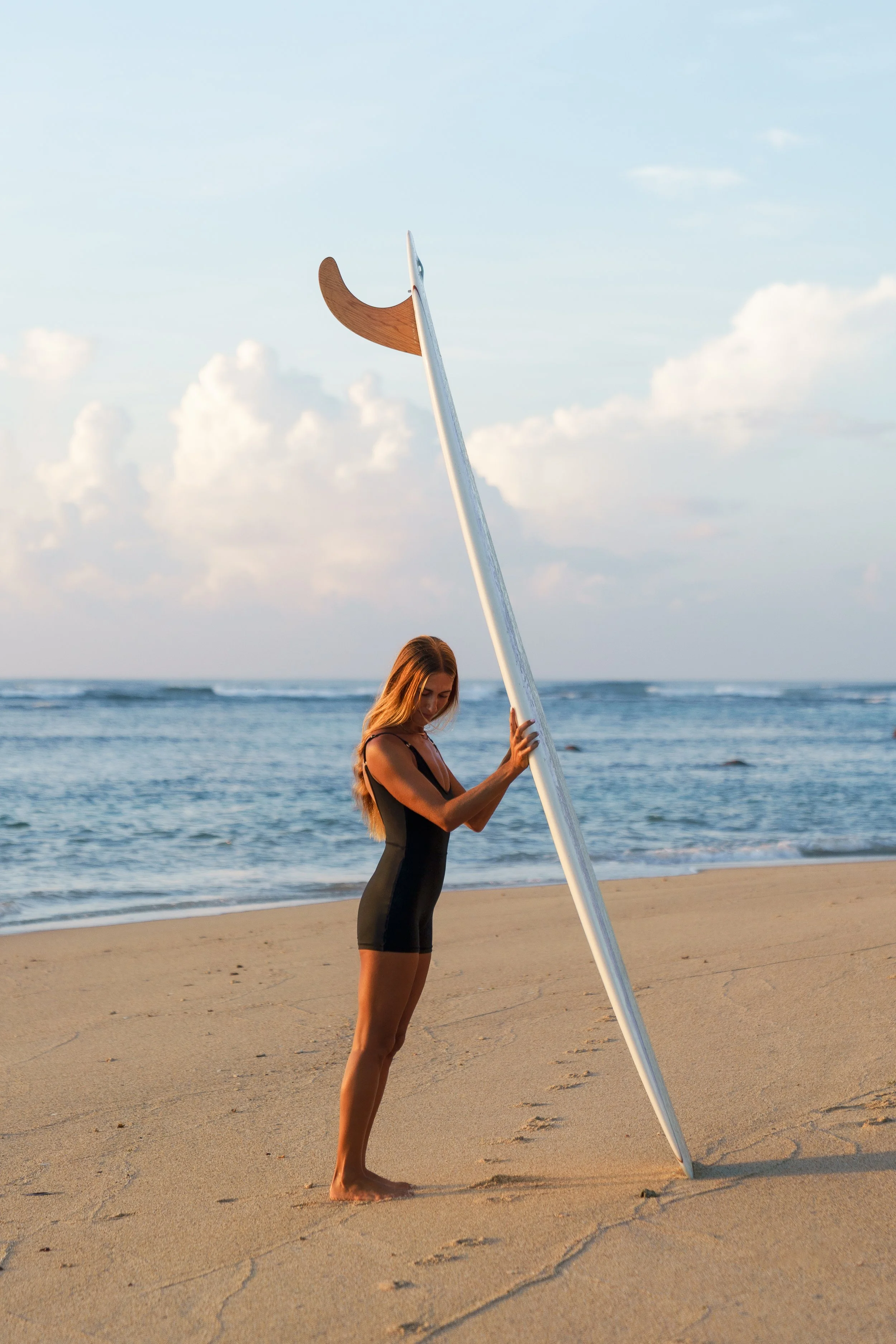
What is the best part of life in Sri Lanka, and what caused the biggest culture shock when you first moved there?
The best part is definitely the people, the weather, the food and the lifestyle in general.
You realise you really don't need much to live well, and that the little things can actually be the best part of your day. Being able to surf whenever I want, having amazing friends there, and ending the day eating rice and curry with them is pretty hard to beat.
The biggest culture shock was probably how different the pace of life is. Nothing is really planned in advance. People just live day by day, and somehow nobody seems to stress about anything. If there's a problem, don't worry — you'll probably have 15 people at your door to help you find a solution! And, of course, driving a scooter on the left and trying not to get crushed by a bus was also an experience. Oh, and having dinner so early, especially as a Spanish person, took some getting used to.
What first inspired you to pick up a camera when you were young?
I always loved picking up the family cameras and being the one taking the photos, but I think it really started when Instagram came along and I got my first GoPro at the age of 13. I wanted to take the kind of photos I was seeing online, so I started photographing and filming everything - my friends, my family, myself doing the things I loved, landscapes... pretty much anything.
I took my GoPro everywhere. It became part of my everyday life for a few years. Then I moved on to a mirrorless camera, and l've had a few different cameras since.
Can you tell us about your early photography experiences and how they shaped vour current work?
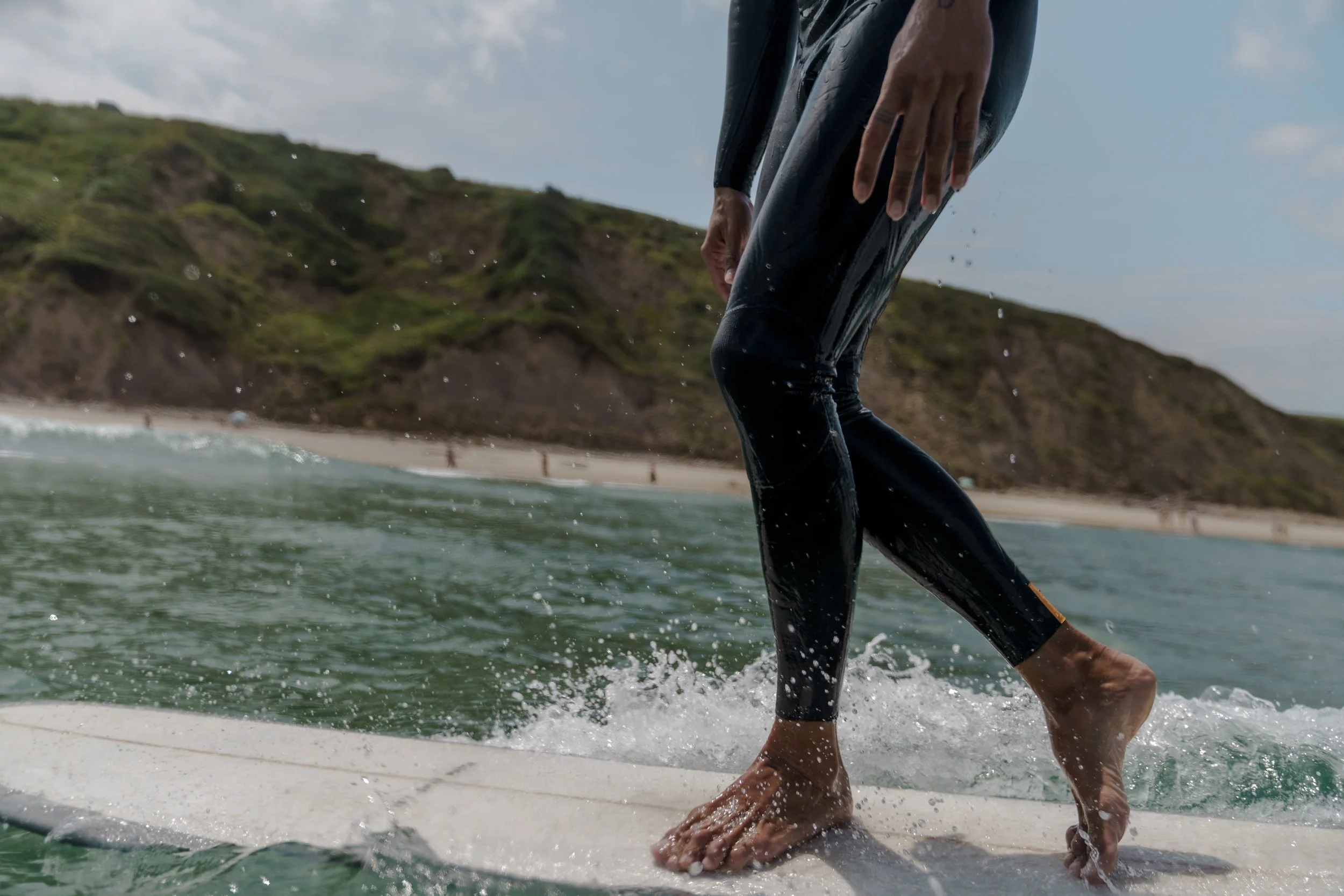
A lot of it was really trial and error. I spent a lot of time watching tutorials, experimenting, and learning from people around me. As I became more serious about photography, I also started putting more time and money into courses and training because I see it as an investment in myself and my future.
I'm also a big fan of learning from books and magazines. I have quite a collection of photography and surf magazines at home. I'll spend hours going through them, bookmarking pages I like, looking at old photographs and paying attention to now other photographers captured things.
but honestly, Ive learned the most by getting out there and doing it, working, making mistakes, and learning from people I look up to. I've been lucky enough to meet many of my photography heroes along the way, and some of them have given me the best advice l've ever received.
Have you always wanted to pursue photography as a career, or was there a turning point for you?
I've always wanted to work in something creative or artistic, but I never really knew what that would look like. One thing I always knew was that I wanted a job that made me happy and that I could see myself doing for the rest of my life. Photography had always been my biggest hobby so when I realised it could actually become a career, it just made sense. That was the turning point for me, realising that something I genuinely loved could also become my job.
What drew you to surf photography and how did you get started in that niche?
In Catalonia, at the end of high school, we have to complete a final project to graduate. I decided to focus mine on in-water surf photography, because photography and surfing had always been my two biggest passions. I'd always been fascinated by this kind of photography and by surf culture, and I'd always dreamed of one day taking photos like that myself.
Then, completely by chance, I came across an Instagram post about one of the first, "Introduction to water Photography" workshops by it's Only Water in Andalusia. I went, absolutely loved it, and discovered a whole new world. I remember leaving that day thinking, "I want to do this."
A few months later, Coke from It's Only Water gave me the opportunity to join their photography team, working with surf camps and schools. That's where I really learned the job, met so many people in the surf world, and got to spend a lot of time in the water. From there, I started getting more opportunities in different places and slowly built my own path in surf photography.
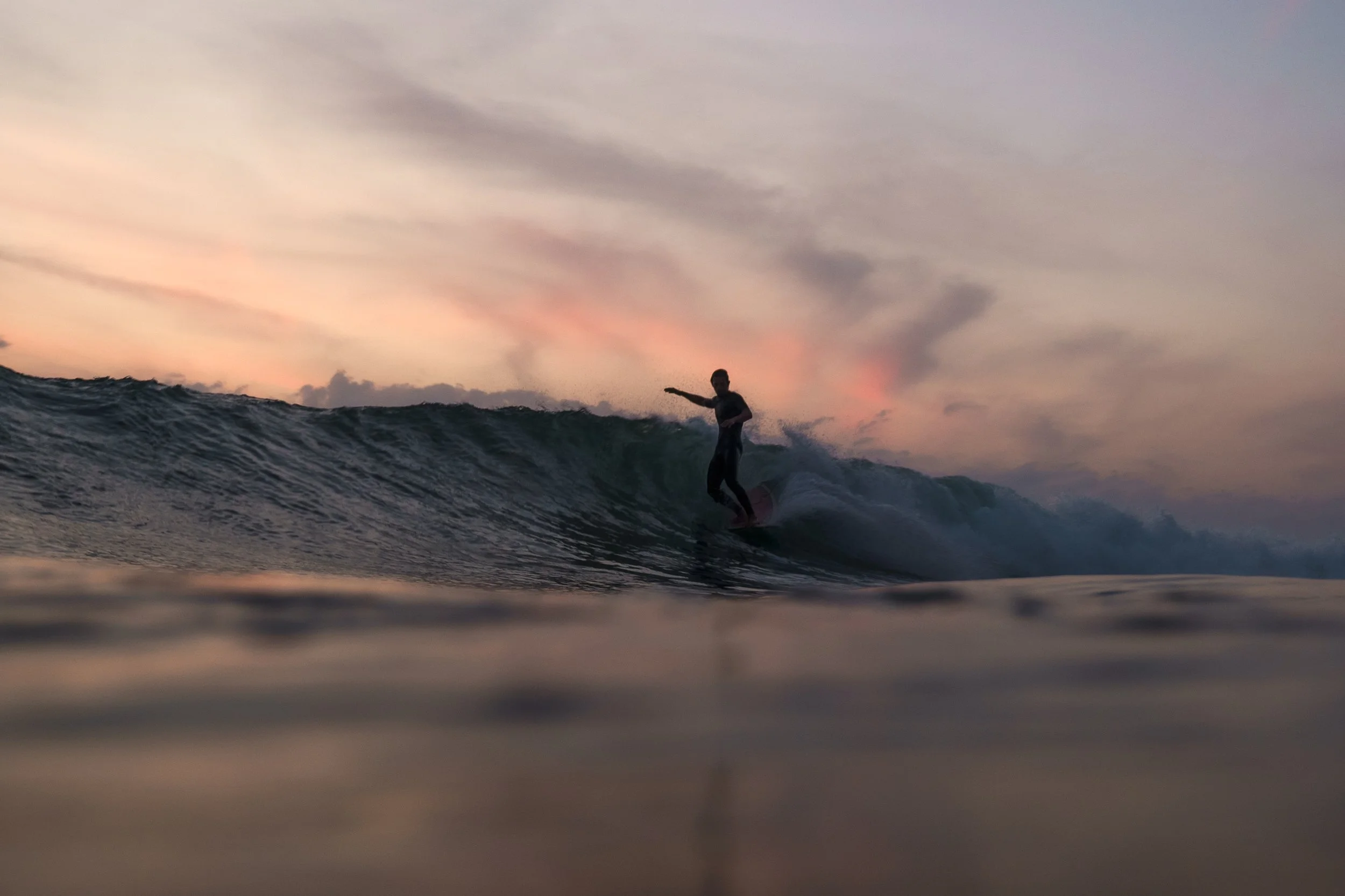
What are the biggest challenges you face when shooting in the water as opposed to from land?
Definitely trying to do ten things at once! You're swimming and trying to stay afloat, fighting the currents, getting yourself into the best position, keeping an eye on the surfer, making sure the exposure is right and that the lens isn't fogging up, shooting at the right moment... and, of course, trying not to get run over by someone hahaha. But it's always fun!
You mentioned you shoot both film and digital, what are your favourite film cameras and film stocks?
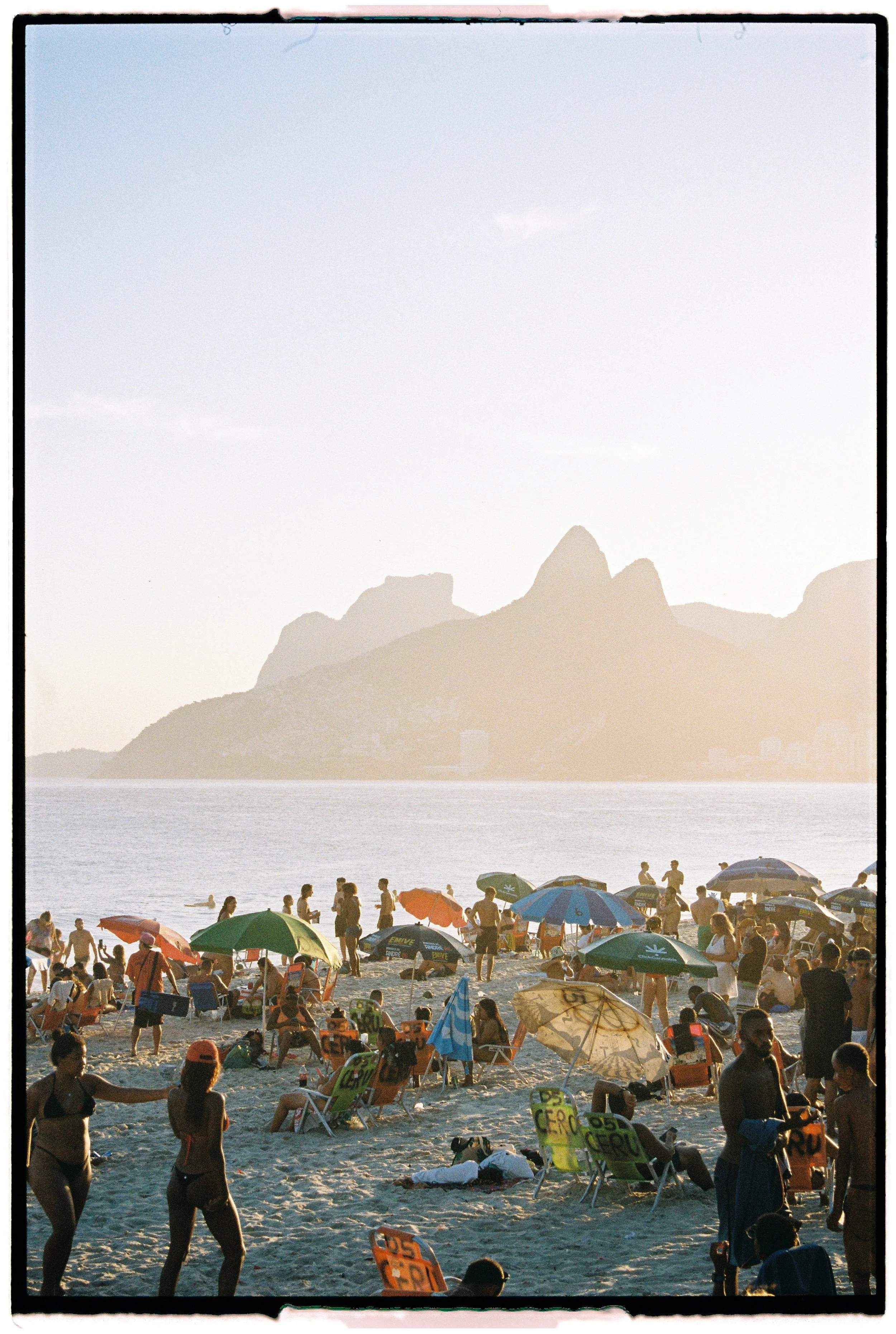
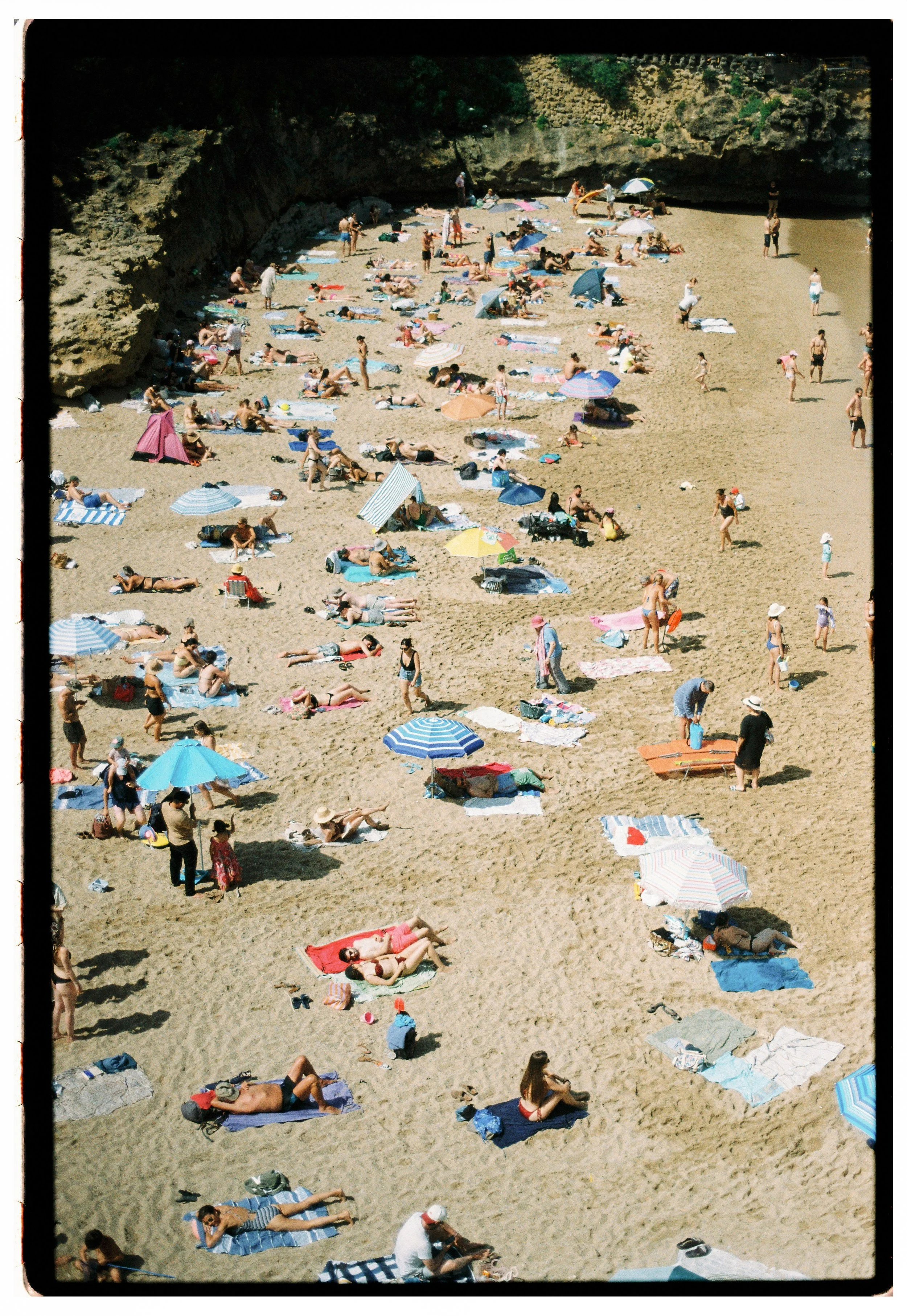
After taking a bit of a break from film, I'm slowly getting back into it. My favourite film camera is the Nikon F5, and I'm pretty classic when it comes to film stocks - Portra 400 and Kodak Gold are my go-tos for pretty much everything.
To see more of Aina’s work, you can visit her website here or find her on Instagram here.