Living at the Island’s Pace
Okinawa feels different from the Japan I had come to know.
Away from the density and constant movement of cities like Tokyo and Osaka, life here seems to unfold at a slower pace. The landscape opens up. The ocean is never far away, tropical vegetation fills the spaces between buildings, and the island’s distinct history and culture give it an identity that feels separate from mainland Japan.
I came to Okinawa partly to slow down. After spending much of my trip moving through busy streets, train stations, neighbourhoods, and buildings with a camera in hand, arriving on the island felt like a change in rhythm.
Unfortunately, the weather had other plans.
For much of my stay, Okinawa was covered in clouds and rain. It wasn’t exactly the version of the island I had pictured before arriving. There were fewer blue skies, fewer sunsets, and a lot more time spent watching rain move across the landscape.
But staying at HOSHINOYA Okinawa made me appreciate the island in a different way.
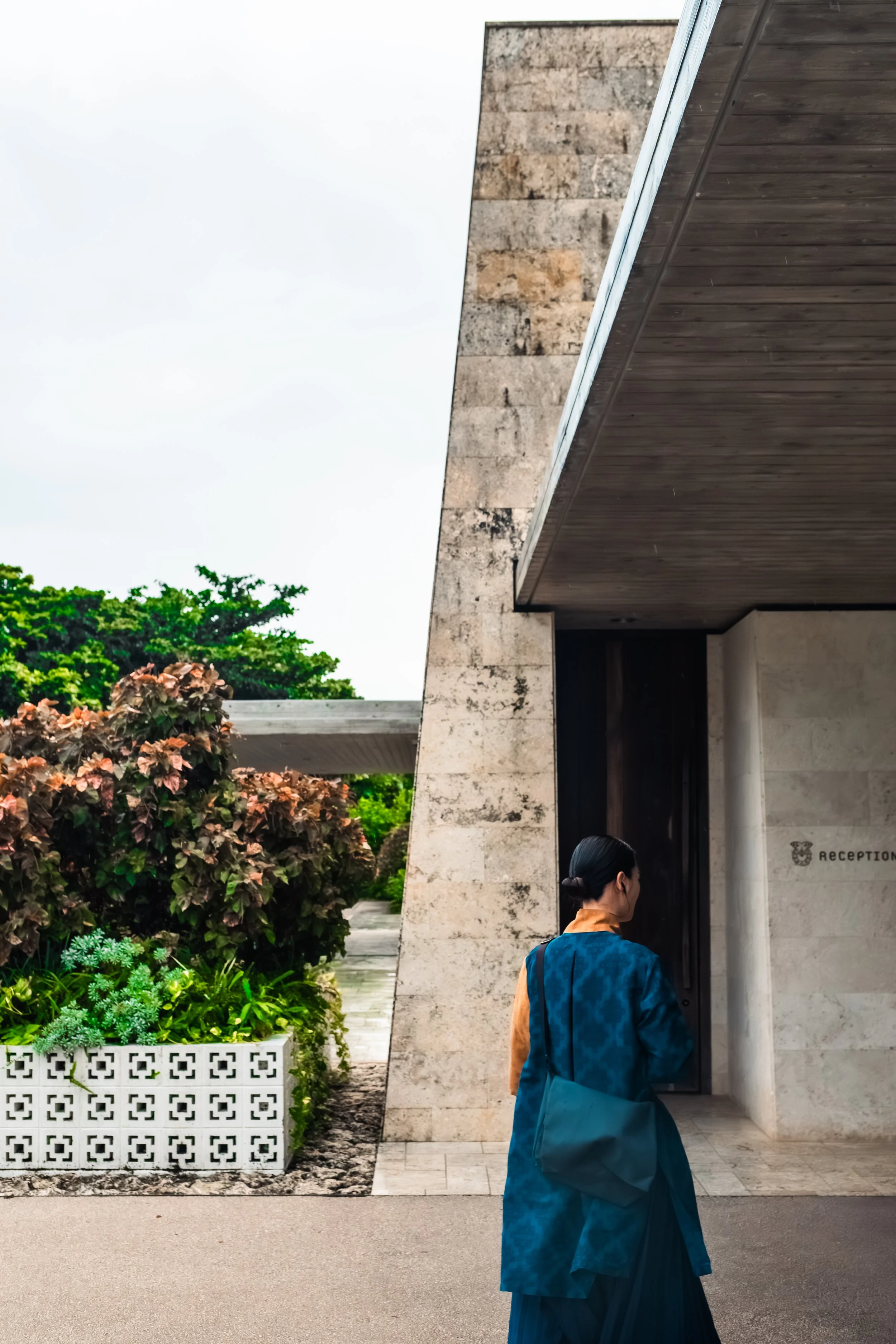
Set along the coastline of Yomitan, the resort is a bit more removed from the busier parts of Okinawa. Rather than arriving at a hotel that immediately demands your attention, you enter a place that seems to slowly reveal itself through the landscape and various buildings that make up the resort.
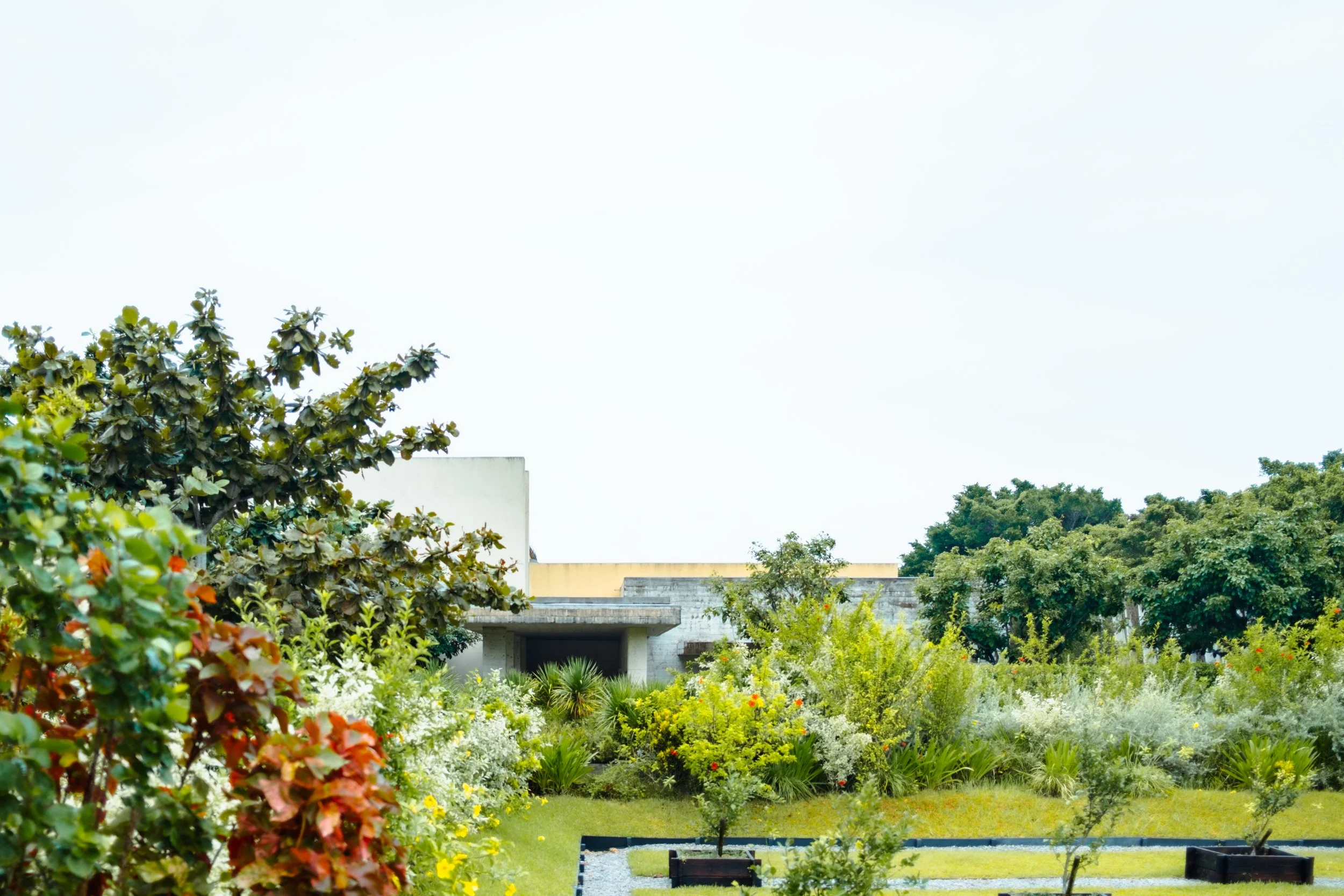
The architecture stretches horizontally across the site, following the coastline rather than competing with it. Buildings sit low within the landscape, framed by dense vegetation, stone, water, and the ocean beyond. Paths weave between gardens and foliage, creating moments where the architecture disappears almost completely before revealing another view.
There is a quietness to it.
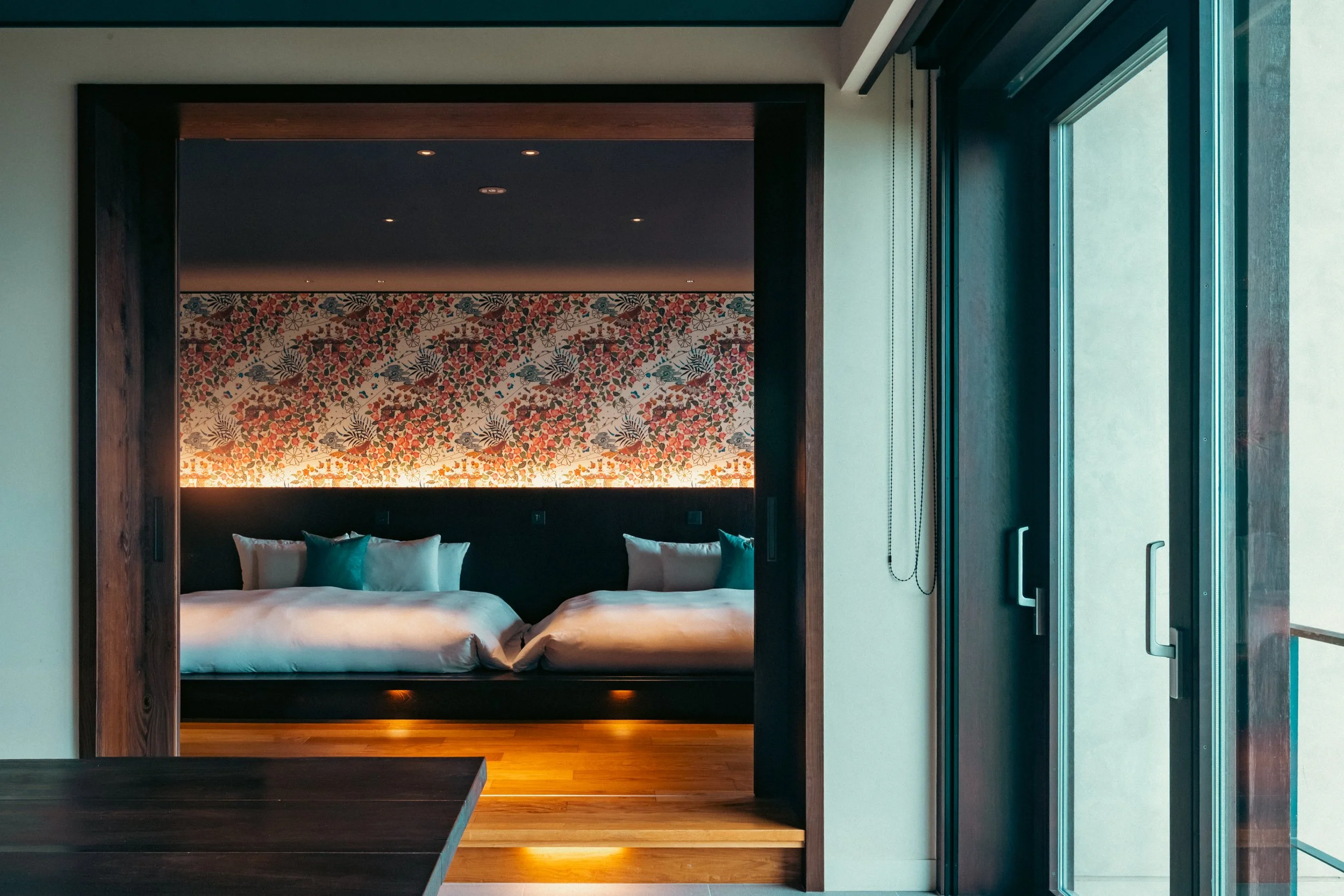
Instead of separating you from Okinawa, the architecture seems designed to pull the island closer. Rooms open toward the ocean. Walkways lead you through the landscape. Materials and textures feel connected to the climate and place. Even moving from one part of the resort to another becomes part of the experience.

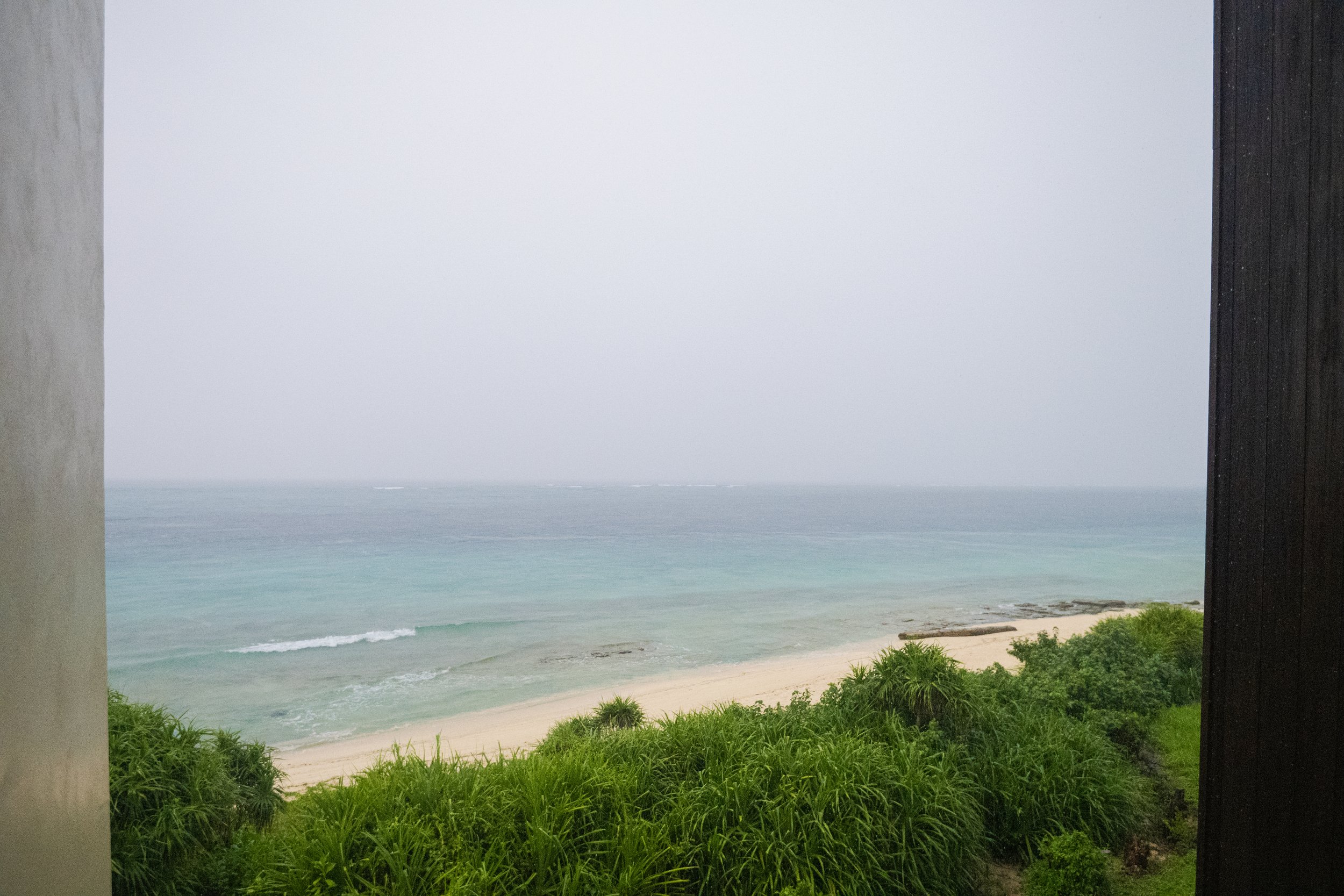
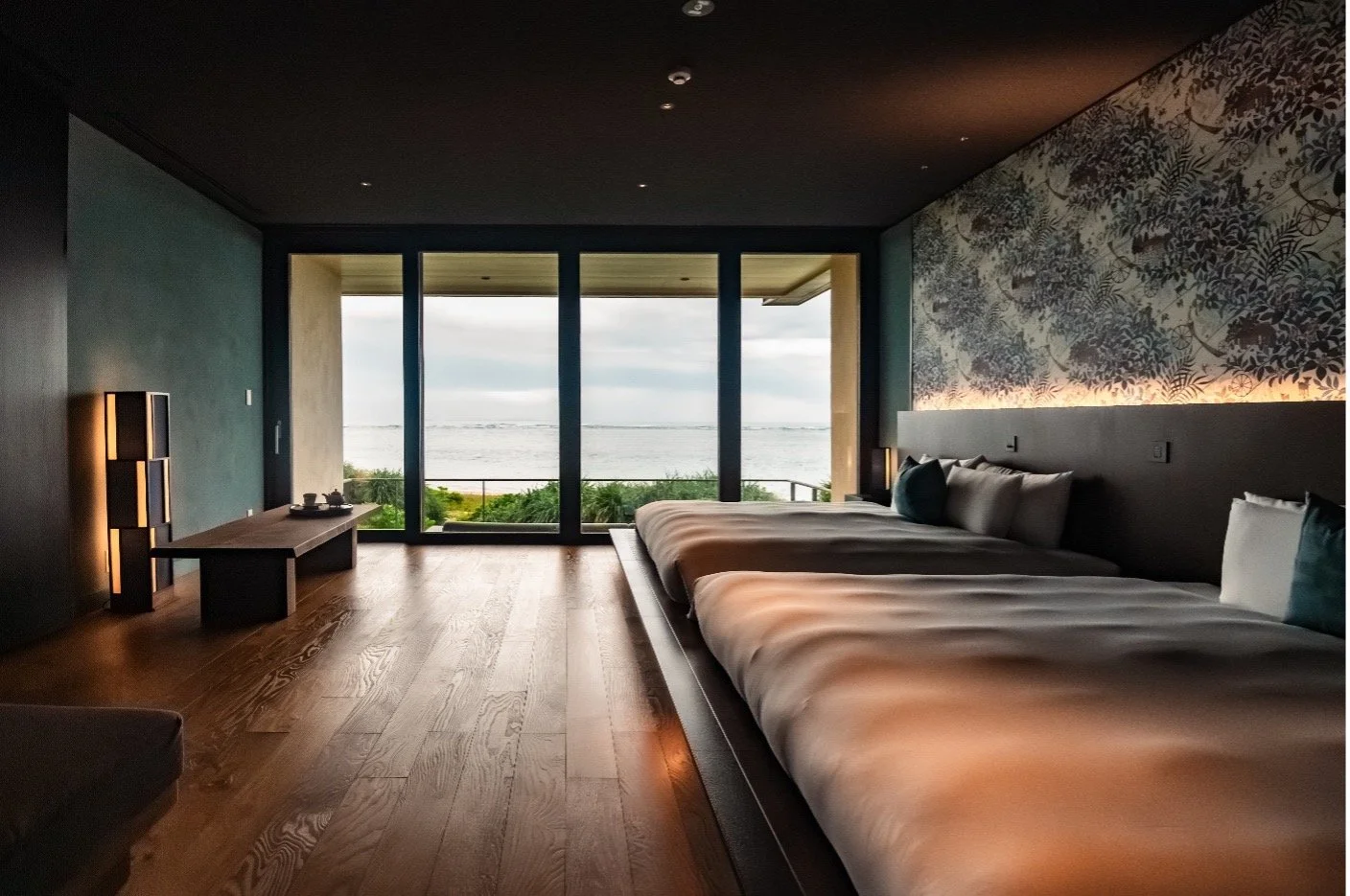
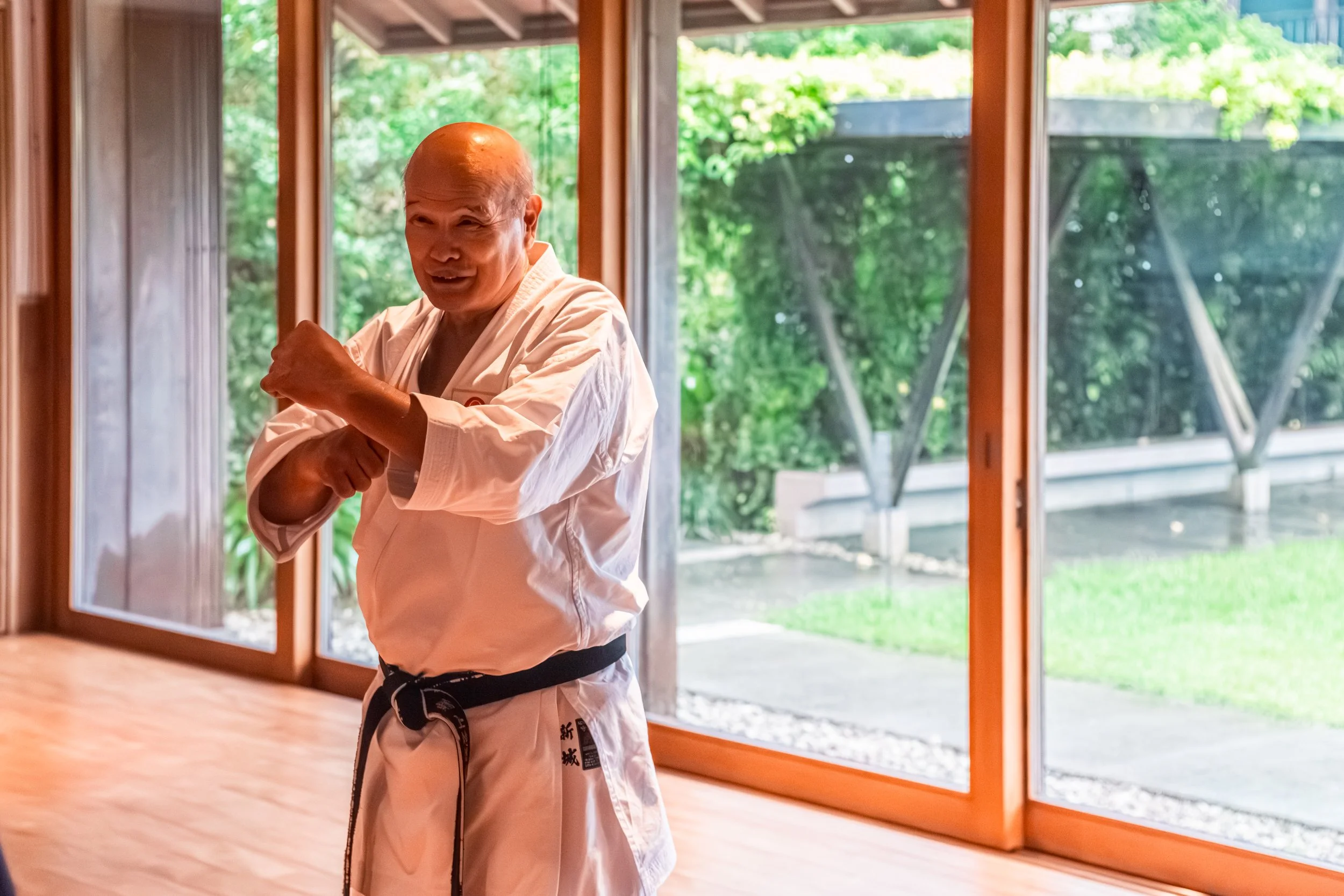
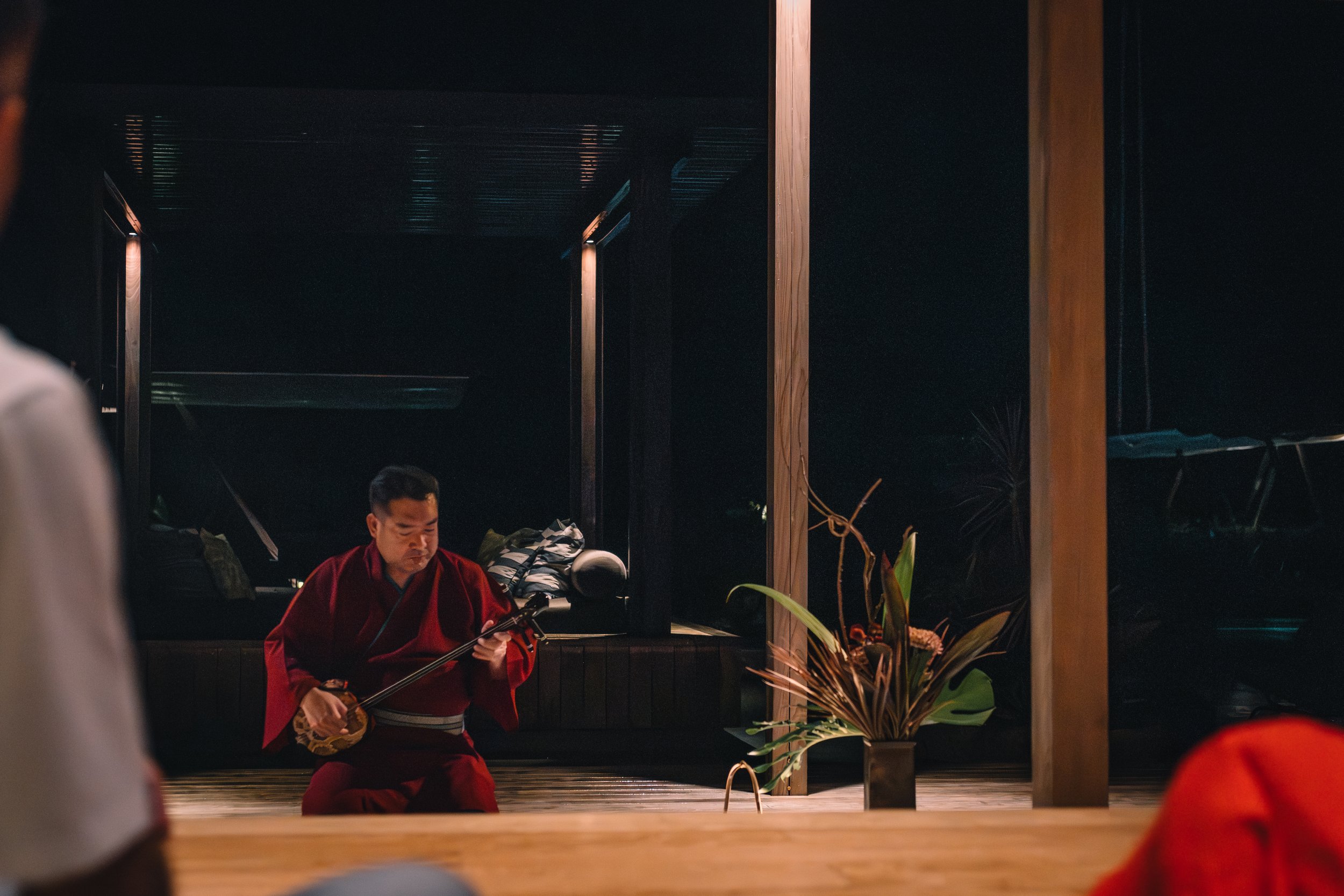
There is a different rhythm to being here. Mornings did not need to start with a plan. That slower pace carries into the experiences offered throughout the resort. Mornings can begin with breathing and movement inspired by Ryukyu karate, while other parts of the day invite you to experience Okinawan traditions through Bukubuku tea and sanshin music. Beyond the resort, there are opportunities to explore more of the island and coastline through horseback riding and marine activities. Or you can simply spend an afternoon by the pool overlooking the ocean.
Food became another way of experiencing Okinawa. I was treated to HOSHINOYA’s take on the Okinawan food lifestyle, where meals felt closely tied to the island, its climate, and the ingredients that thrive there. Fresh seafood, local vegetables, tropical fruits, and Okinawan flavours appeared throughout the stay, often presented with a simplicity that allowed the ingredients themselves to stand out. There was an emphasis on freshness, but also on presentation and ritual.
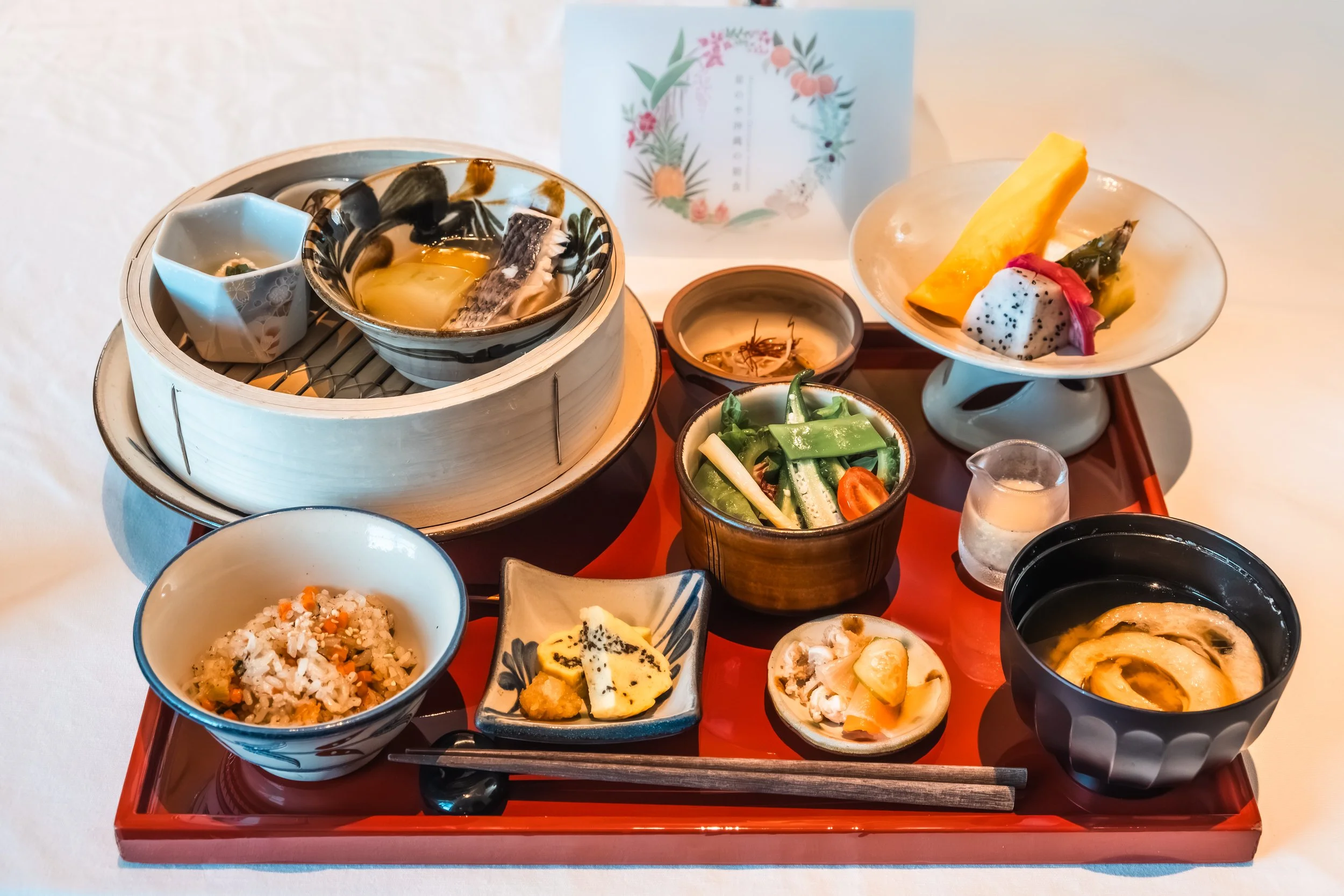
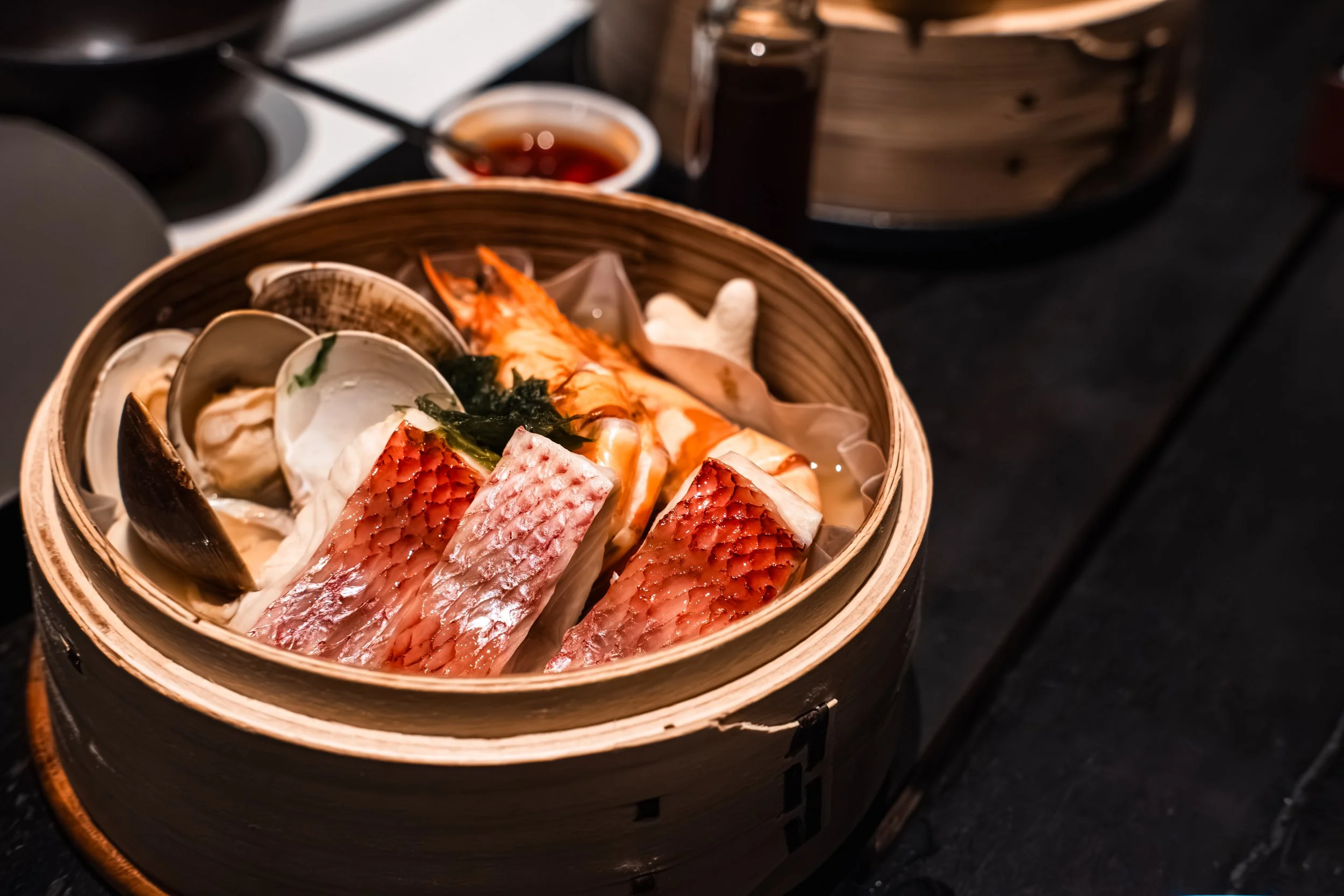
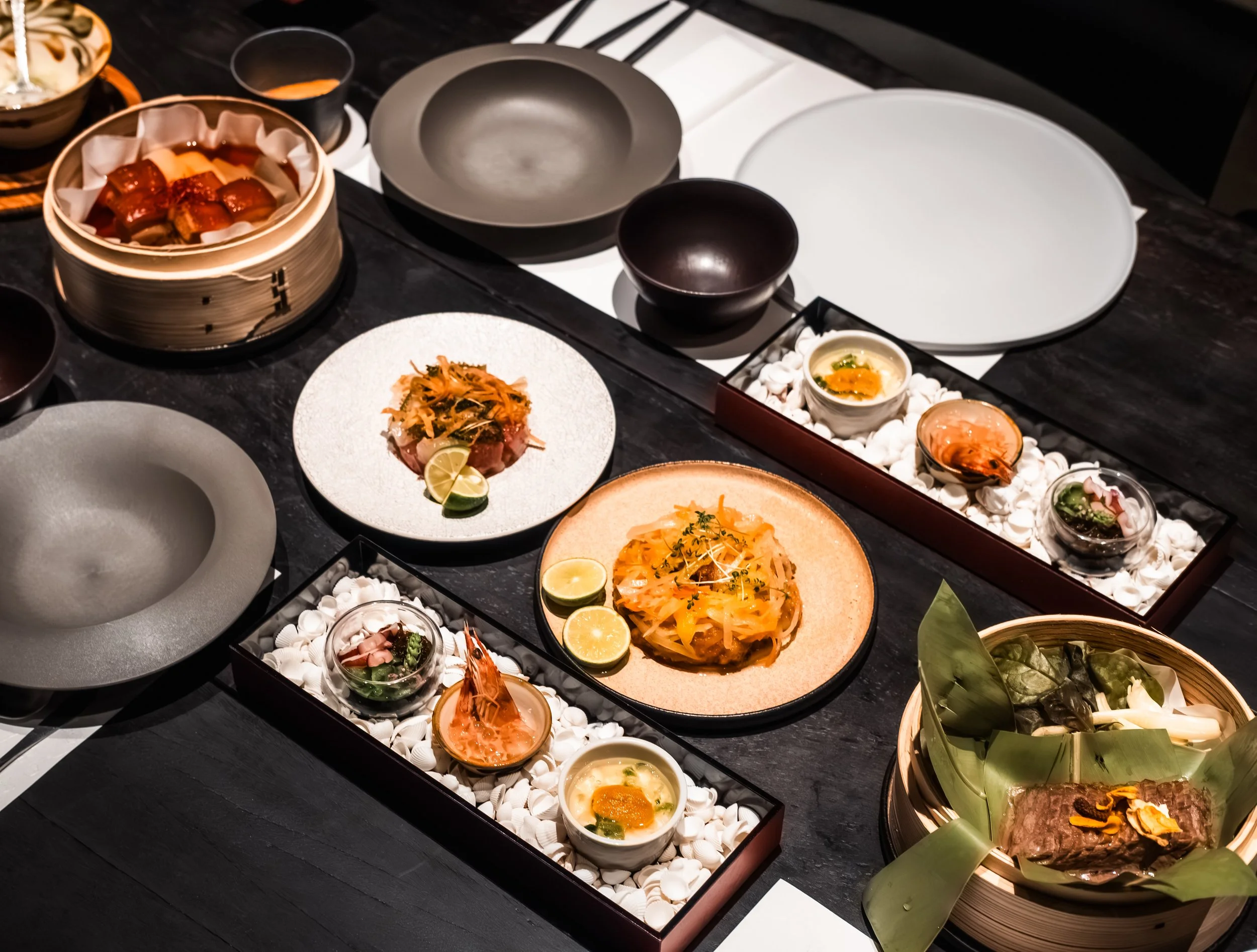
I found myself paying almost as much attention to how everything was presented as how it tasted. The colours, ceramics, textures, and ingredients told their own story of Okinawa. With the rain outside, there was something particularly comforting about slowing down over a long meal and enjoying some of the freshest food I had during my time in Japan.
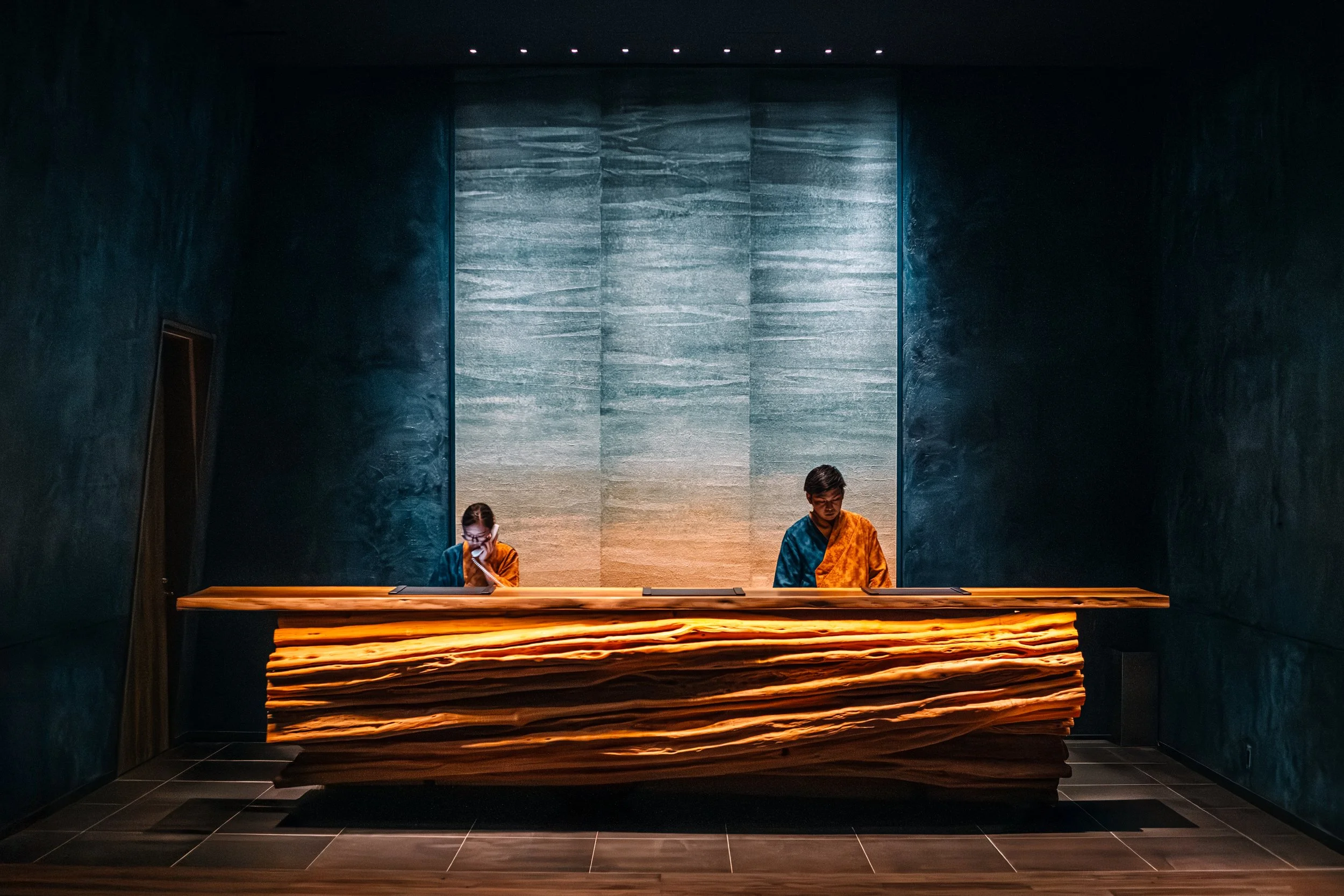
What made the experience feel complete, though, was the hospitality. From the moment I arrived, the staff made me feel genuinely welcomed. There was a calmness to the way they interacted with guests that matched the pace of the hotel itself. Throughout my stay, small gestures stood out. Staff were attentive without ever feeling intrusive, happy to explain the food, the activities, and different parts of the property, while still giving me space to experience everything at my own pace. Travelling can sometimes feel transient, moving quickly from one place to the next, but the hospitality at HOSHINOYA made it easy to settle in.