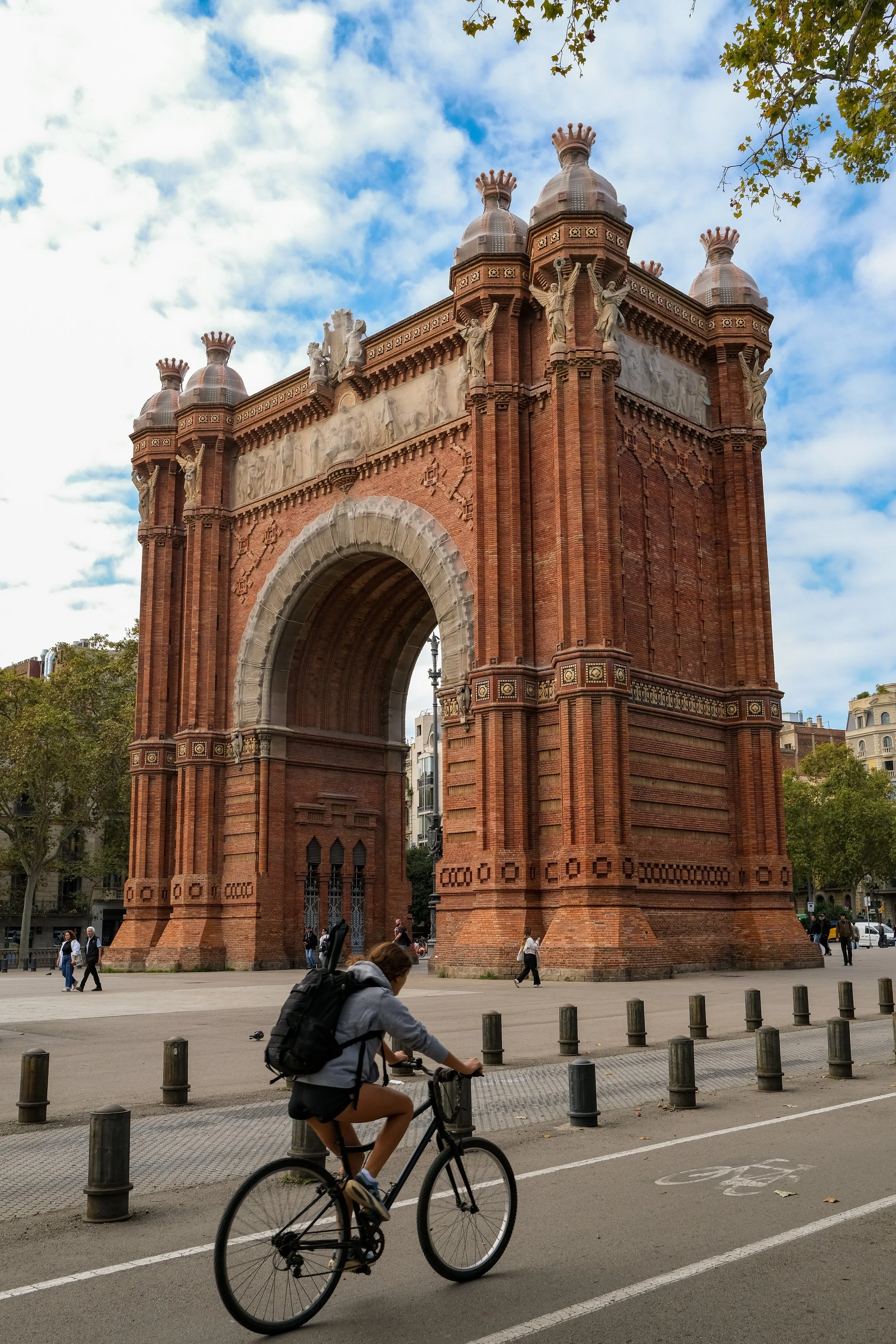
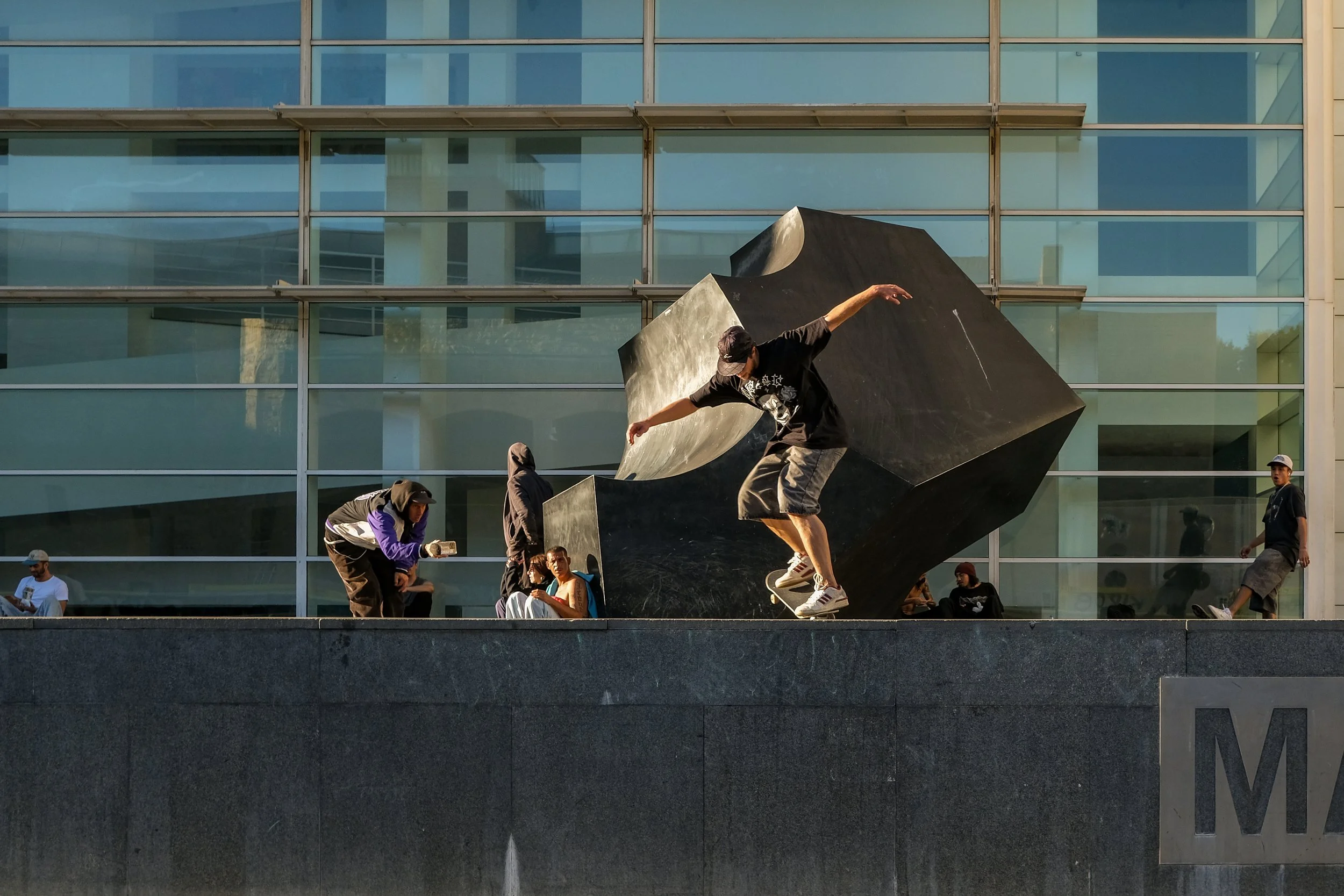
I’d heard a lot about Barcelona, from the skateboarding scene and beautiful sights to the famous football team, Barcelona FC, but I really didn’t know what to expect when I travelled there. In the end, it wasn’t what I expected at all. It was actually better.
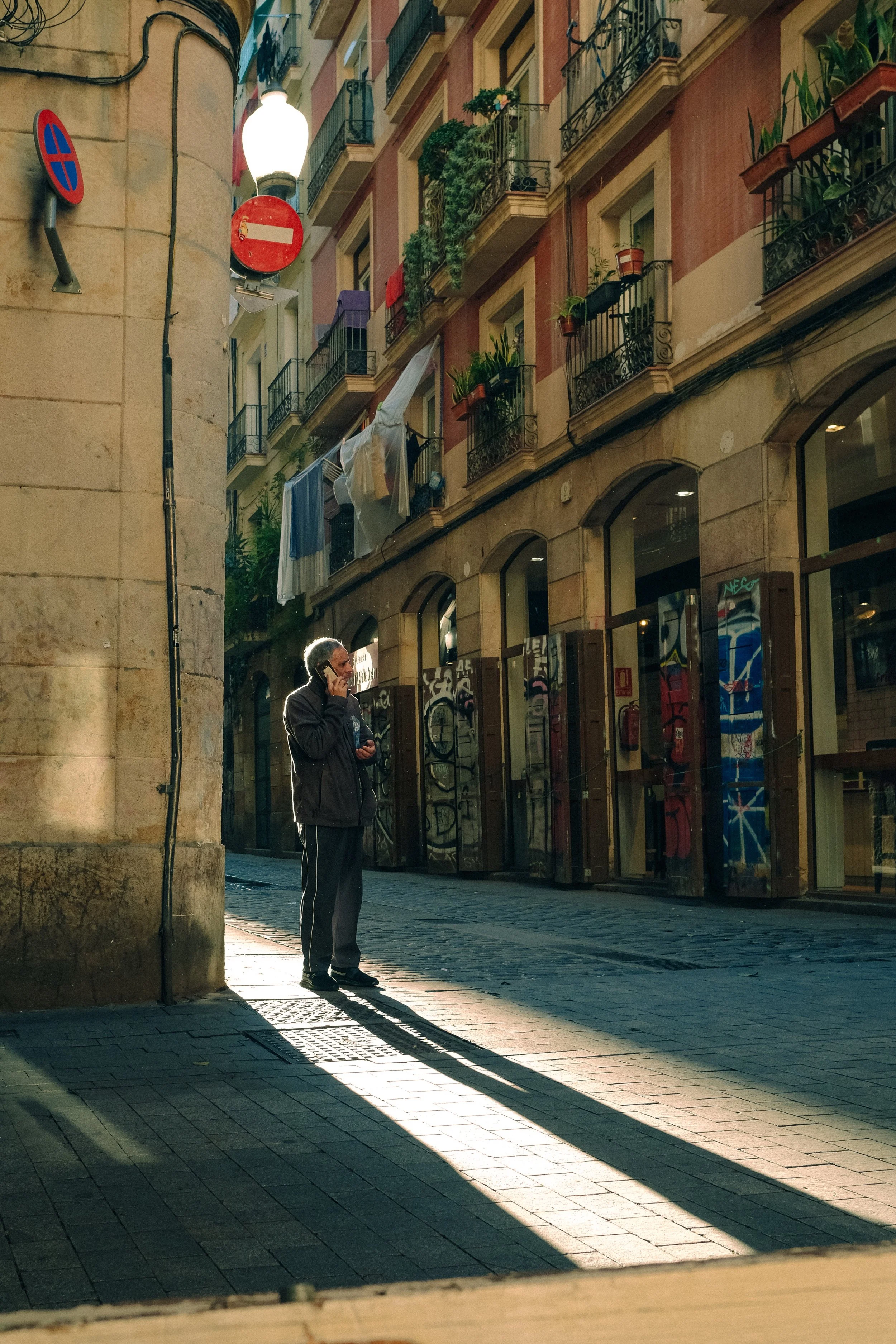
Barcelona is the kind of city that doesn’t rush to impress you; instead, it lets you come to it. From the moment I arrived, it felt intuitive and easy to navigate, clearly a city made for walking or slipping effortlessly onto public transit. Metro lines stitch neighborhoods together, but it’s on foot that Barcelona truly reveals itself, block by block, and more importantly to a tired traveler, café by café.
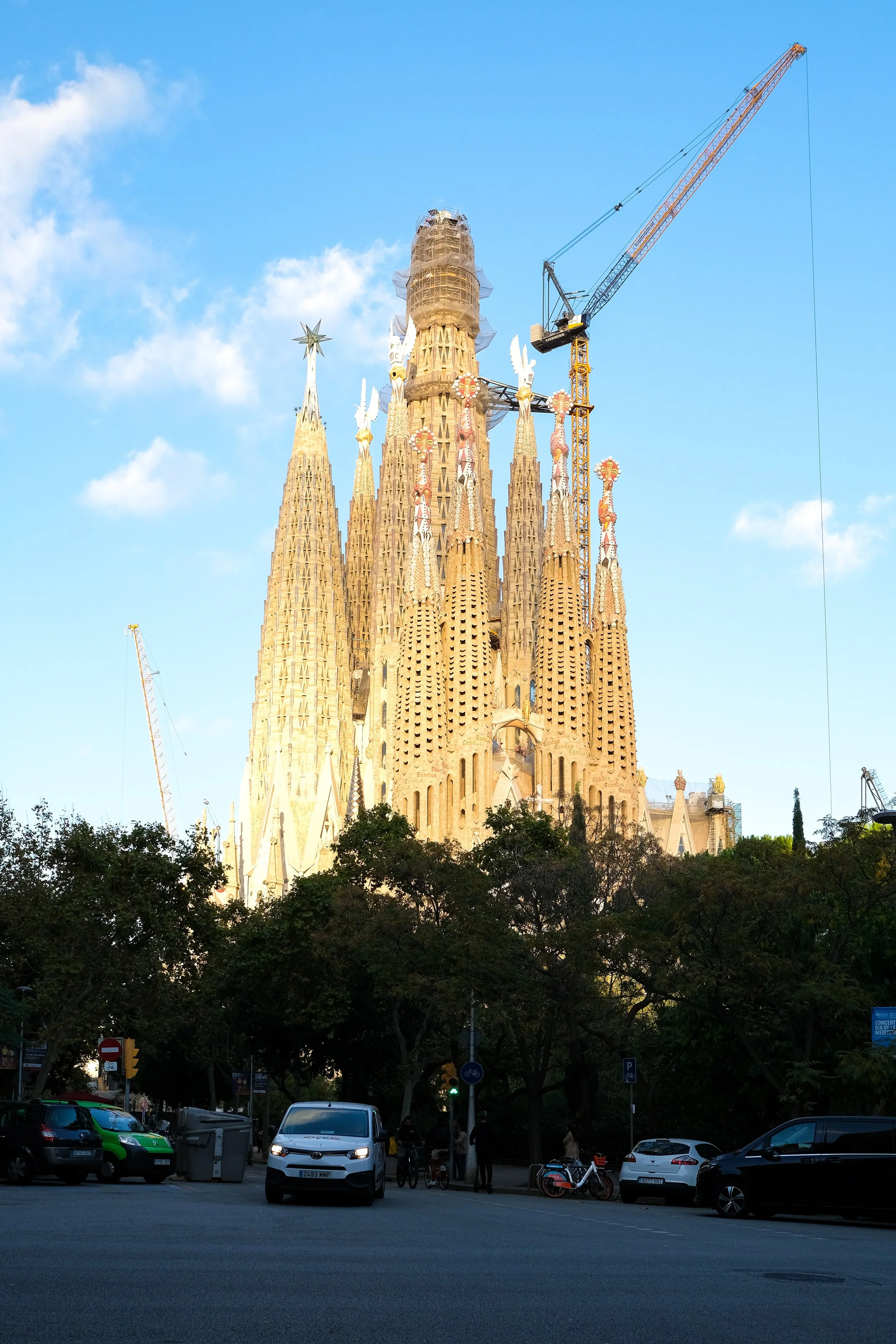
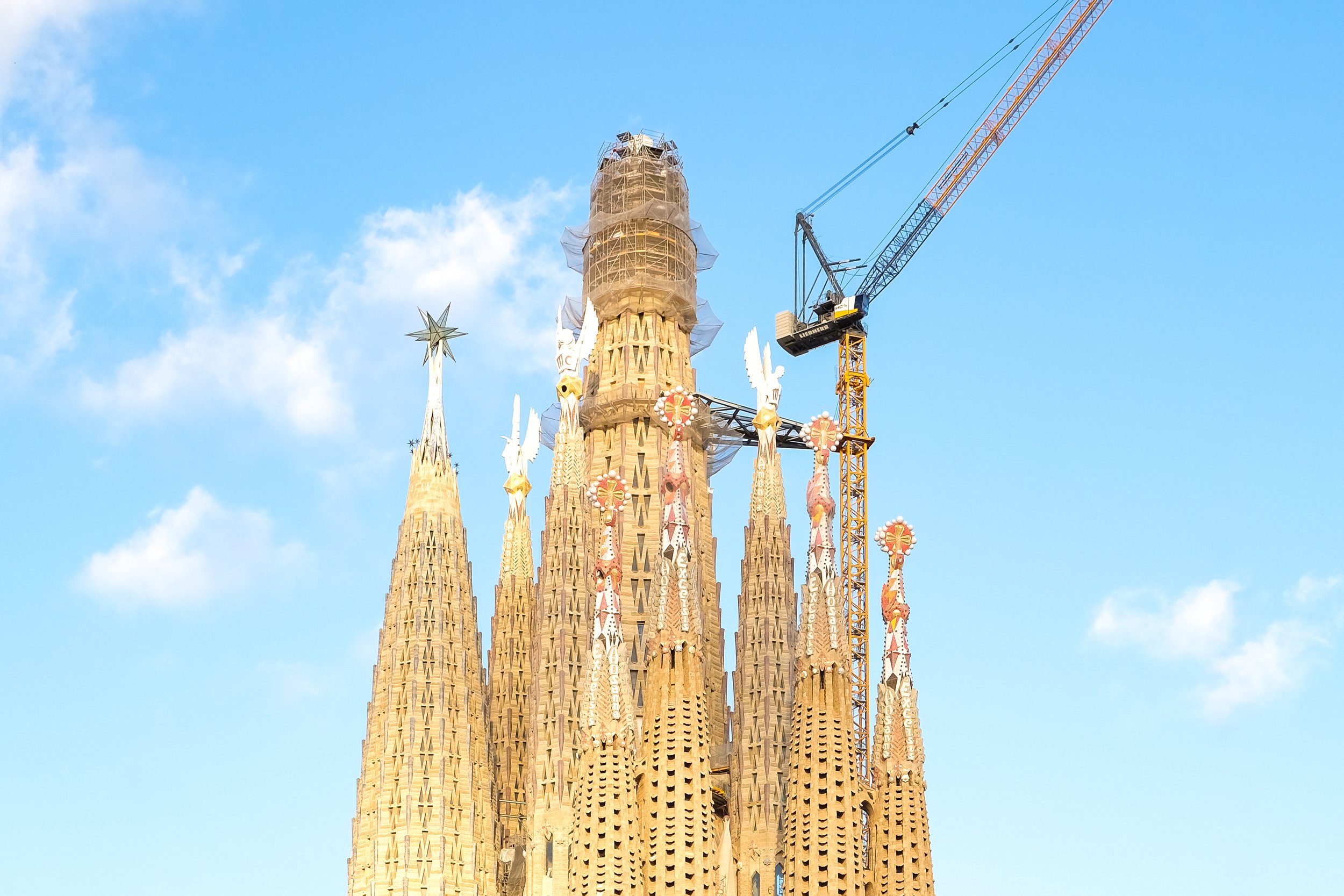
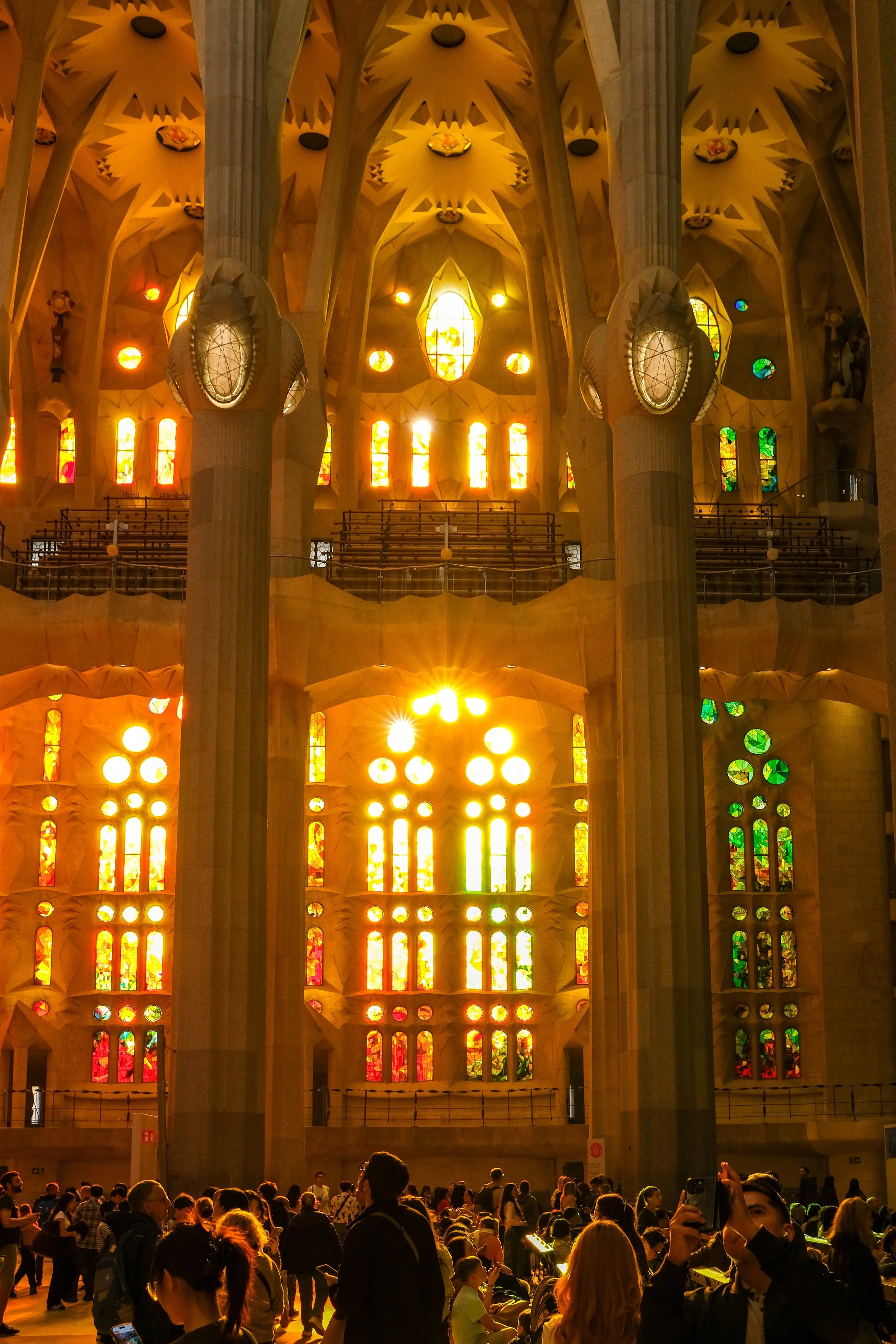
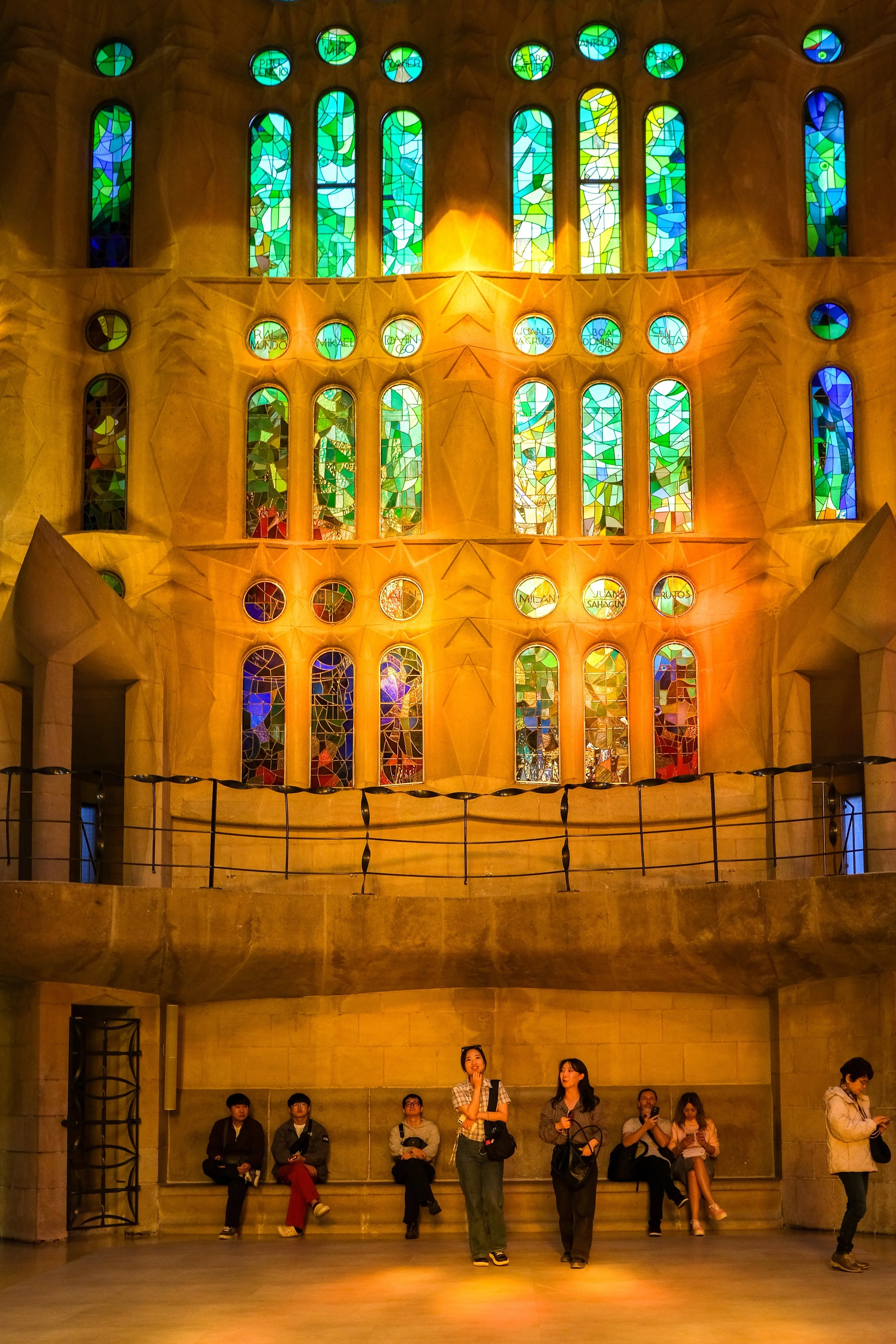
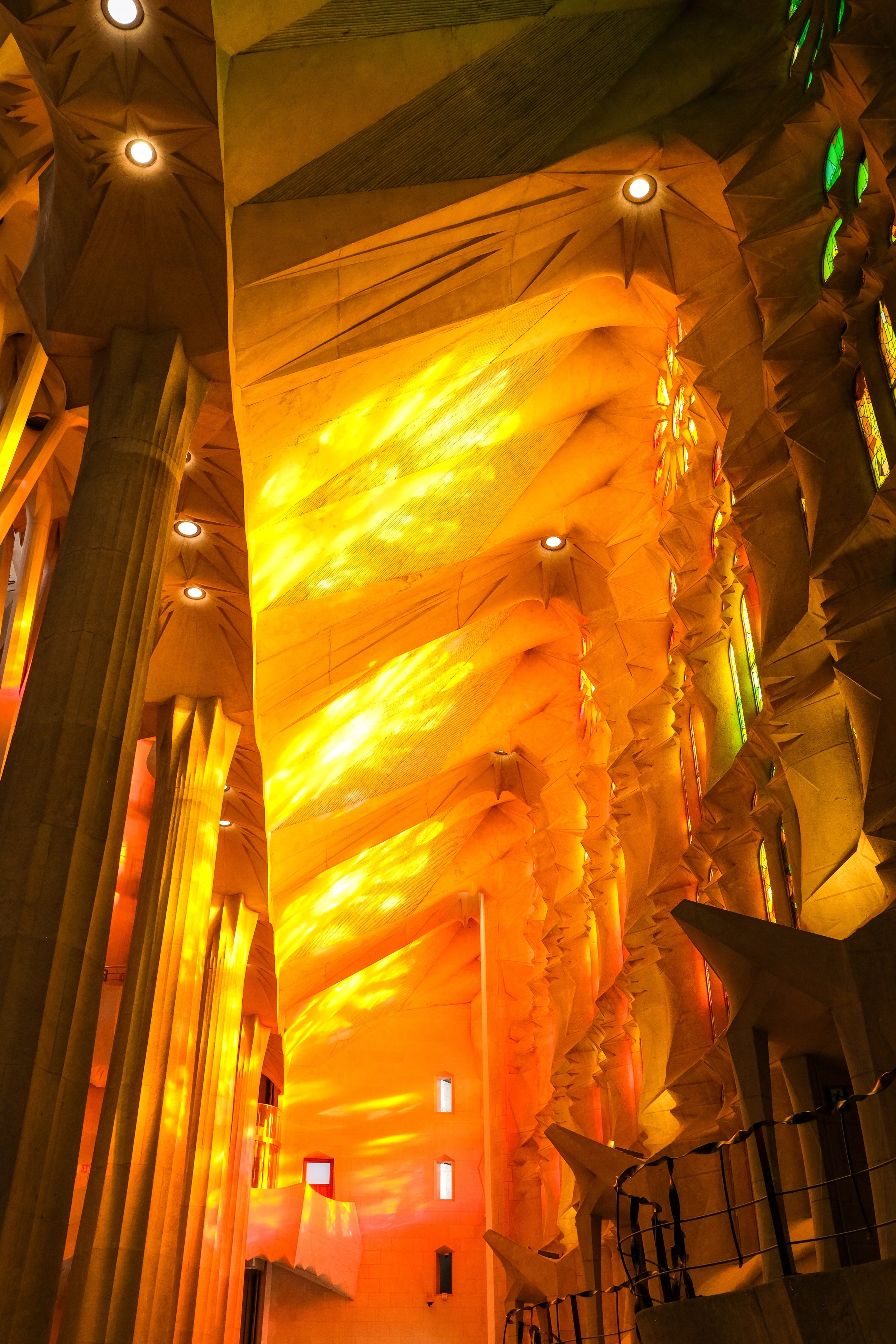
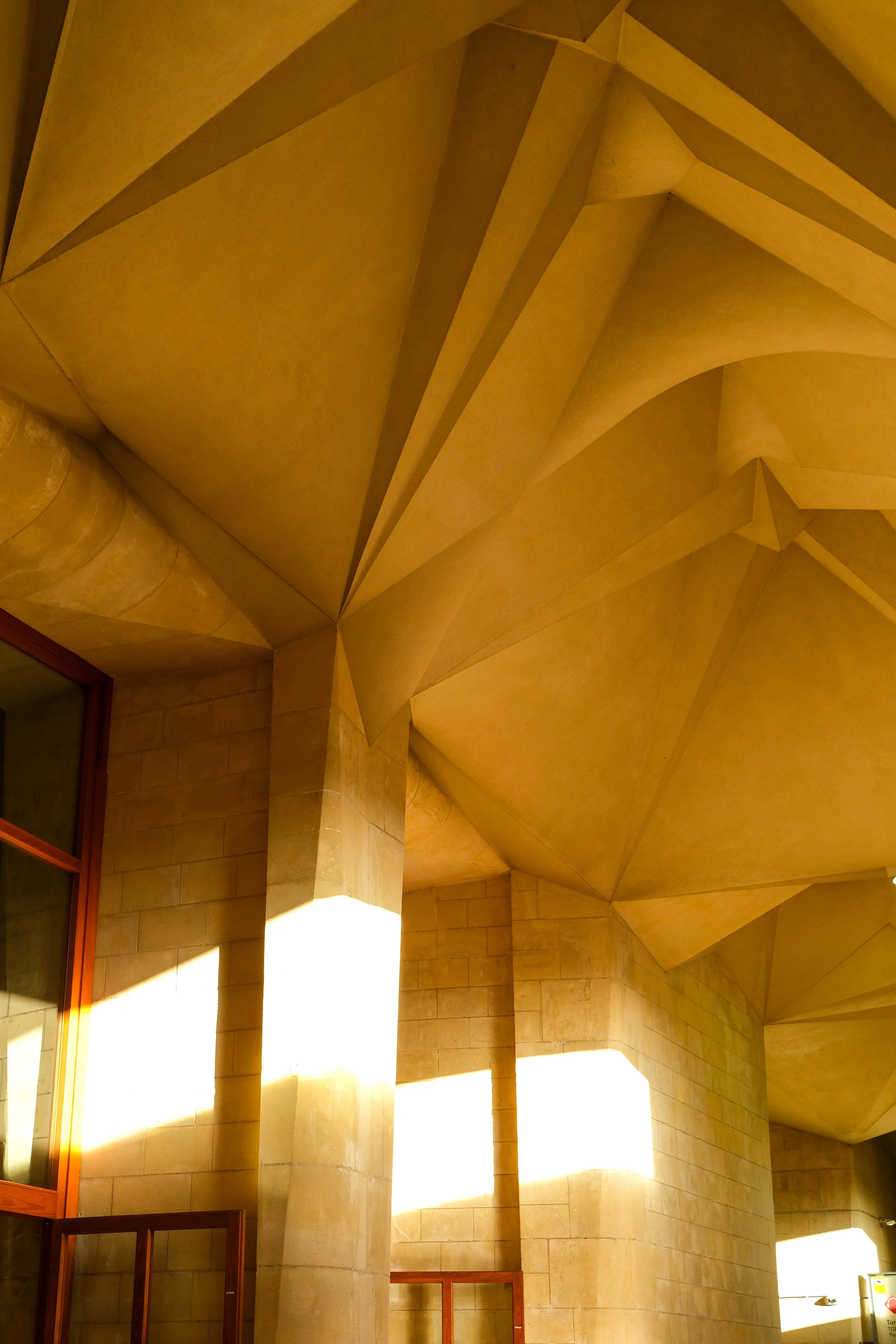
My first long walk took me through the Eixample, where wide boulevards and generous intersections give the city room to breathe. Then, suddenly, the Sagrada Família appeared, rising from the grid like a living organism. It’s a building that’s hard to capture in words, especially from the outside. Its towers twist skyward, ornate and strange, more sculpture than basilica. What struck me most wasn’t just its ambition, but how naturally it exists within daily life. Locals passed by with groceries and coffee cups, barely glancing up. In Barcelona, even the most astonishing landmarks feel grounded, woven into the everyday.
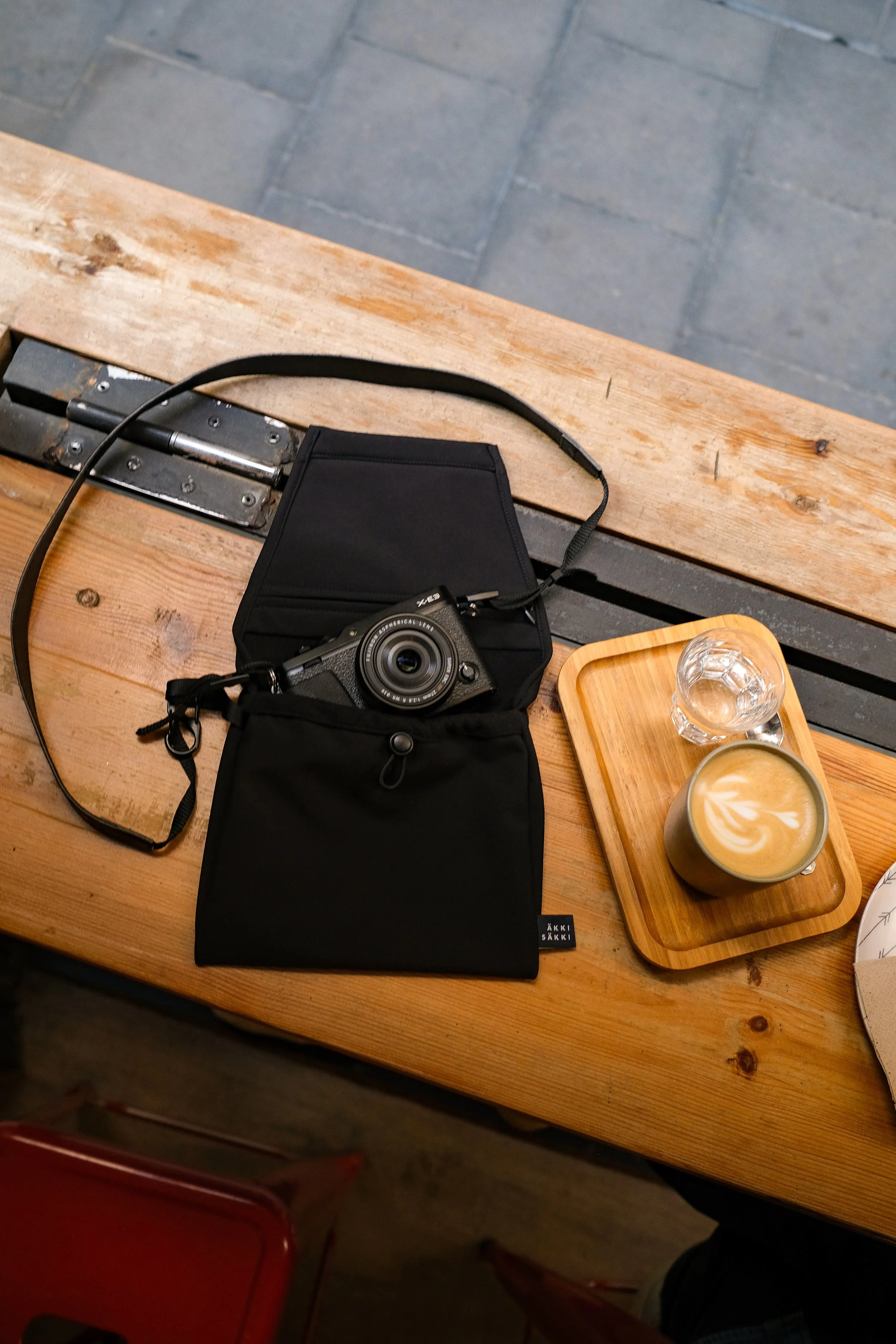
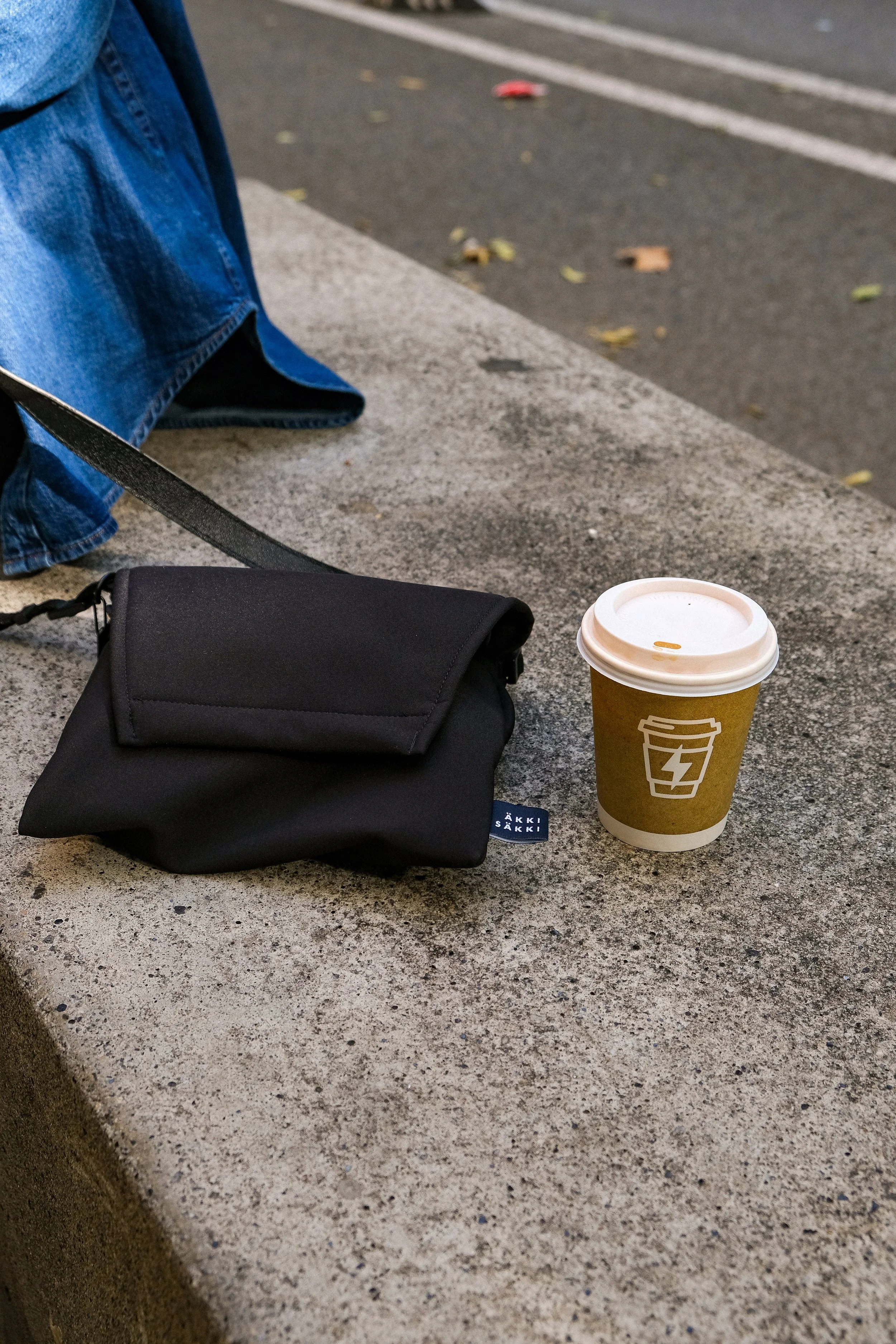
After the sensory overload of the Sagrada Família, especially its stained glass windows, I needed to pause. Luckily, Barcelona’s coffee scene is a pleasure in itself: thoughtful, delicious, and refreshing. Whether tucked away on a quiet side street or buzzing with conversation, cafés serve expertly made cortados, silky flat whites, and carefully brewed filter coffee. No one hovers, and no one rushes you along. Coffee here feels like an invitation to slow down, to sit, and to watch the city move at its own pace.
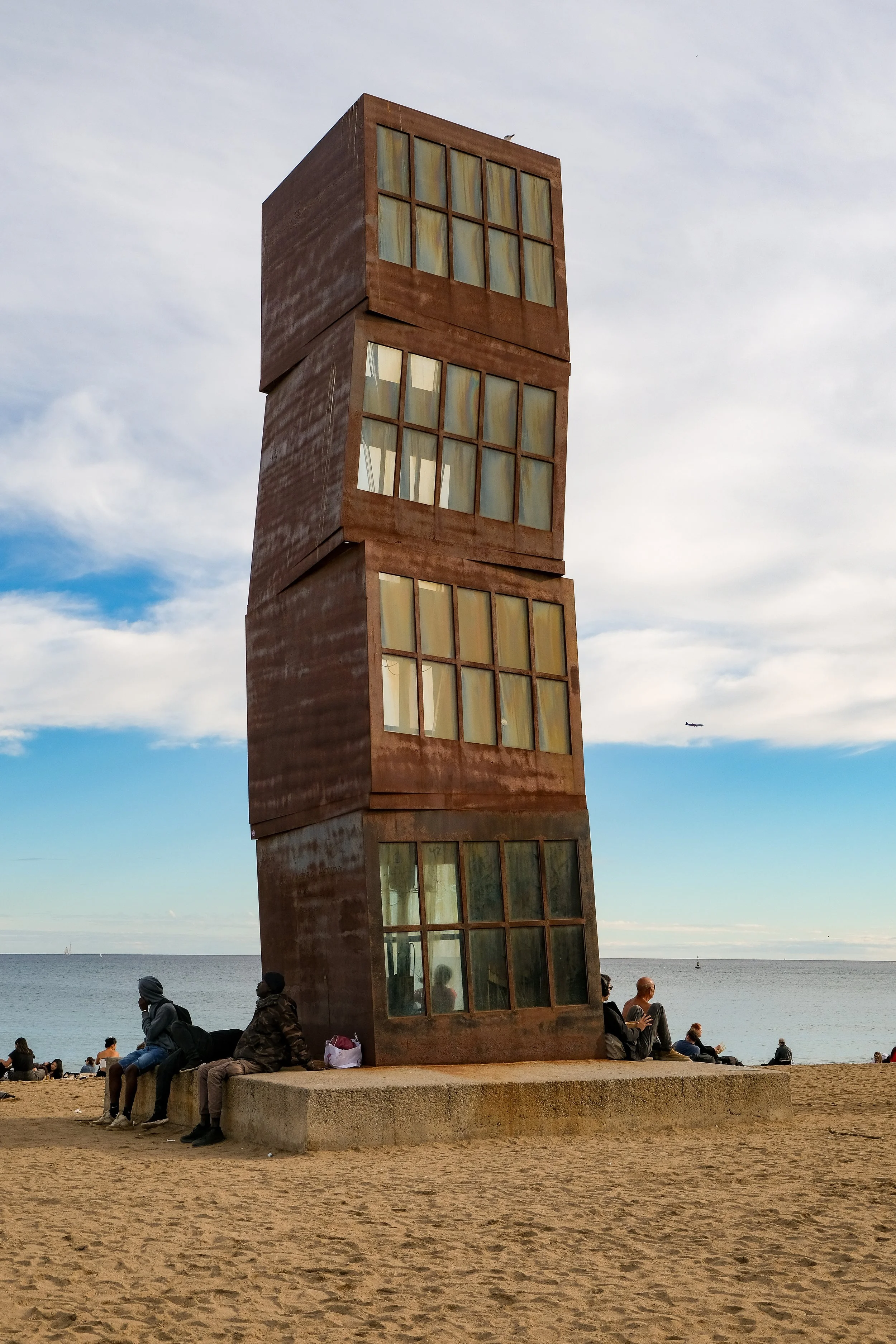
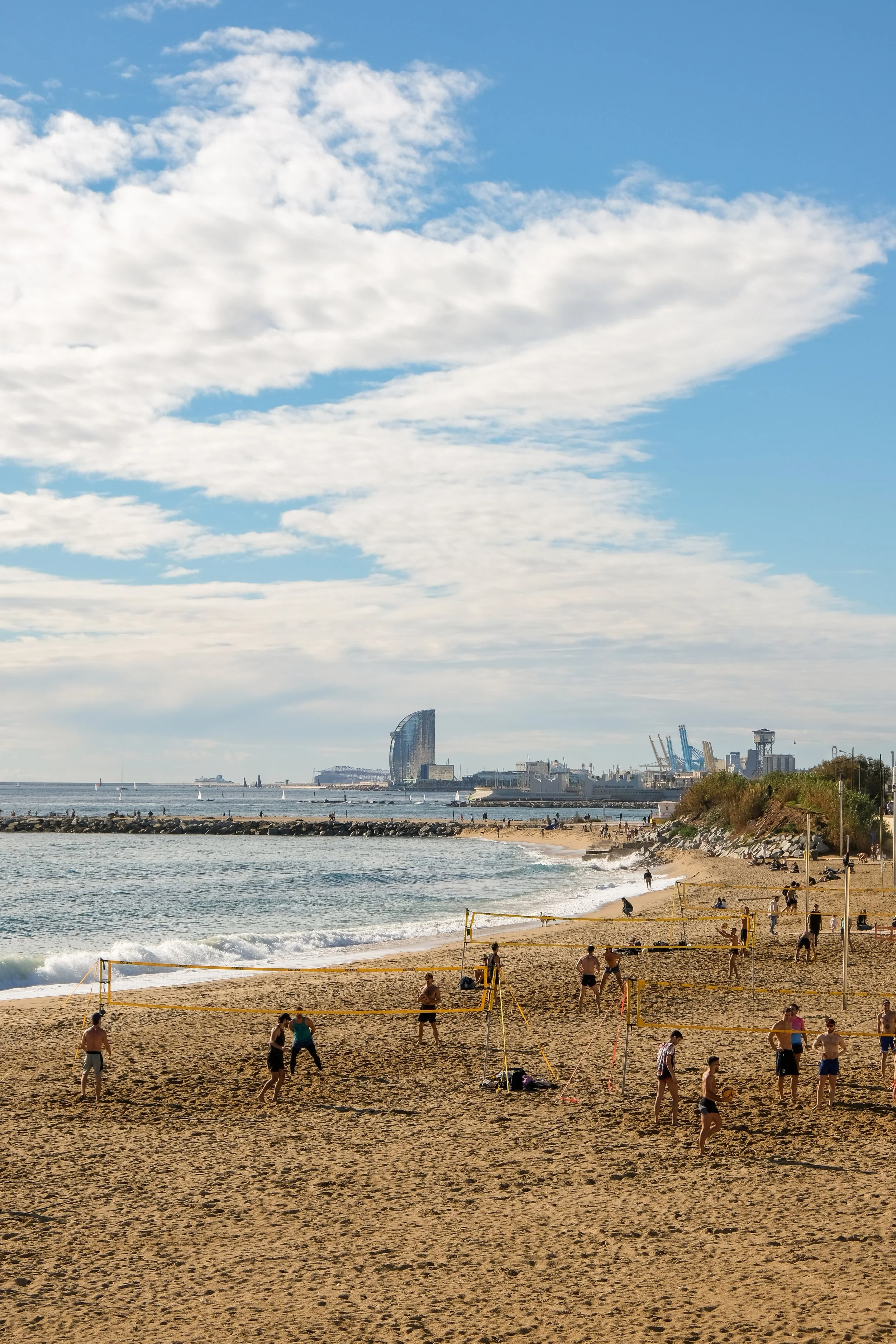
Walking south and east, the architecture tightens and history presses closer in the Gothic Quarter, where narrow lanes twist toward unexpected squares. Then, just as easily, the city opens up again to the sea. In my opinion, one of Barcelona’s greatest luxuries is its beaches: broad, sunlit, and fully part of urban life. The Mediterranean glimmers just minutes from medieval streets. Joggers trace the shoreline, friends sprawl on towels, and swimmers drift in calm water. The beaches are beautiful not because they are pristine, but because they are alive. Closer to the main beaches, the atmosphere becomes more touristy, so I found it easier to relax on the fringes of the popular areas.
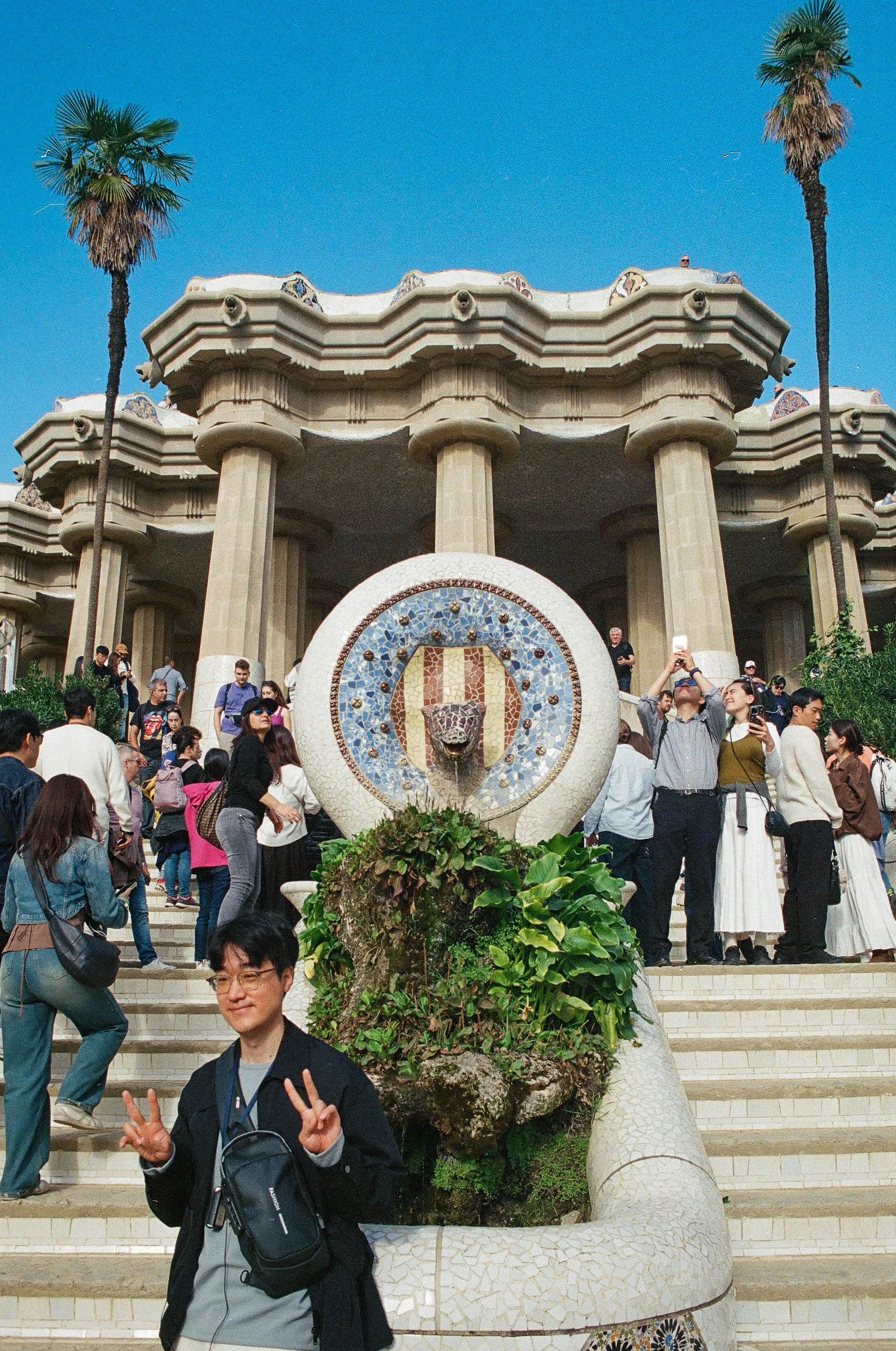
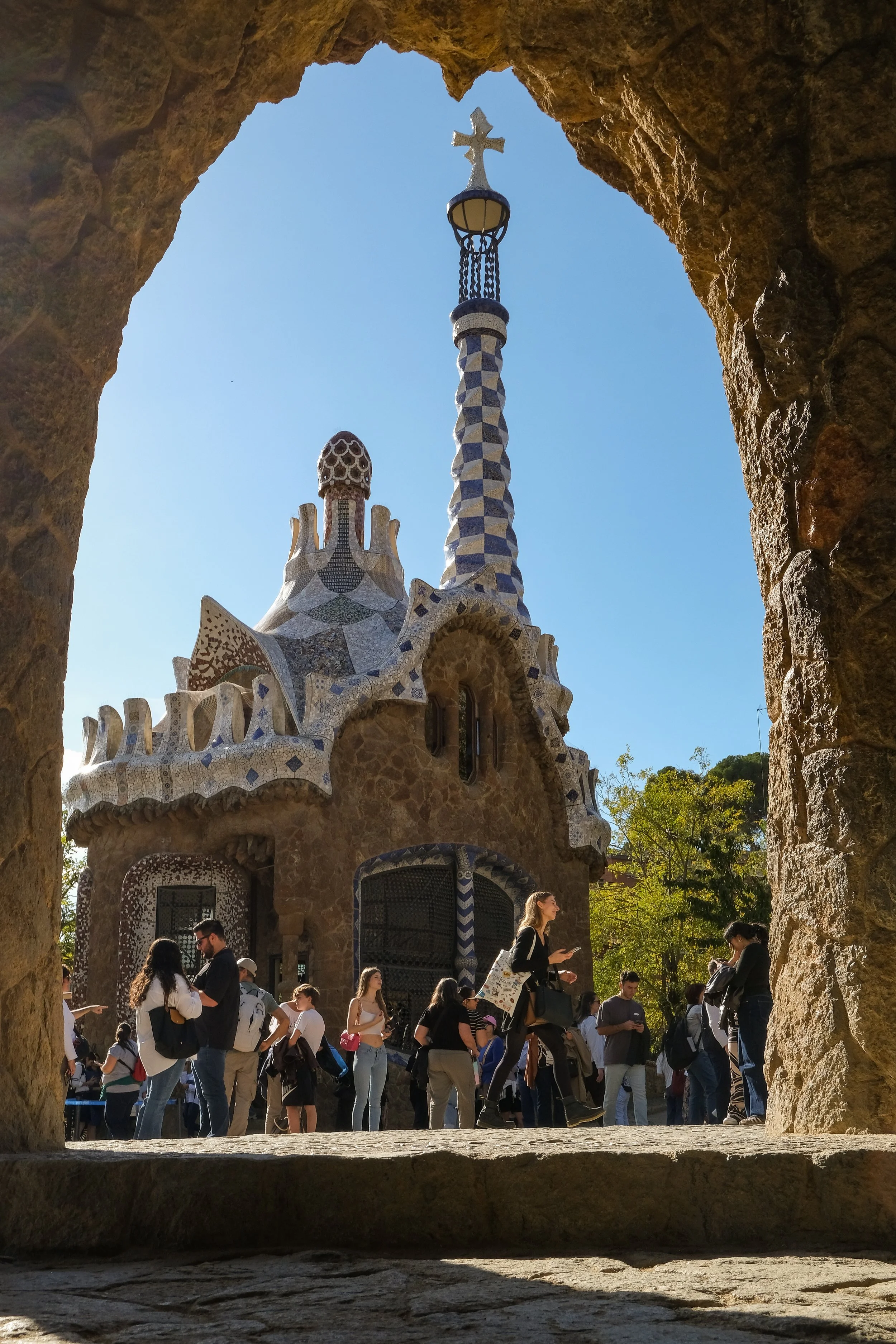
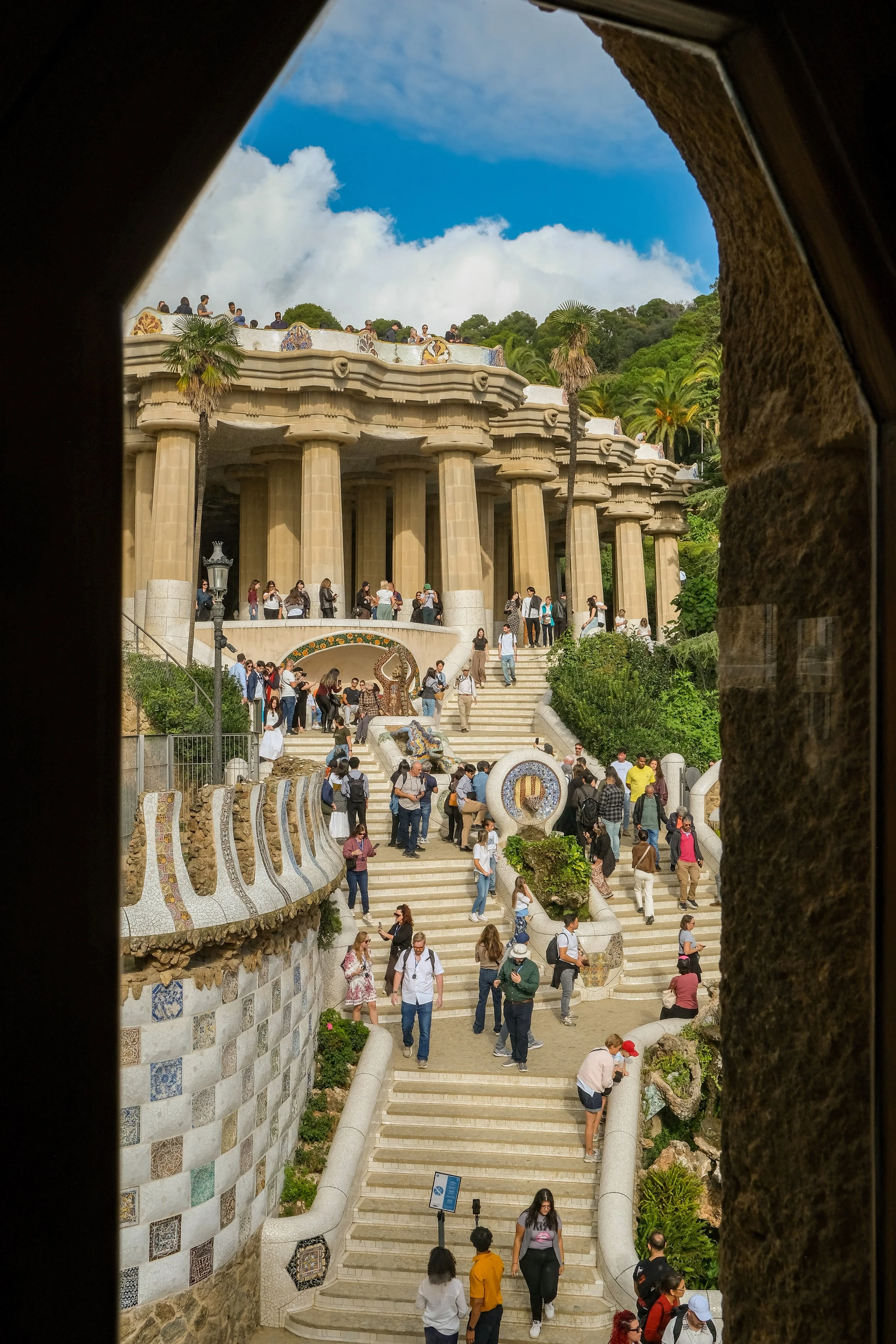
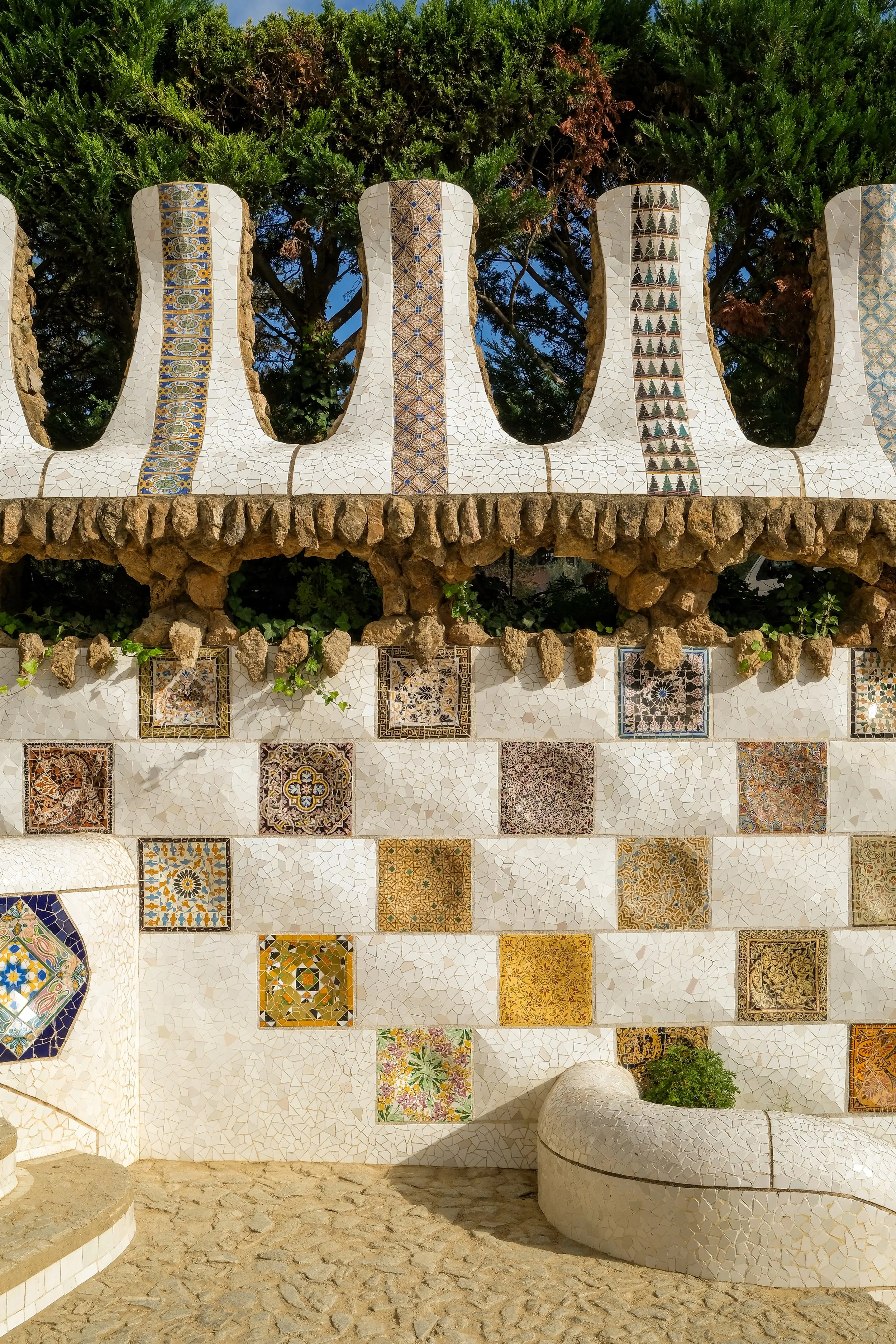
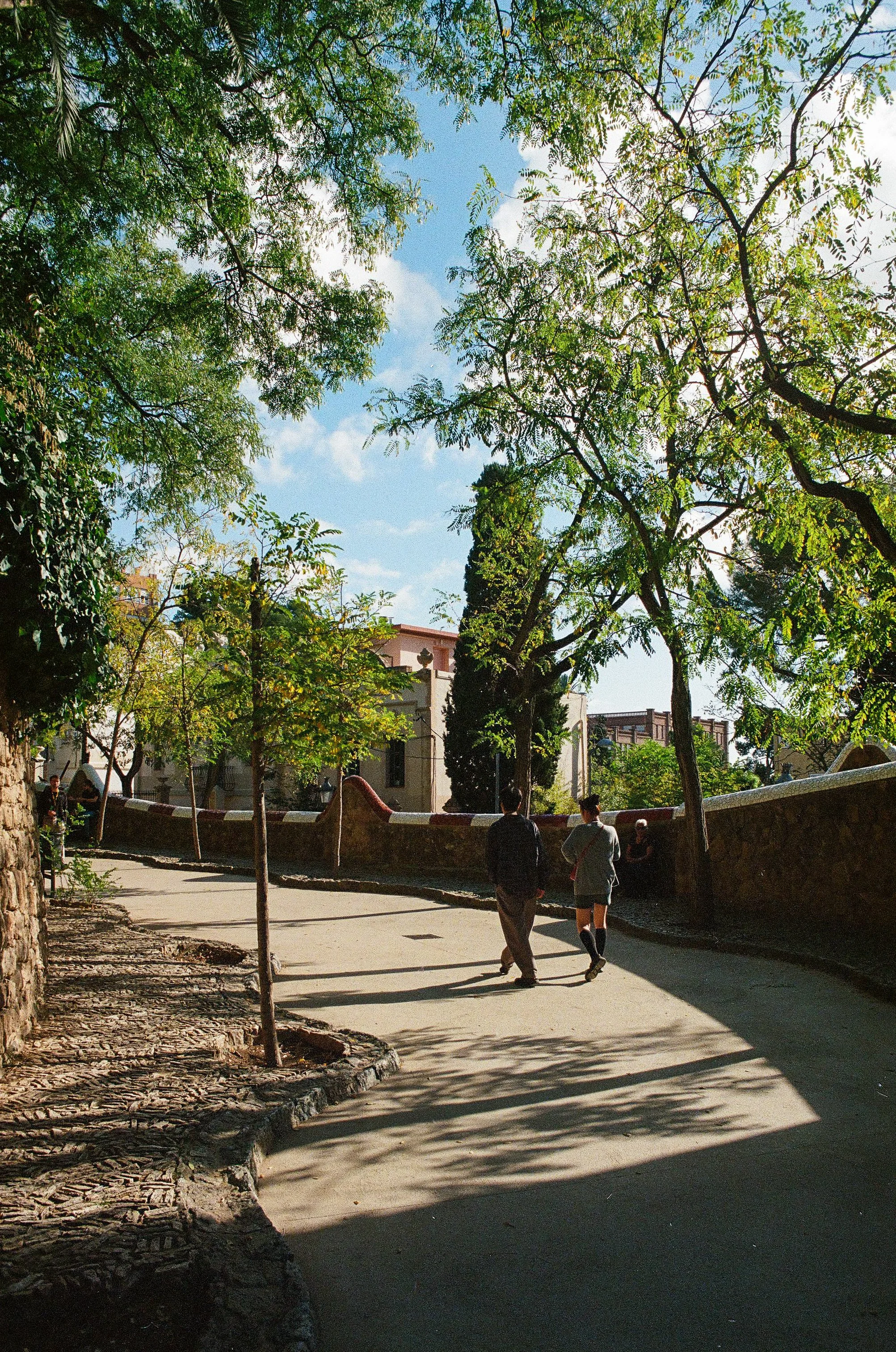
Another day’s walk took me uphill toward Parc Güell, trading the coast for greenery and sweeping views. The journey itself was half the pleasure, winding through residential neighborhoods where laundry fluttered from balconies and the city felt unmistakably local. Parc Güell is playful and the surreal mosaic benches curve like waves, colors shimmer in the sun, and from the terrace the entire city stretches out below, framed by sea and sky. It’s a place that encourages you to linger.
I arrived not knowing what to expect. After walking more than 20 kilometers a day through the city, I left remembering the walks, the coffee, and the sense of ease that followed me everywhere. Even the airport felt surprisingly convenient to get to and from. Barcelona is a city that feels like no other and one that stays with you long after you’ve stopped walking.
To see more from James, you can find his website here.